Nurota Mountains
Nuratau range, Jizzakh and Navoiy regions — home of our guesthouse
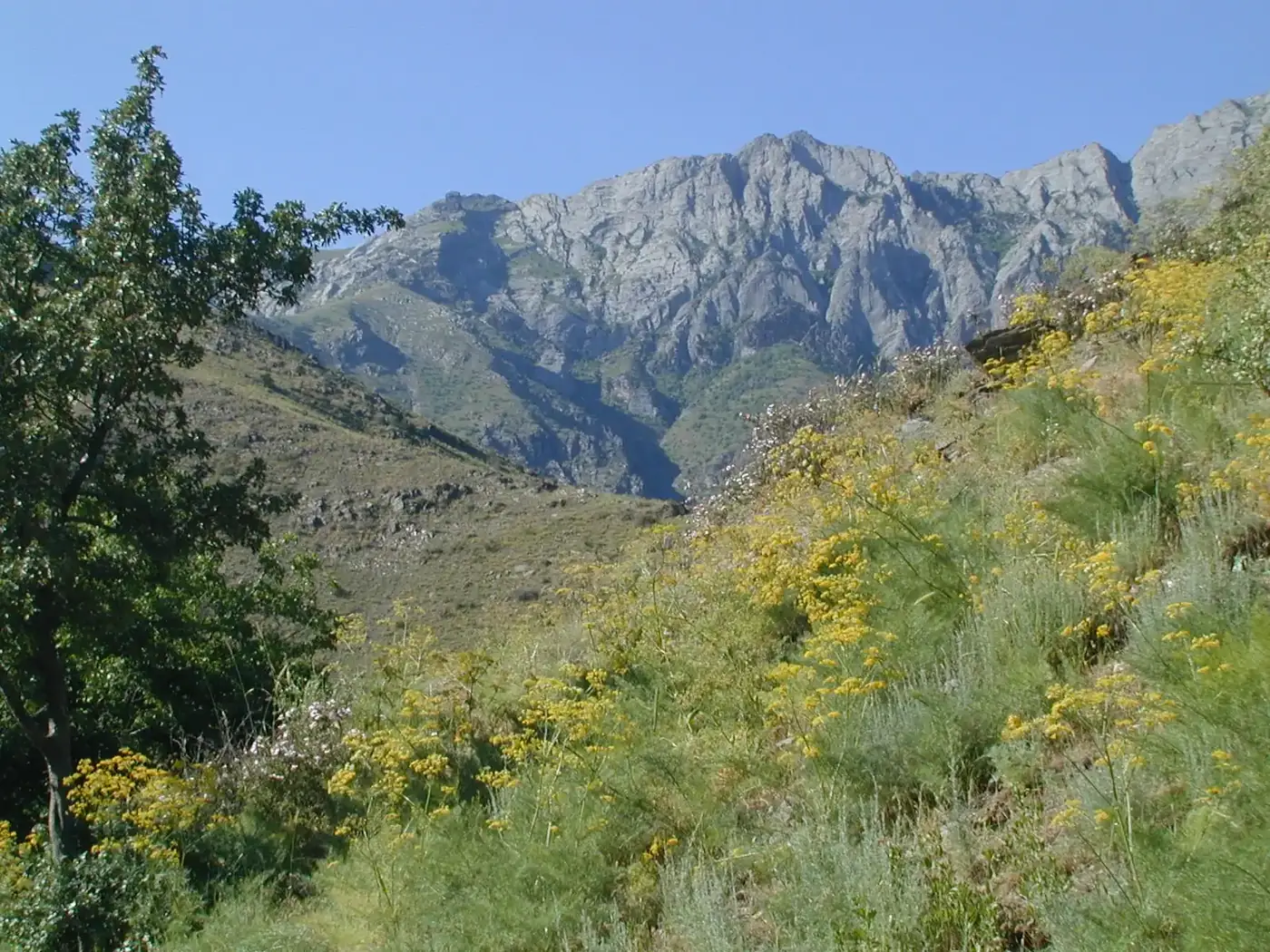
Our home landscape: mountain villages, Severtsov's argali and the shores of Aydarkul Lake.
The Nuratau range rises between the Kyzylkum Desert and the steppe around Aydarkul Lake. Its northern slopes hide green valleys, mountain streams and traditional villages such as Uxum, where the NATURE TRIP TOUR guesthouse welcomes guests.
The heart of the range is protected by the Nurata State Nature Reserve, created to save Severtsov's argali, a wild sheep found only in this part of Uzbekistan. From one base you can explore mountains, villages, the desert and Aydarkul Lake — the area covered by our existing tours.
0 ha
Nurata State Nature Reserve
530–2,169 m
Elevation range of the reserve
1,700–2,130
Severtsov's argali in 2026 counts (official reports differ)
0 guests
Guesthouse capacity in Uxum village
What makes it special
A wild sheep found nowhere else
Severtsov's argali fell to an estimated 60–70 animals in the 1960s–1970s. Thanks to protection in the Nurata reserve, official counts in 2026 reported between about 1,700 and 2,130 animals.
Geography & landscape
The Nuratau is an isolated mountain range in central Uzbekistan, running west to east between the Kyzylkum Desert to the north-west and the Aydar–Arnasay lakes to the north. The Nurata reserve lies in the central part of the range at about 530–2,169 m.
Streams such as the Ukhumsai flow down the northern slopes, creating green valleys where villages, orchards and walnut groves grow. Below the mountains the land opens into steppe and desert, with the large Aydarkul Lake to the north.
Reserve areas are not the size of the whole Nuratau range.
Landscape features
Nuratau ridge
Rocky ridges and slopes rising to over 2,000 m.
Northern valleys
Mountain streams, villages, orchards and walnut groves.
Aydarkul Lake and the Kyzylkum
A large lake and desert landscapes north of the range.
Protected areas
The core of the range is a state nature reserve — the strictest protection category — created mainly for Severtsov's argali.
State nature reserve (strict protection)
Nurata State Nature Reserve
- Area
- 17,752 ha ≈ 178 km²
- Established
- 1975 (some sources give 1973)
Sources also mention a protective zone of about 20,000–23,000 ha.
Protects mountain ecosystems of the central Nuratau and the globally threatened Severtsov's argali. The reserve office is in upper Hayot village, in the Uxum community.
Visitor access: Entry to the reserve itself is restricted. Village walks and nature observation take place outside the strictly protected zone, as arranged by the operator.
Wildlife
The flagship animal of the range is documented by the reserve's camera traps and official counts. Sightings are never guaranteed.
Species shown are documented in the area by official or scientific sources. Wild animals are shy and sightings are never guaranteed.
Mammal
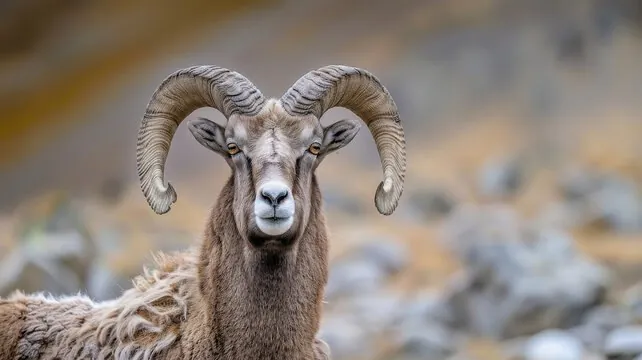
Severtsov's argali (Kyzylkum argali)
Ovis ammon severtzovi
A wild mountain sheep that survives mainly in the Nuratau. Camera traps in the reserve regularly record groups of argali.
Conservation status: Described as globally threatened; protected in the Nurata reserve
Role in the ecosystem: Its recovery shows how effective long-term protection can be.
Plants & vegetation
Water from mountain streams supports green valleys in a dry region.
Walnut groves and orchards
Village gardens and walnut trees line the valleys of the northern slopes.
Spring wildflowers
In spring the slopes are covered in flowers that bloom before the summer heat.
Photography opportunities
The Nuratau combines intimate village scenes with wide mountain and lake views.
Mountain light
Ridges and valleys at sunrise and sunset.
Village life
Traditional homes, gardens and daily life — always photograph people with permission.
Aydarkul horizons
Open lake and desert landscapes north of the range.
Spring flowers
Slopes in bloom for macro and landscape photography.
Birdwatching
Two Important Bird Areas lie close together: the Nuratau Range and the northern shore of Aydarkul Lake.
- Mountain and foothill birds around the villages and valleys.
- Water birds along the Aydarkul shore, especially in migration seasons.
- Bring binoculars; your guide can suggest quiet observation spots.
Experiences
Outdoor experiences
Mountain walks and hiking
Walks along valleys and ridges, as in our existing Nuratau tours.
Outdoor experiences
Desert and yurt camp
Kyzylkum Desert experiences offered in our existing tours.
Wildlife & nature observation
Wildlife and nature observation
Including visits to the wild sheep enclosure that is part of our existing tours.
Photography
Landscape and village photography
Mountain light, village life and Aydarkul horizons.
Culture
Village hospitality
Home-cooked meals and life in Uxum and neighbouring villages.
All activities depend on season, access and the operator's confirmation.
Gallery
Did you know?
- BirdLife International lists both the Nuratau Range and the northern shore of Aydarkul Lake as Important Bird Areas.
- The Nurata reserve's argali population grew from an estimated 60–70 animals in the 1960s–1970s to thousands today.
Plan your visit
Best time to visit
Spring and autumn generally offer the most comfortable walking conditions and the best light. Summer is hot at lower elevations; winter can be cold in the mountains.
Getting there
The guesthouse is in Uxum village, Forish district, Jizzakh region, on the northern side of the Nuratau. Transfers can be discussed when you enquire; exact travel arrangements are confirmed individually.
Suggested experience
- 01Arrive at the guesthouse in Uxum and settle in.
- 02Walk the valleys and villages with a local guide.
- 03Combine with Aydarkul Lake, the Kyzylkum yurt camp or Nurata's historical sites from our existing tours.
- 04Return to the guesthouse for home-cooked meals.
Our four existing tours are the confirmed way to explore the Nuratau; other combinations are arranged on request.
Practical information
Frequently asked questions
How to visit responsibly
Severtsov's argali exists in very few places. Its recovery depends on quiet, undisturbed mountain slopes.
- Keep your distance from wild sheep and never approach them for a photo.
- Stay on paths and respect village land and orchards.
- Take all litter with you.
- Follow reserve rules and your guide's instructions.
Plan your visit
Tell us your preferred date and group size. We reply personally with available options and a personalised price.
Sources
Facts on this page come from the sources below. Figures may differ between sources and change over time.
More destinations
Back to Destinations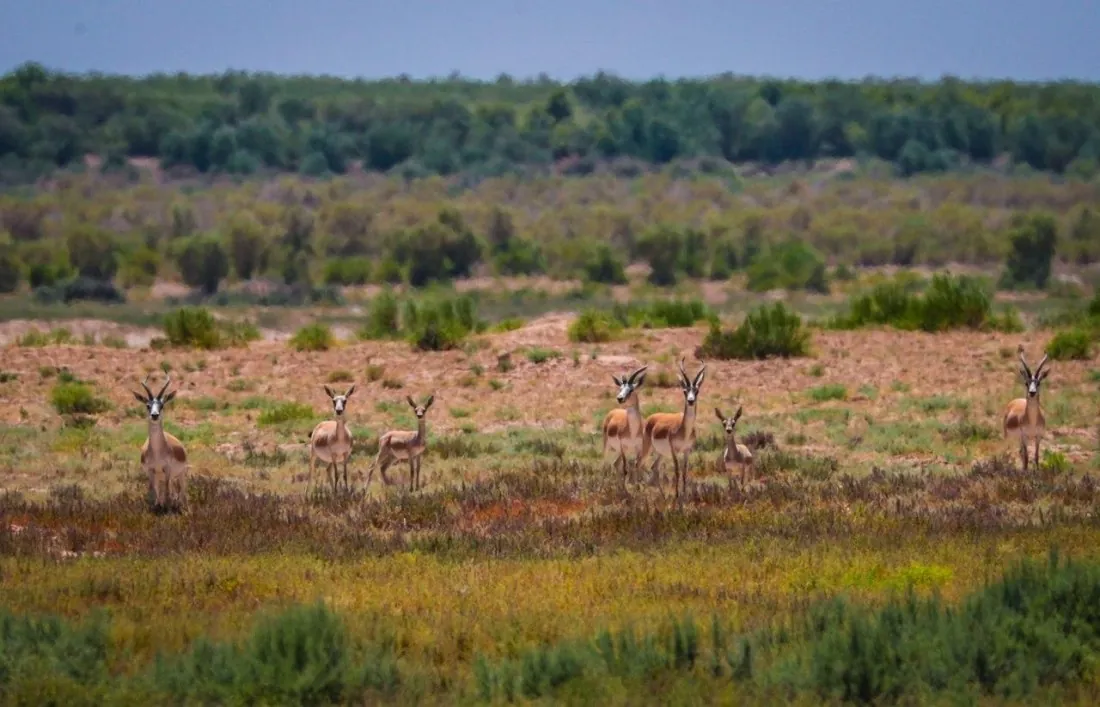 Destination
Bukhara Region
Jeyran Ecocentre
A conservation breeding centre for goitered gazelles, kulans and Przewalski's horses in the desert near Bukhara.
Discover This Destination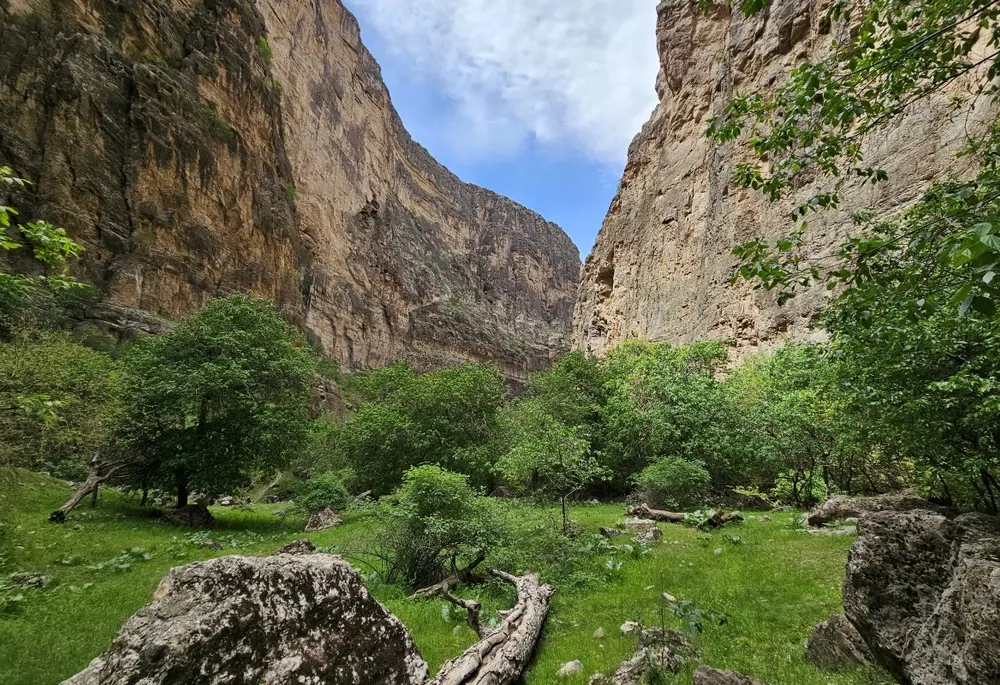 Destination
Surkhandarya Region
Sherabad & Kuhitang Mountains
Mountain wilderness, waterfalls and rare mountain wildlife in Uzbekistan's far south.
Discover This Destination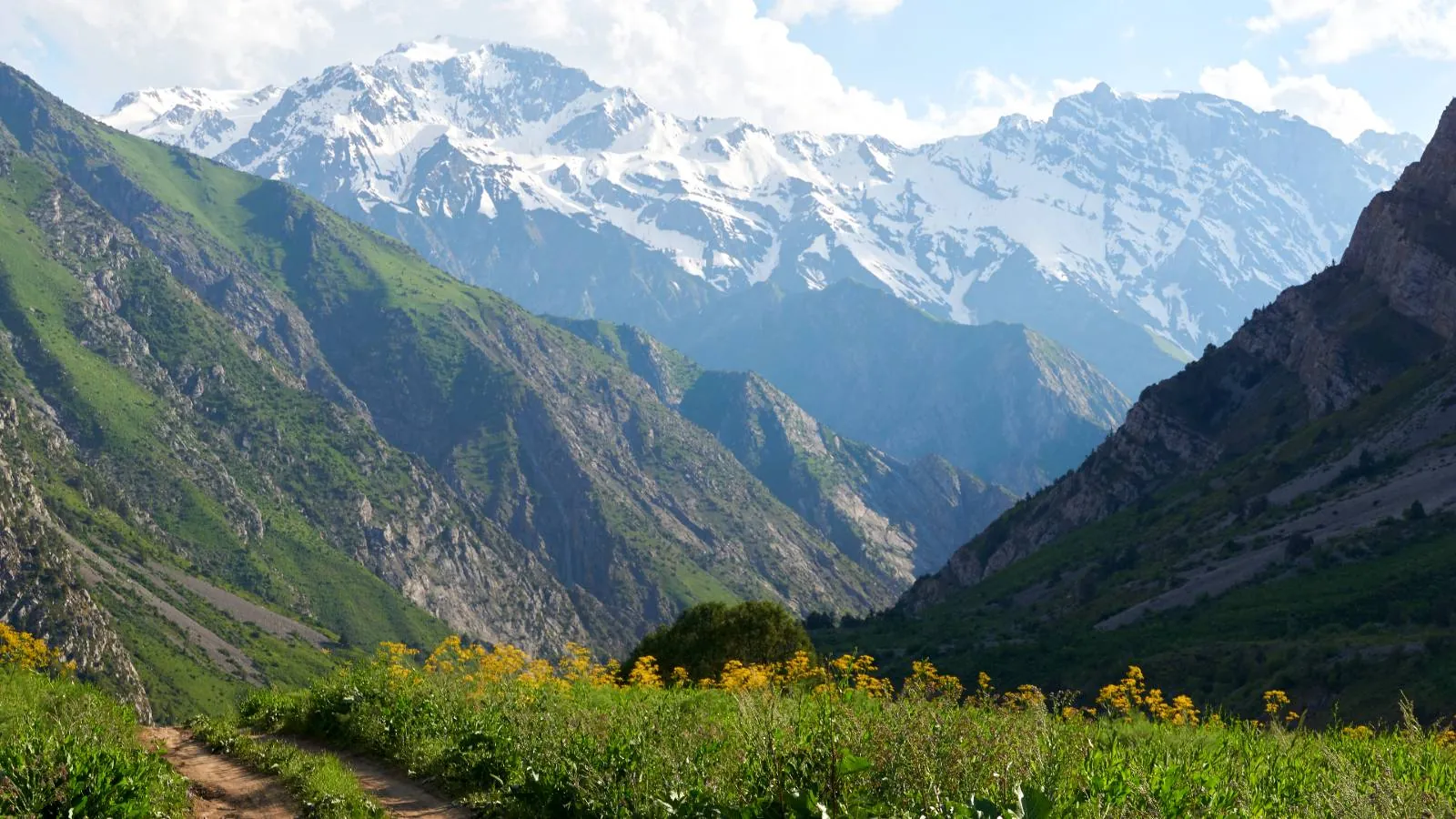 Destination
Tashkent Region
Chatkal State Biosphere Reserve
One of Uzbekistan's oldest reserves — juniper forests, alpine meadows and snow-leopard country.
Discover This Destination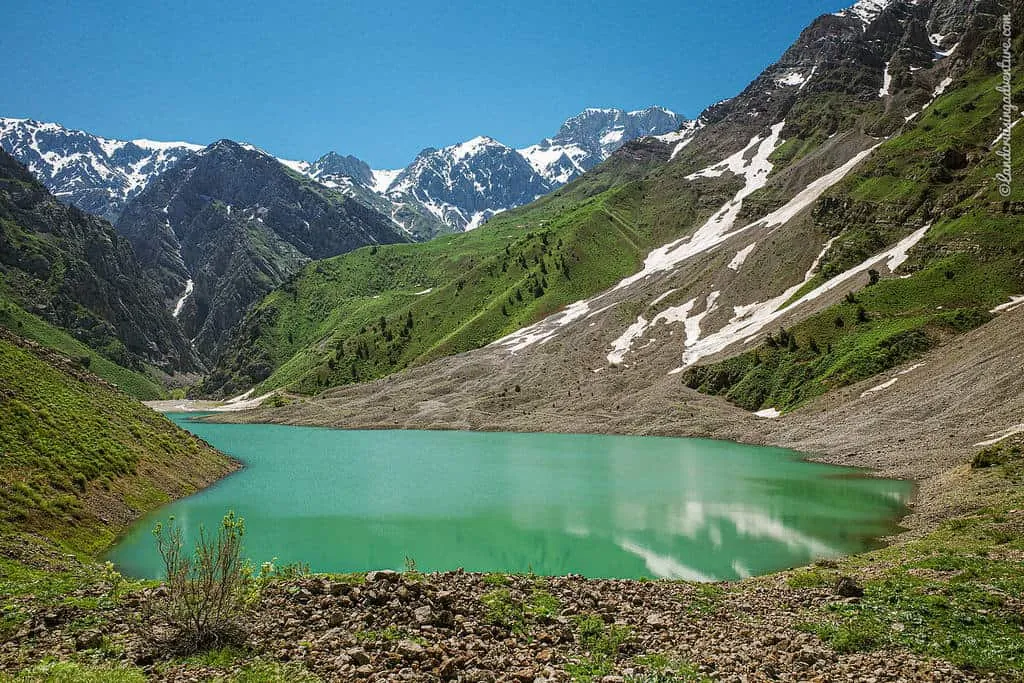 Destination
Tashkent Region
Ugam–Chatkal National Park
Uzbekistan's great mountain park: gorges, rivers, juniper slopes and alpine valleys near Tashkent.
Discover This Destination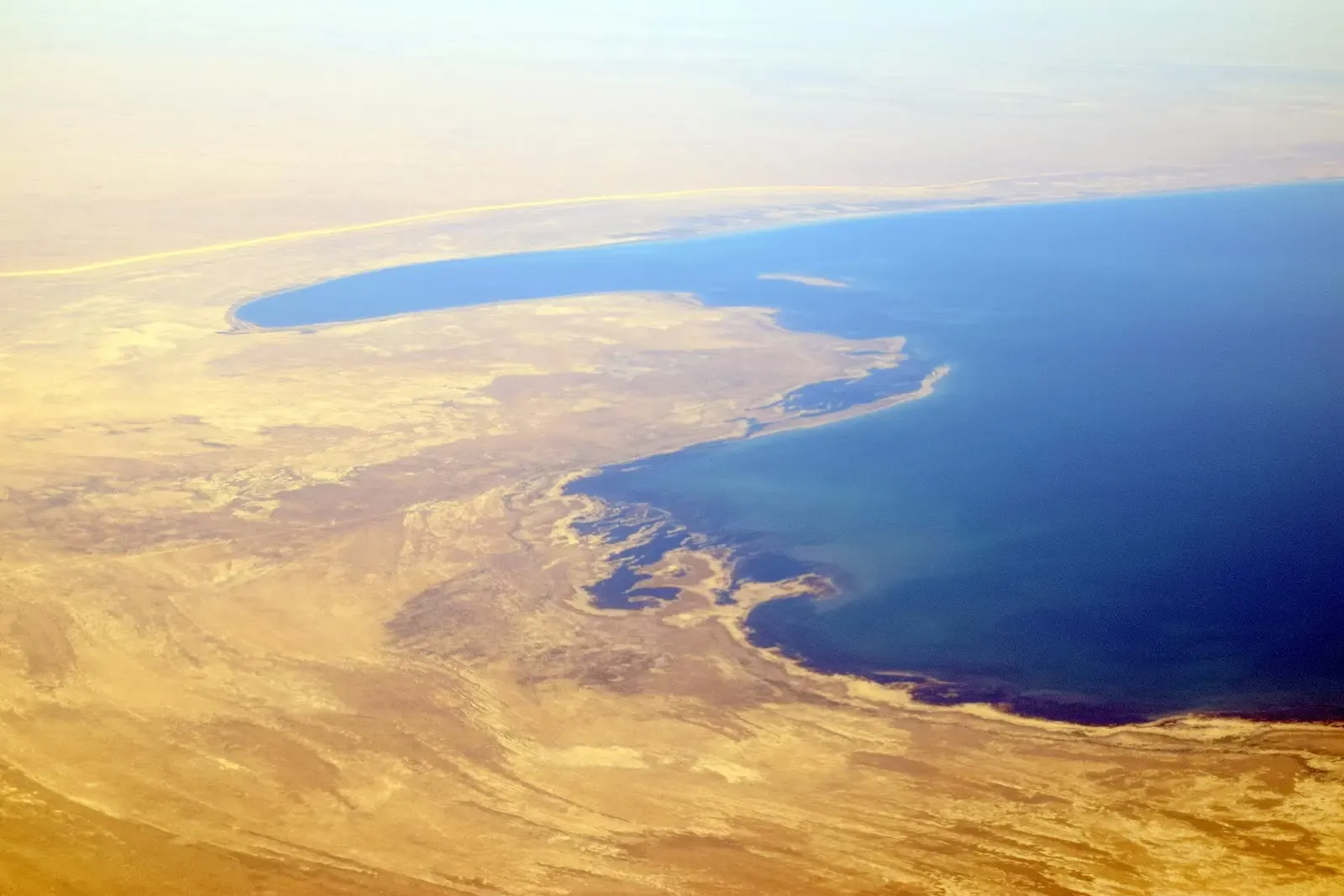 Destination
Republic of Karakalpakstan
Sarykamysh Lake
A vast lake in the desert, surrounded by cliffs and visited by tens of thousands of water birds.
Discover This Destination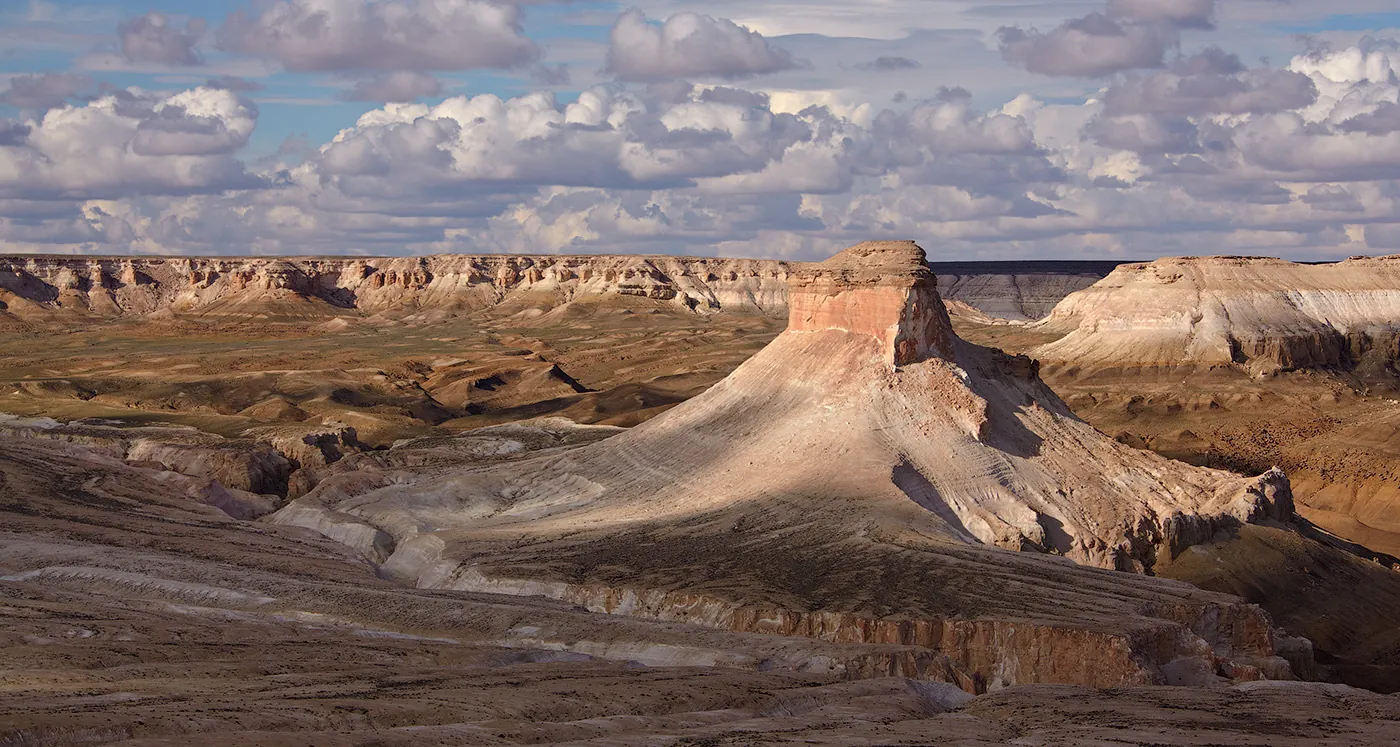 Destination
Republic of Karakalpakstan
Ustyurt Plateau & Cliffs
A remote desert plateau ending in vast cliffs — saiga, urial and expedition landscapes.
Discover This Destination