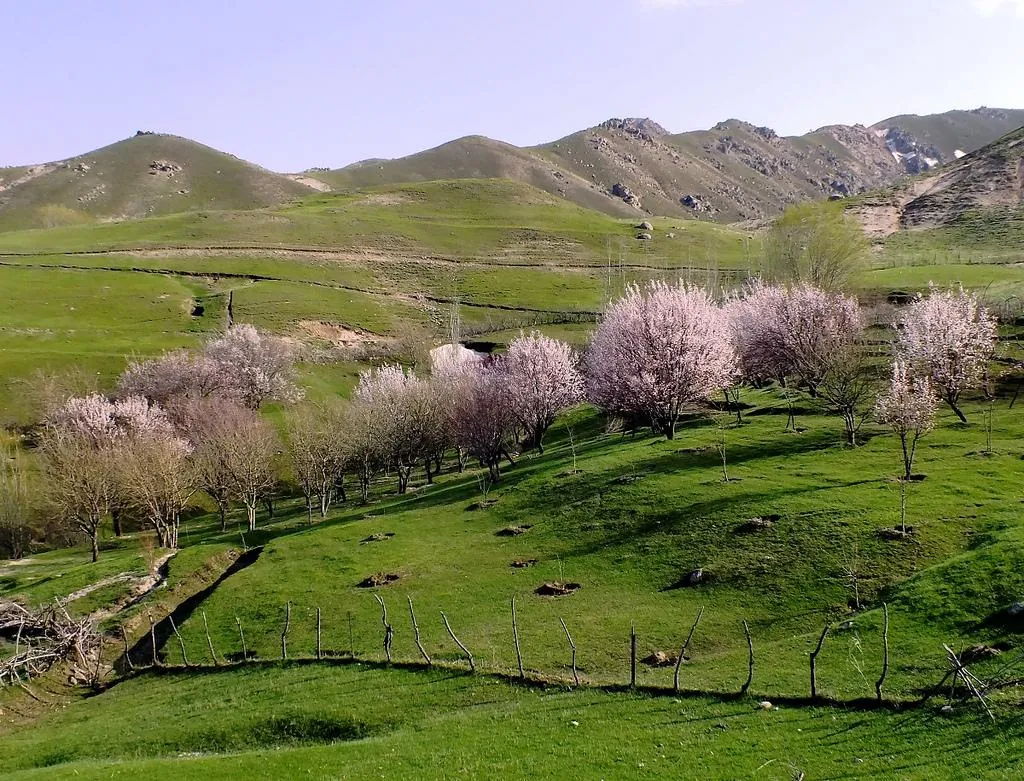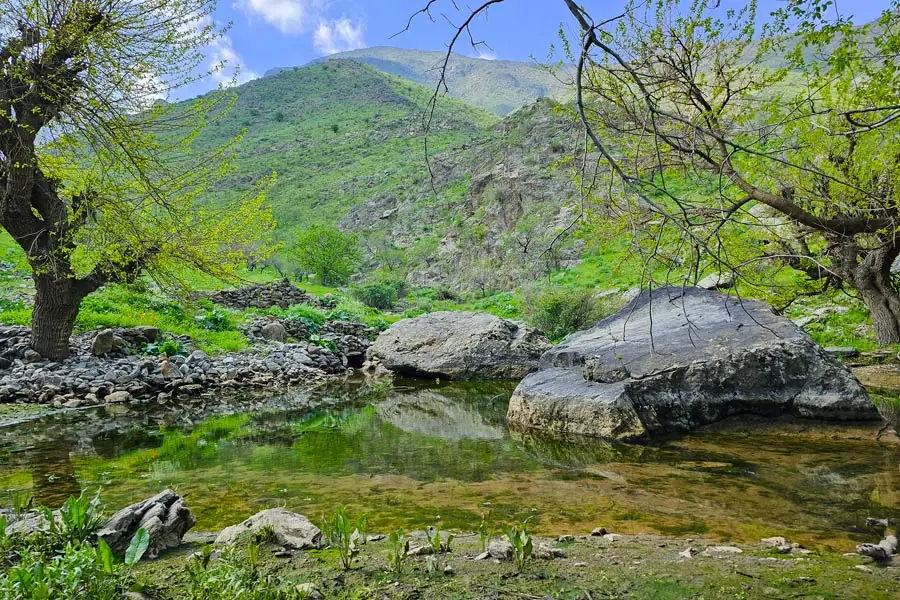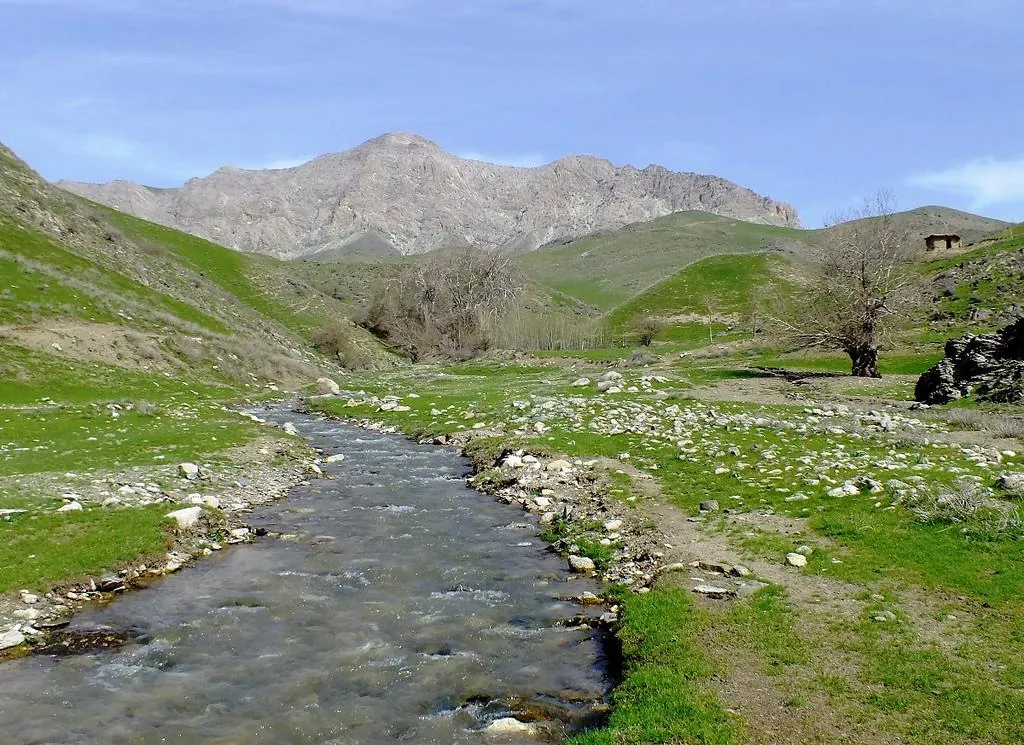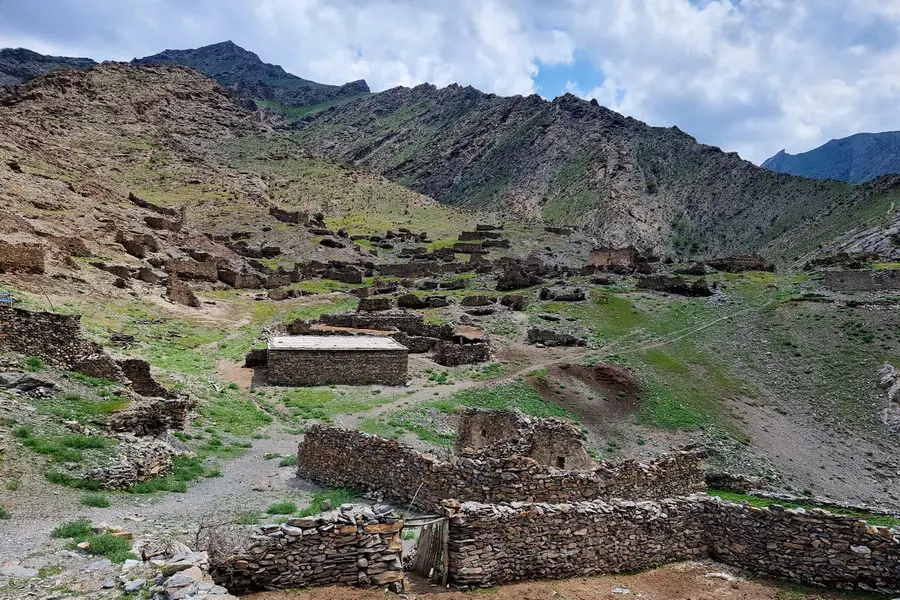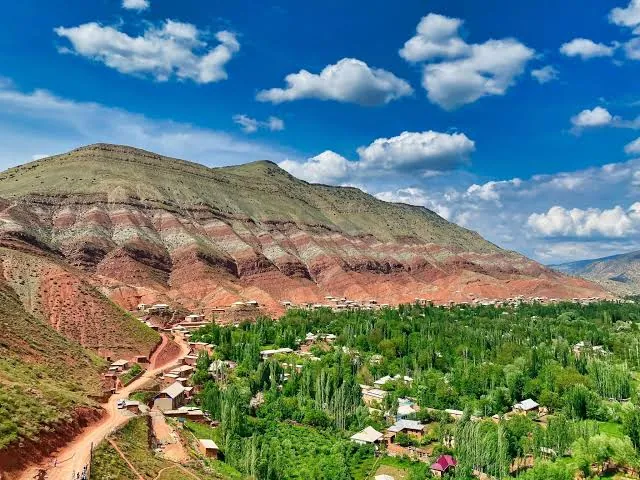
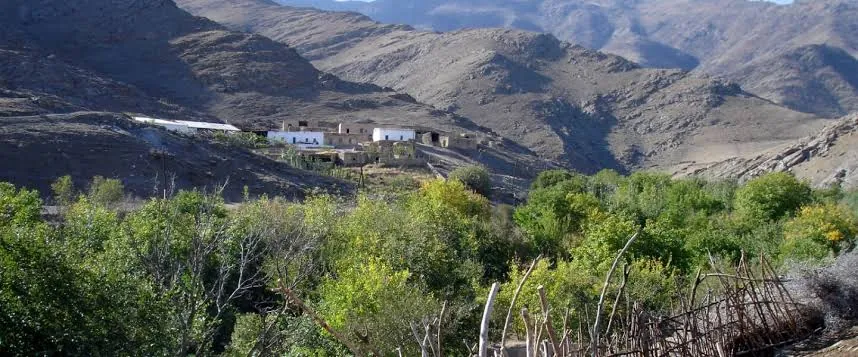
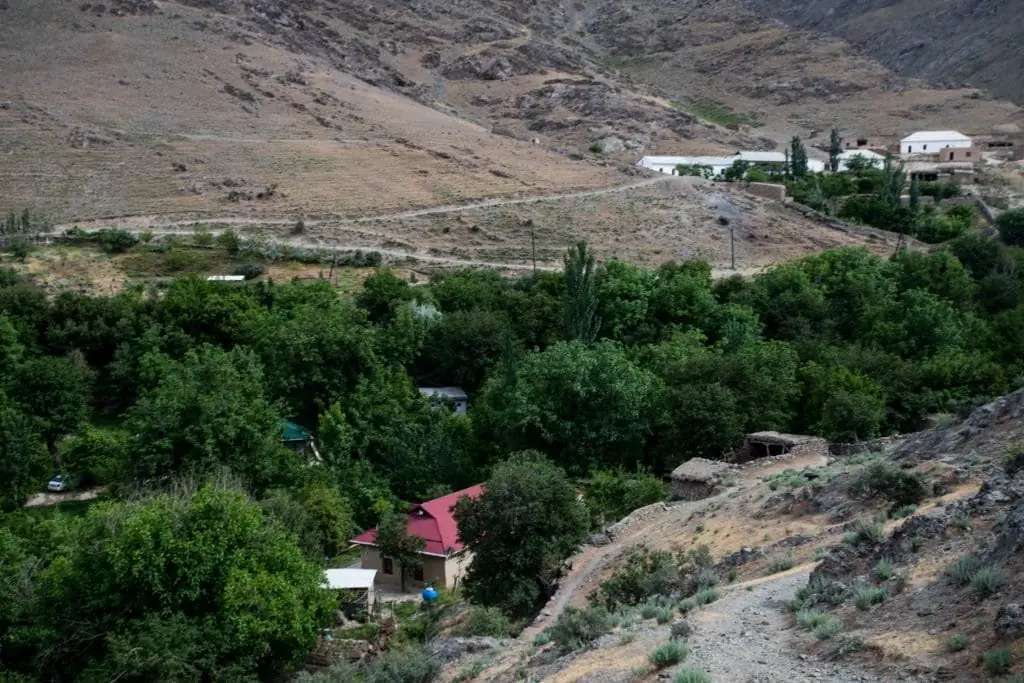
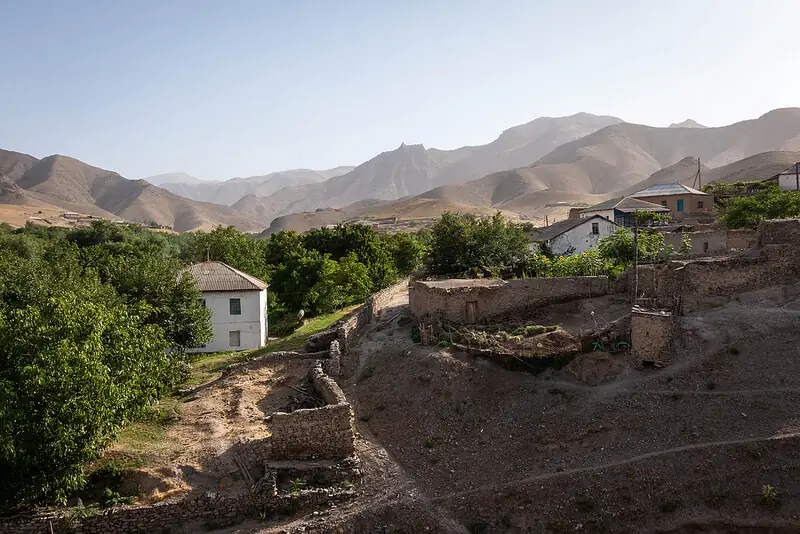
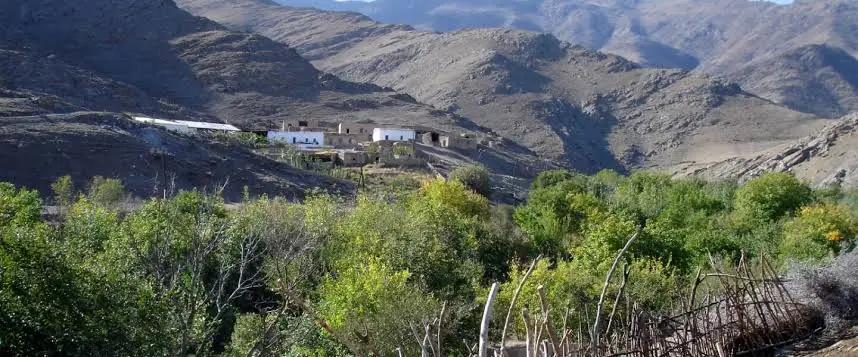
Mountain village among green orchards below rocky hills

Explore the Nuratau Region

A short guide to the places around Uxum village.

Places around our guesthouse

Six places within reach of Uxum village — swipe through the photos and choose your favourites.

Uxum & mountain villages — Photograph 1 of 5Uxum & mountain villages — Photograph 2 of 5Uxum & mountain villages — Photograph 3 of 5Uxum & mountain villages — Photograph 4 of 5Uxum & mountain villages — Photograph 5 of 5
1 / 5

Forish district, Jizzakh region

Uxum & mountain villages

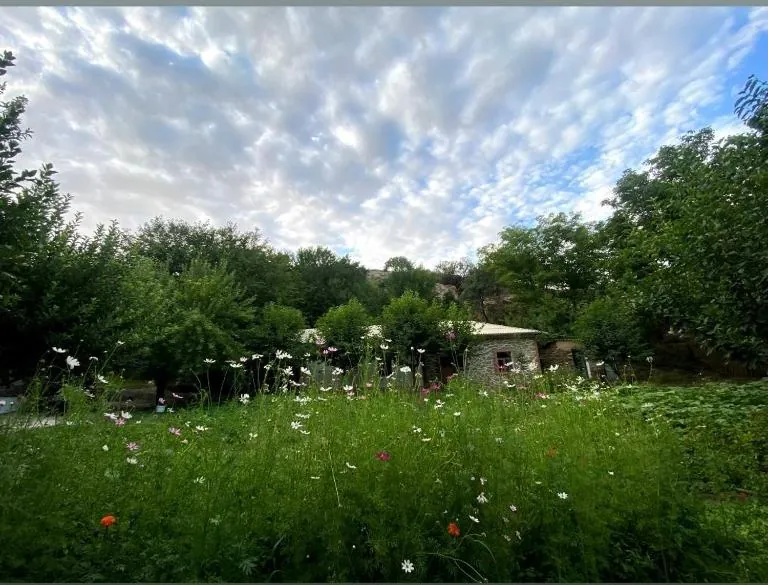
Our home village and its neighbours on the northern slopes of the Nuratau: quiet streets, orchards, walnut trees and traditional homes where guests share home-cooked meals, fresh bread and tea.

  • Village life and gardens
  • Home-cooked Uzbek meals
  • Our guesthouse base

Why visit: Rural hospitality that few travellers experience.

See the guesthouse
Nuratau Mountains — Photograph 1 of 11Nuratau Mountains — Photograph 2 of 11Nuratau Mountains — Photograph 3 of 11Nuratau Mountains — Photograph 4 of 11Nuratau Mountains — Photograph 5 of 11Nuratau Mountains — Photograph 6 of 11Nuratau Mountains — Photograph 7 of 11Nuratau Mountains — Photograph 8 of 11Nuratau Mountains — Photograph 9 of 11Nuratau Mountains — Photograph 10 of 11Nuratau Mountains — Photograph 11 of 11
1 / 11

Jizzakh & Navoiy regions

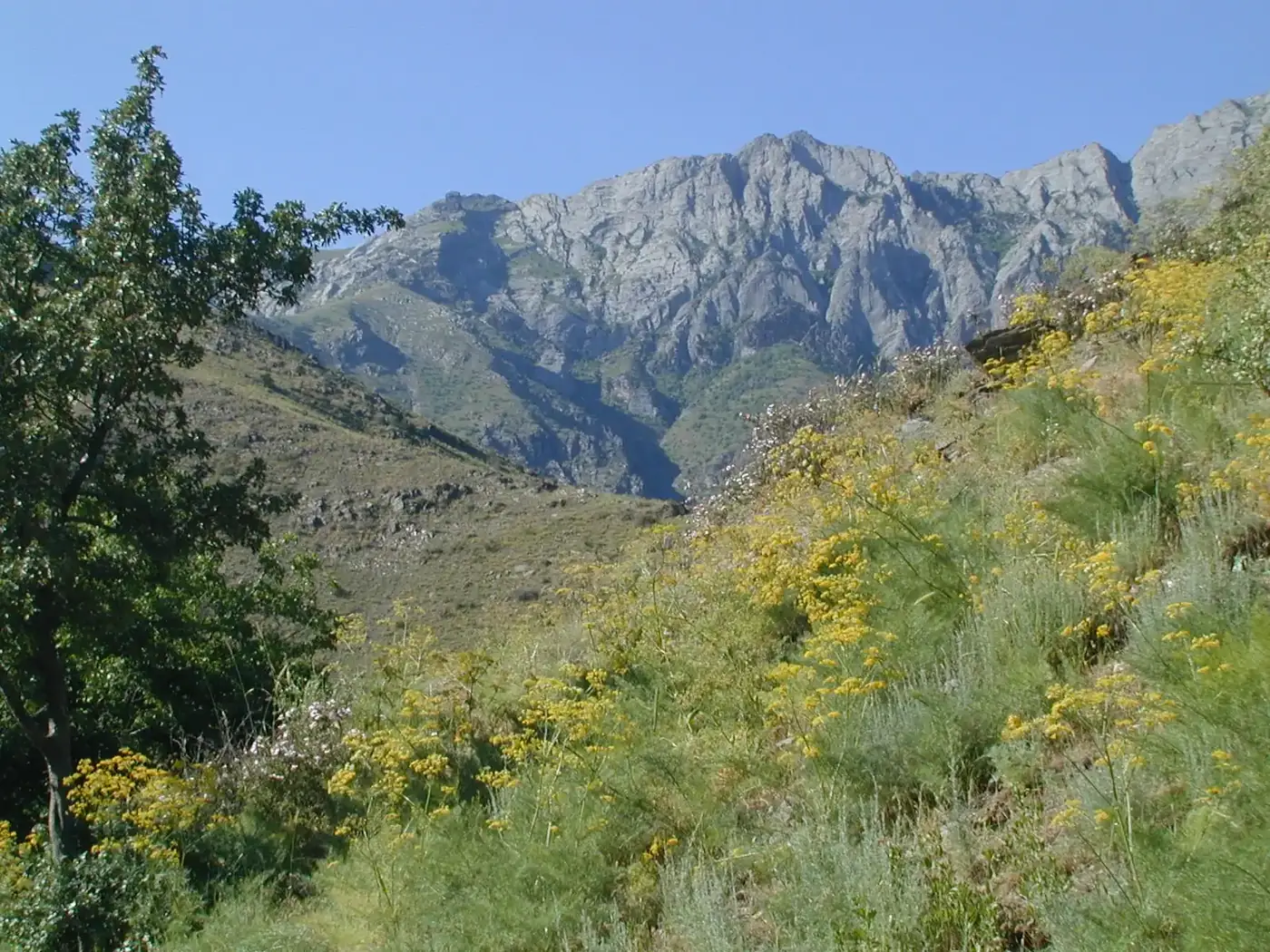
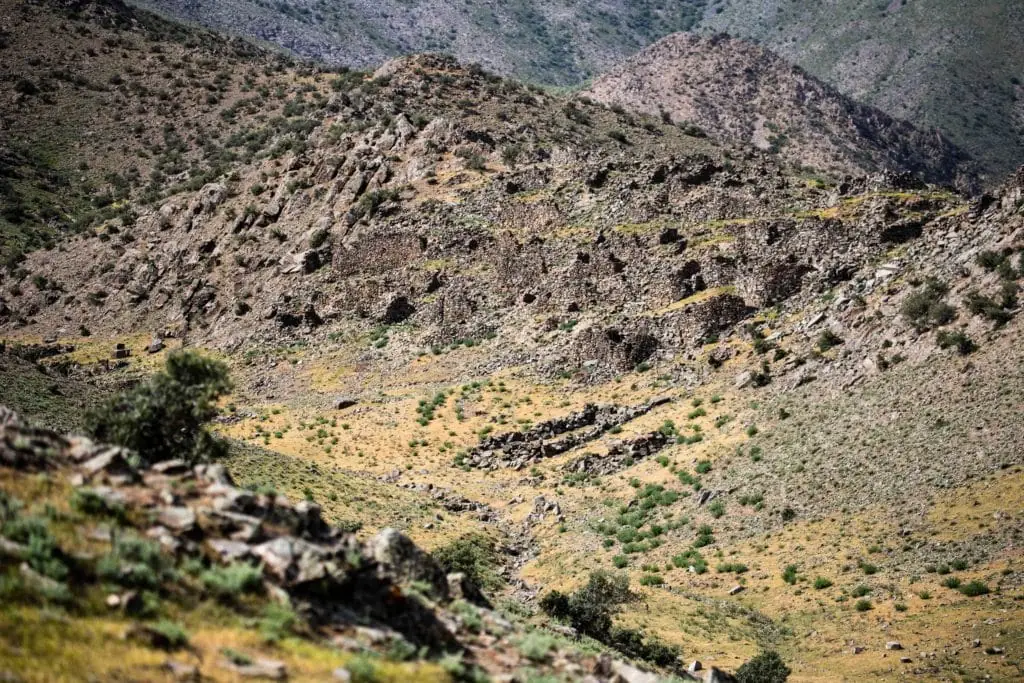
Nuratau Mountains

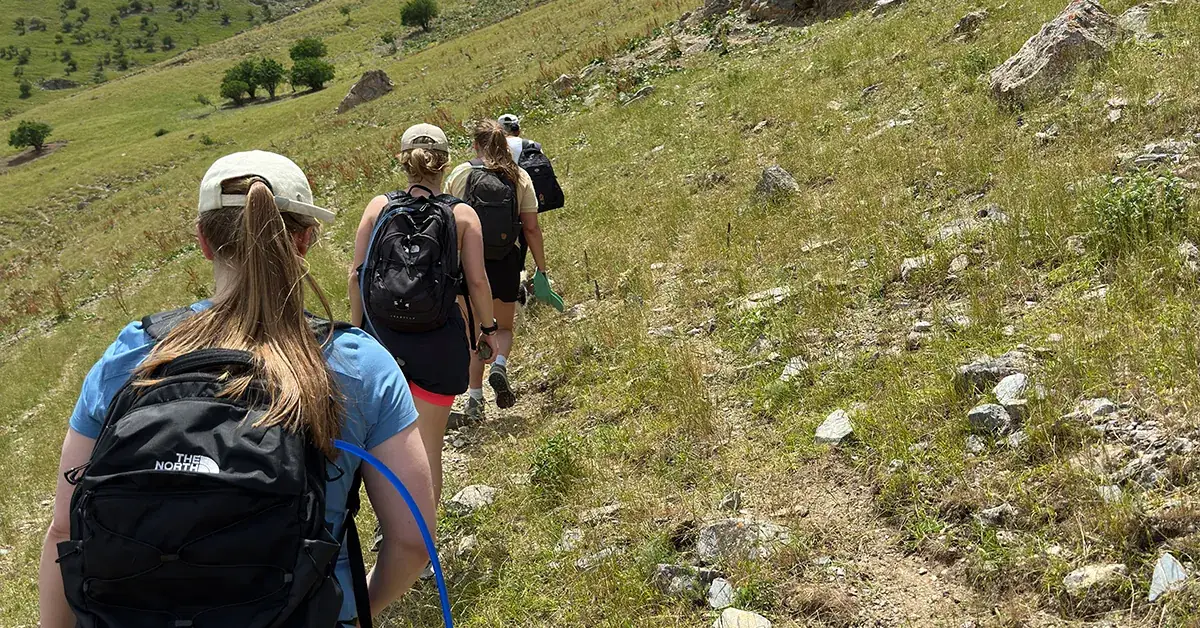
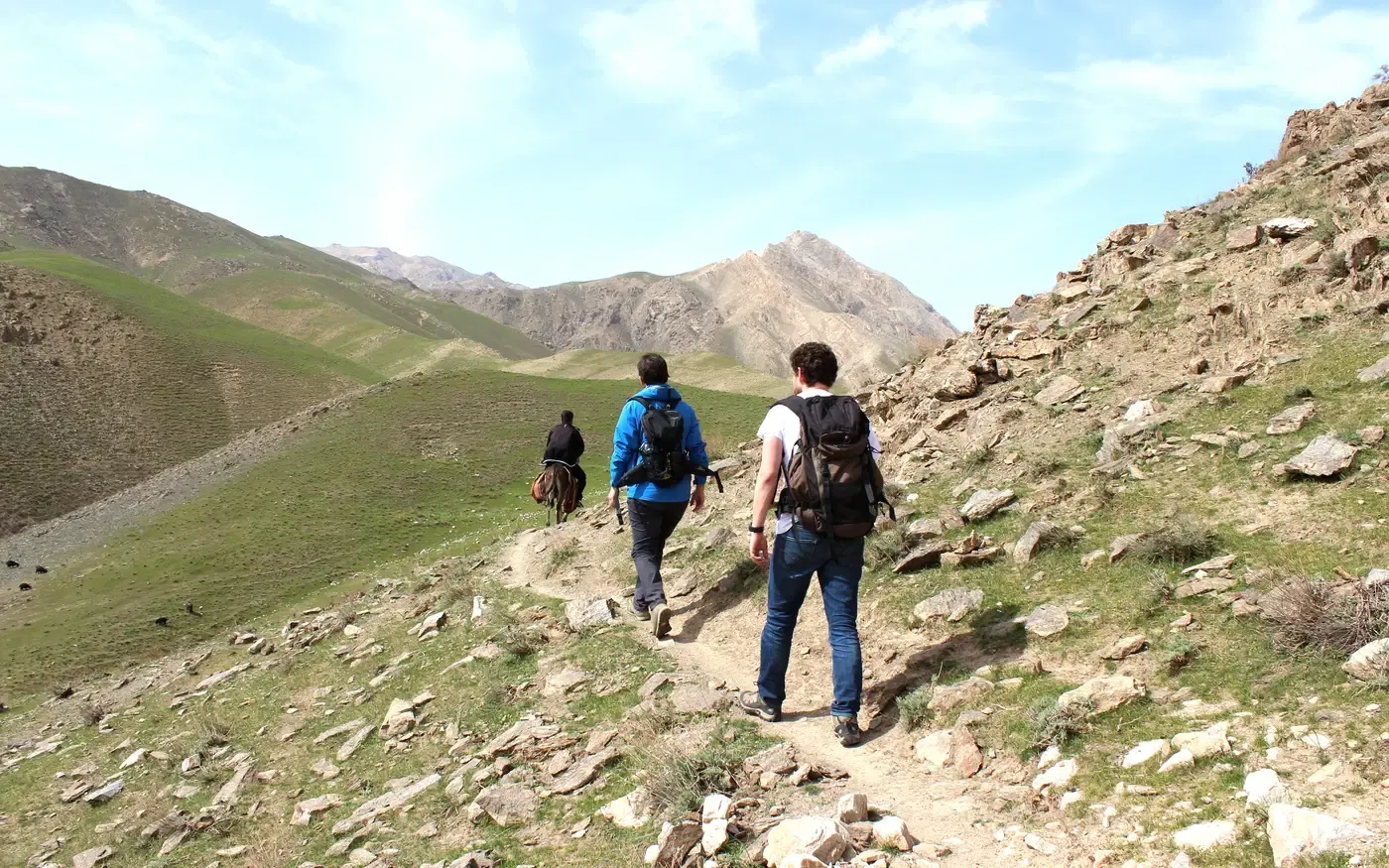
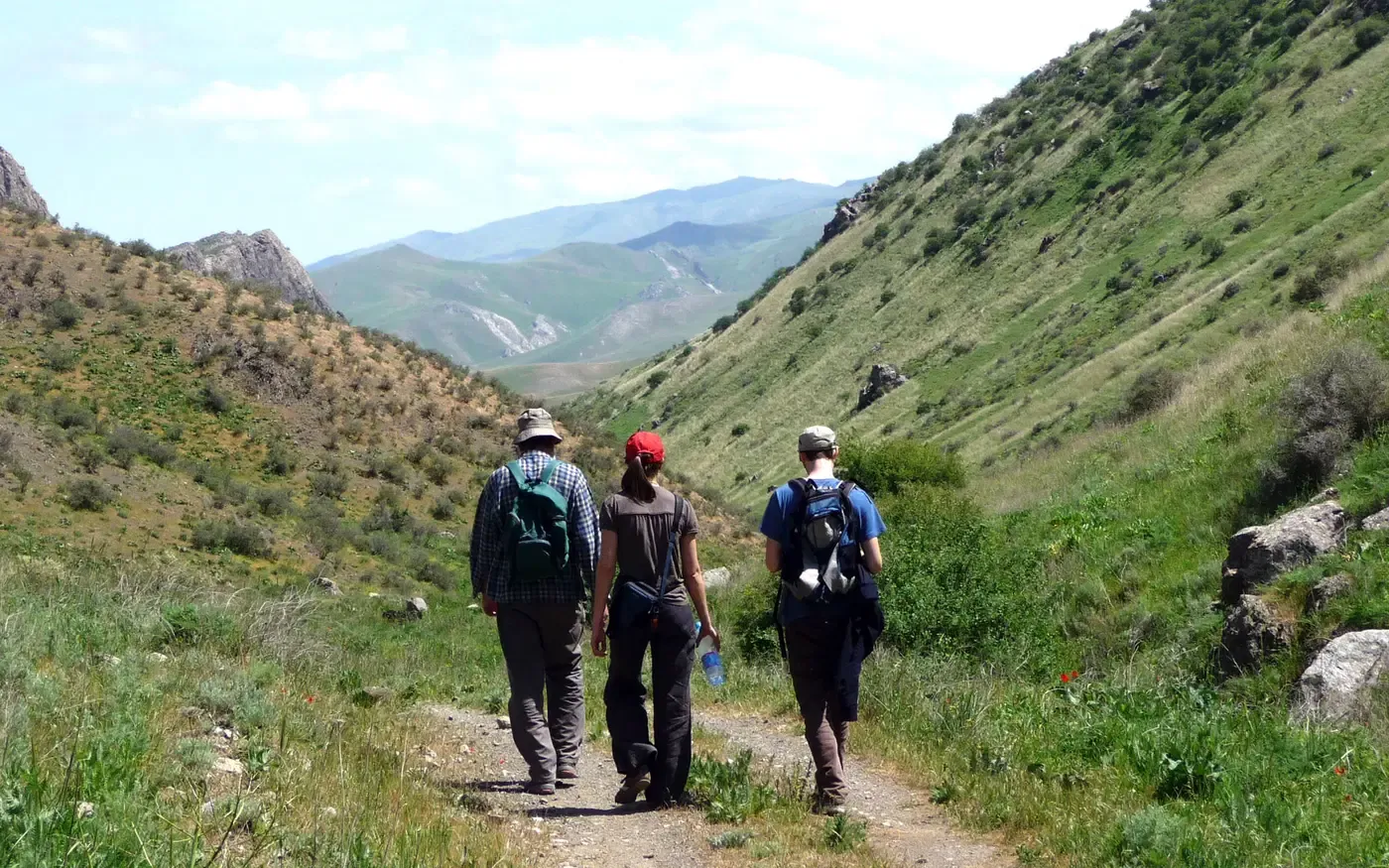
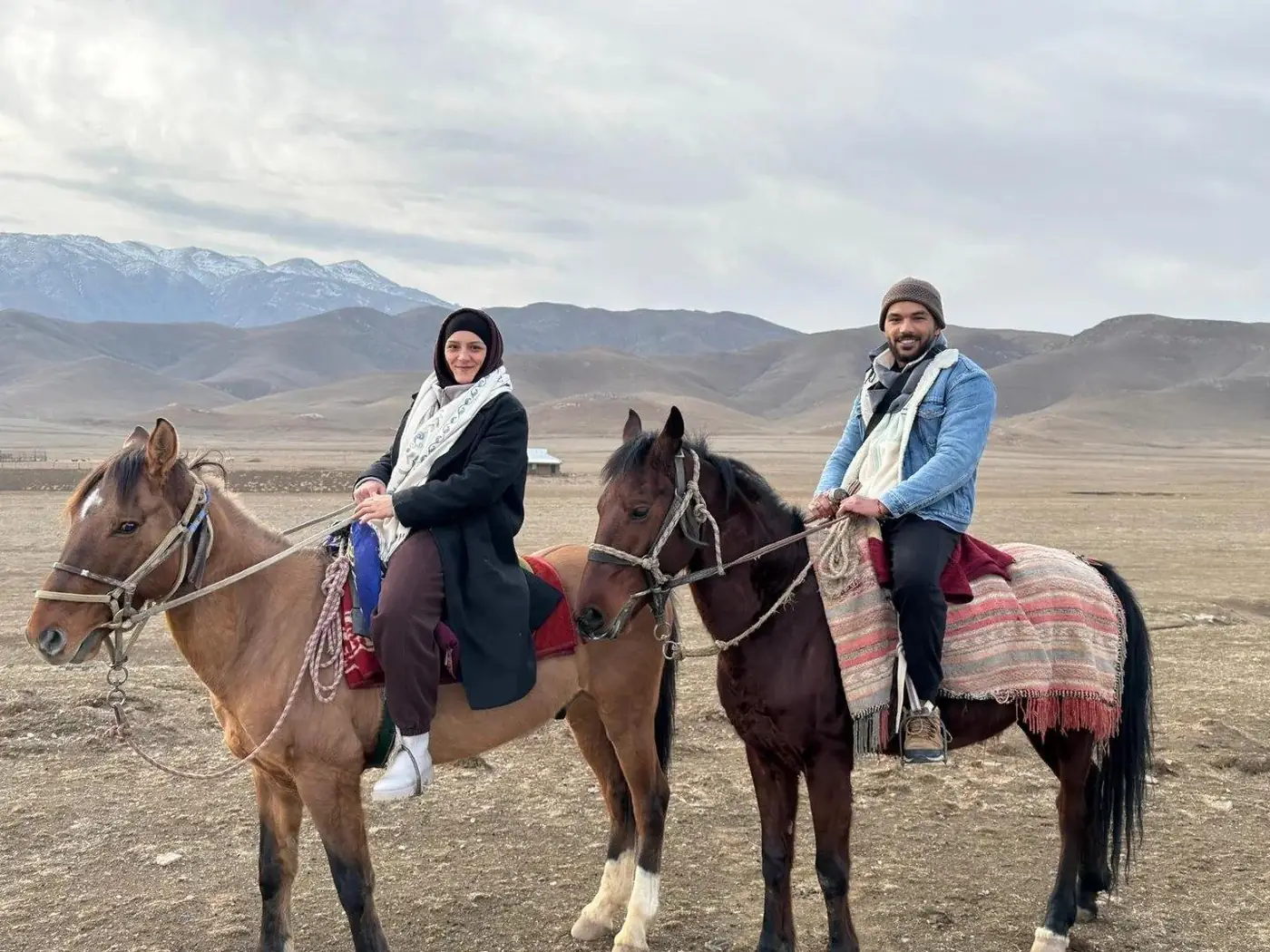
Rocky ridges, green valleys with walnut groves and trails for hiking and horseback riding. The heart of the range is protected as the Nurata State Nature Reserve.

  • Hiking and horseback trails
  • Severtsov's argali habitat
  • Spring flowers

Why visit: Walk straight from the village into the mountains.

Nurota Mountains guide
Aydarkul Lake — Photograph 1 of 5Aydarkul Lake — Photograph 2 of 5Aydarkul Lake — Photograph 3 of 5Aydarkul Lake — Photograph 4 of 5Aydarkul Lake — Photograph 5 of 5
1 / 5

Jizzakh & Navoiy regions

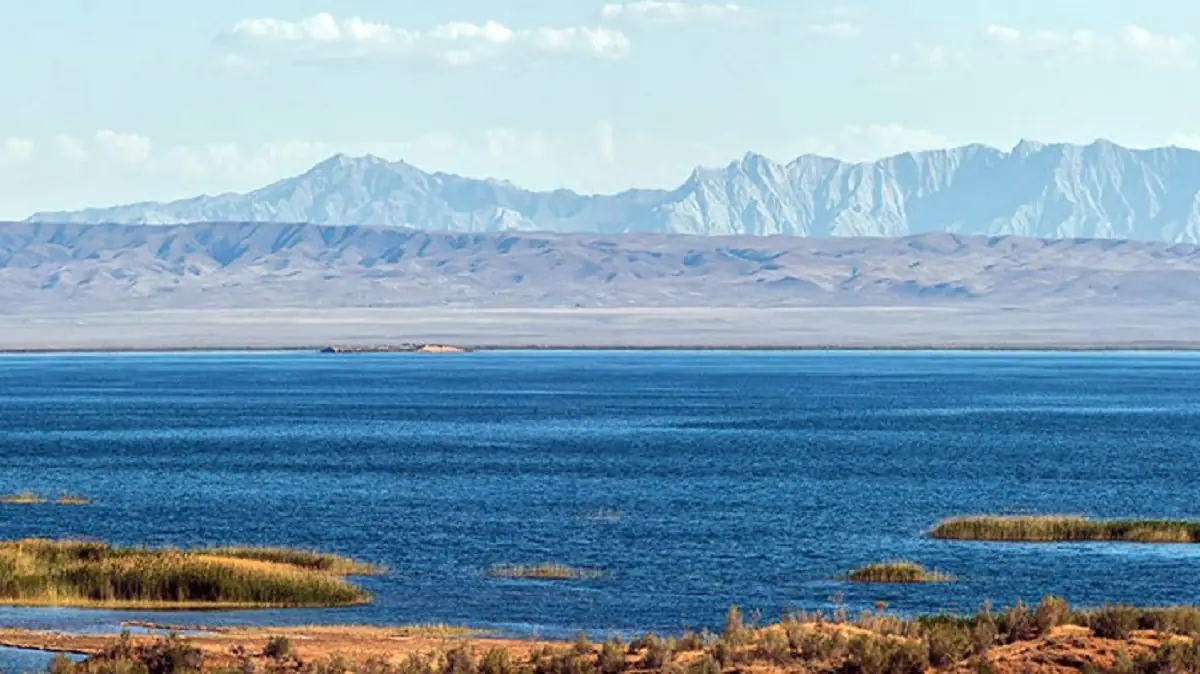
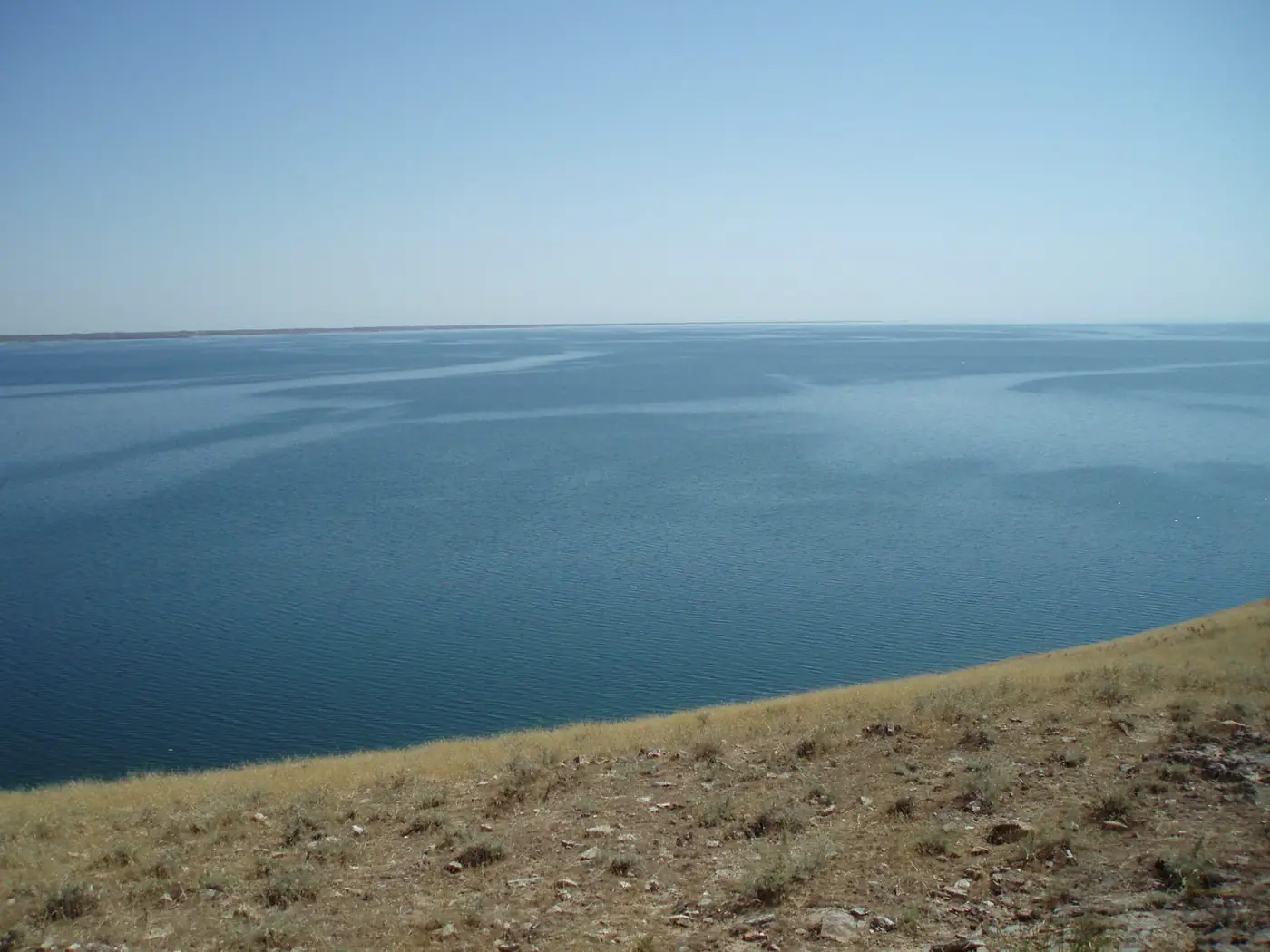
Aydarkul Lake

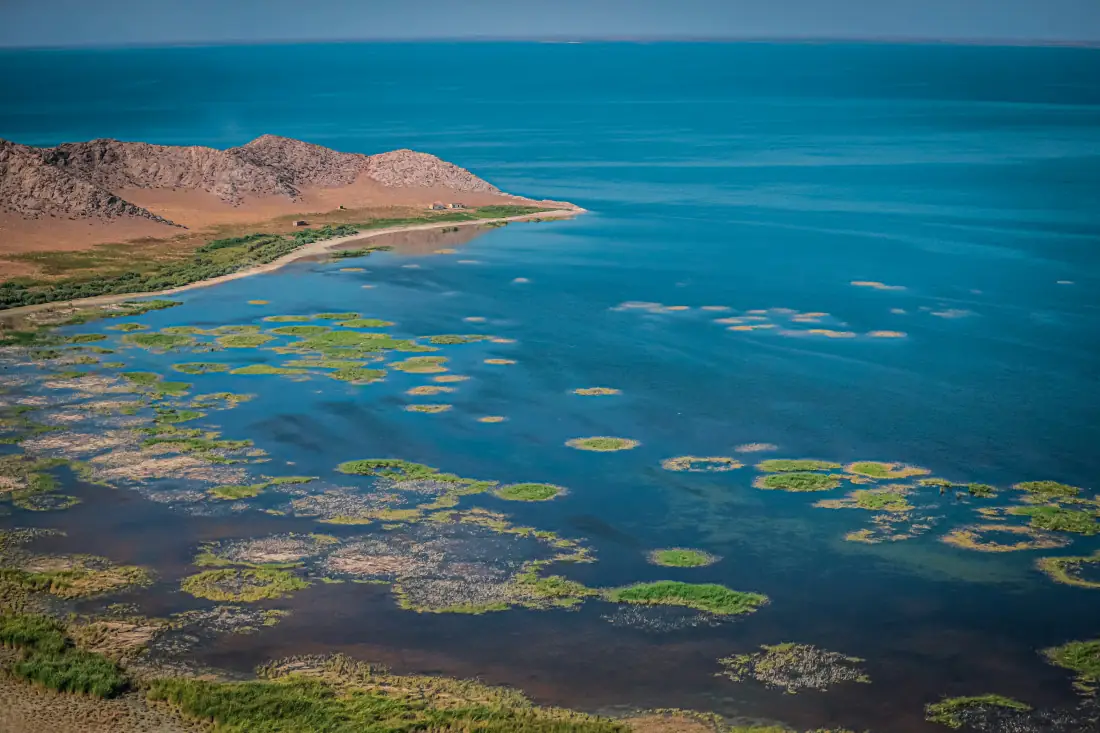
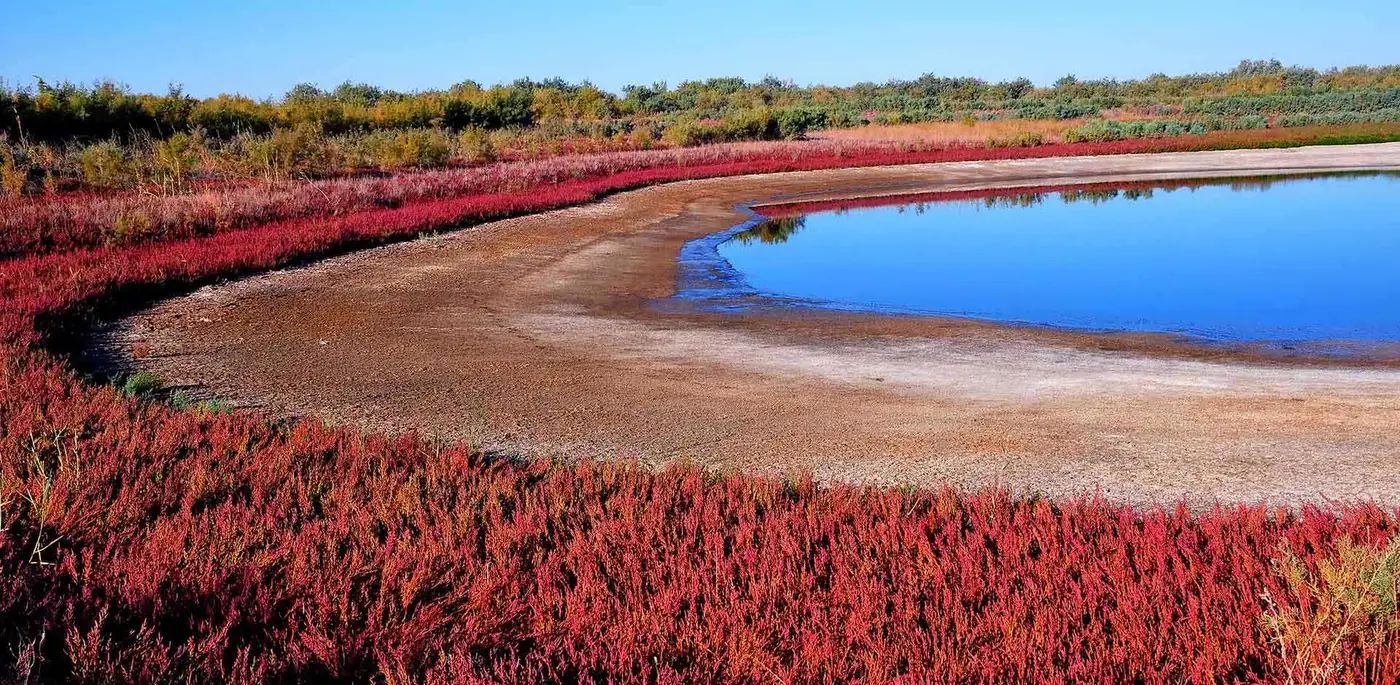
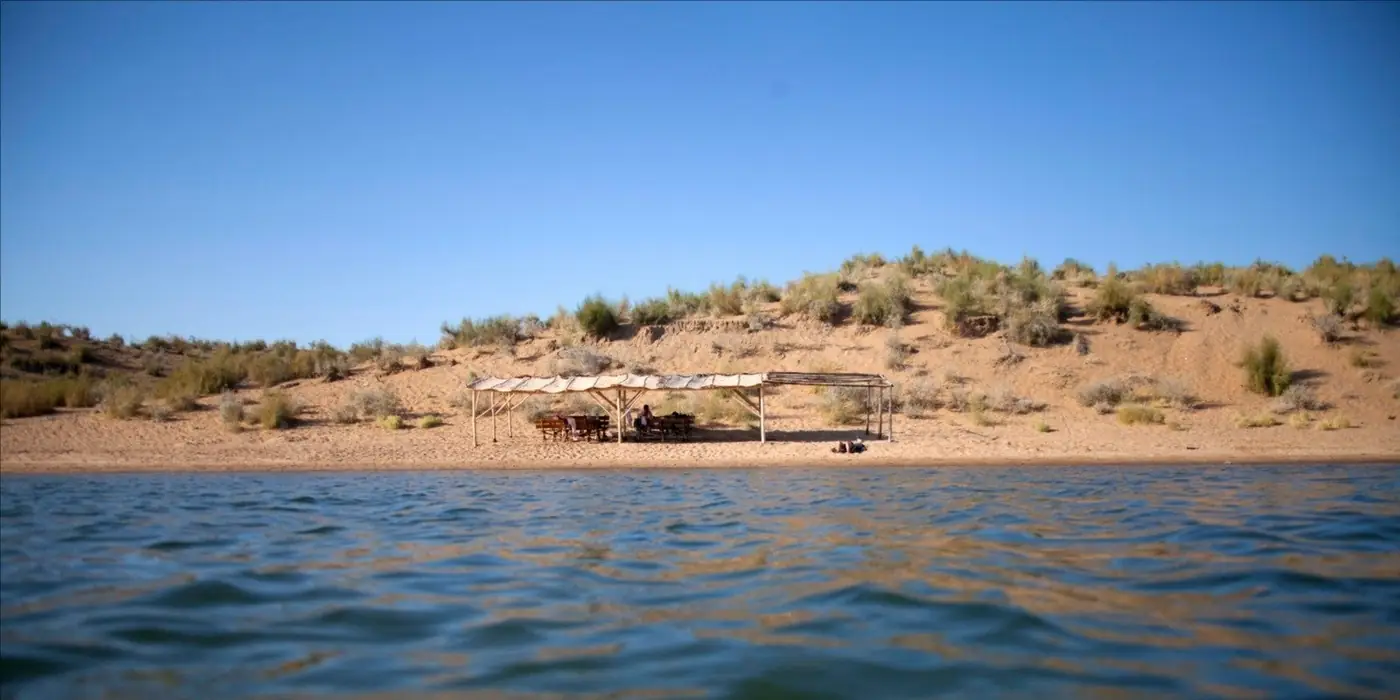
A large lake between desert and steppe north of the Nuratau, with open horizons and swimming in summer when conditions permit. Its northern shore is an Important Bird Area.

  • Water birds
  • Wide horizons for photography
  • Summer swimming when conditions permit

Why visit: Water, desert and sky in a single view.

Tours to Aydarkul
Kyzylkum Desert & yurt camps — Photograph 1 of 5Kyzylkum Desert & yurt camps — Photograph 2 of 5Kyzylkum Desert & yurt camps — Photograph 3 of 5Kyzylkum Desert & yurt camps — Photograph 4 of 5Kyzylkum Desert & yurt camps — Photograph 5 of 5
1 / 5

Navoiy region

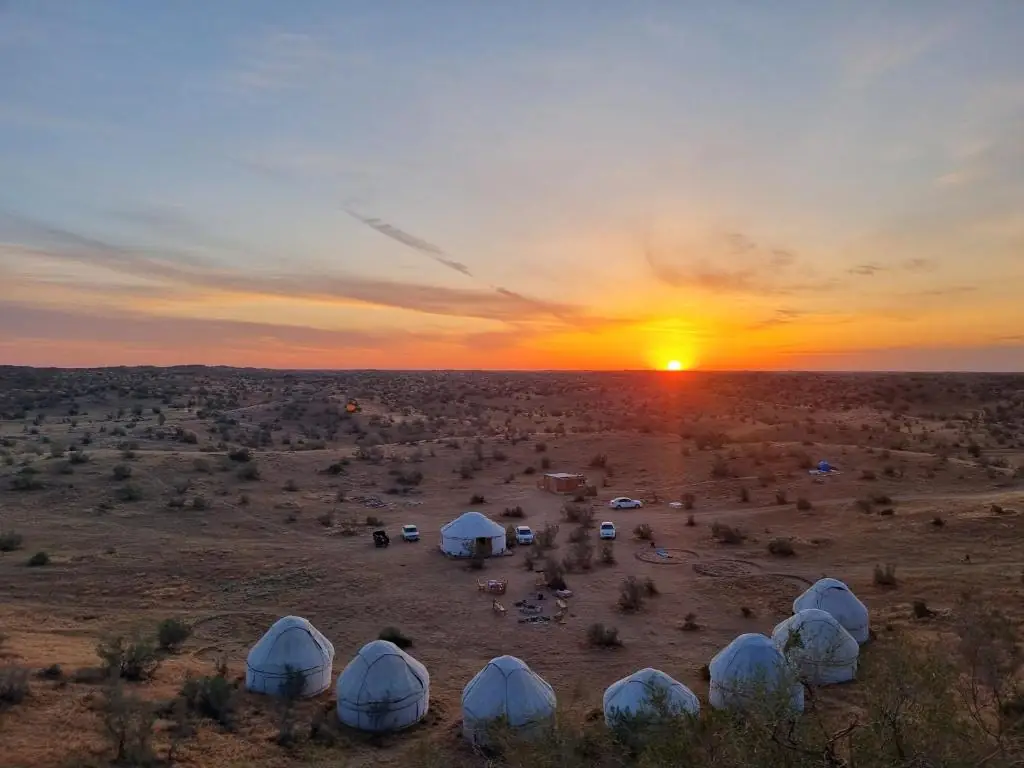
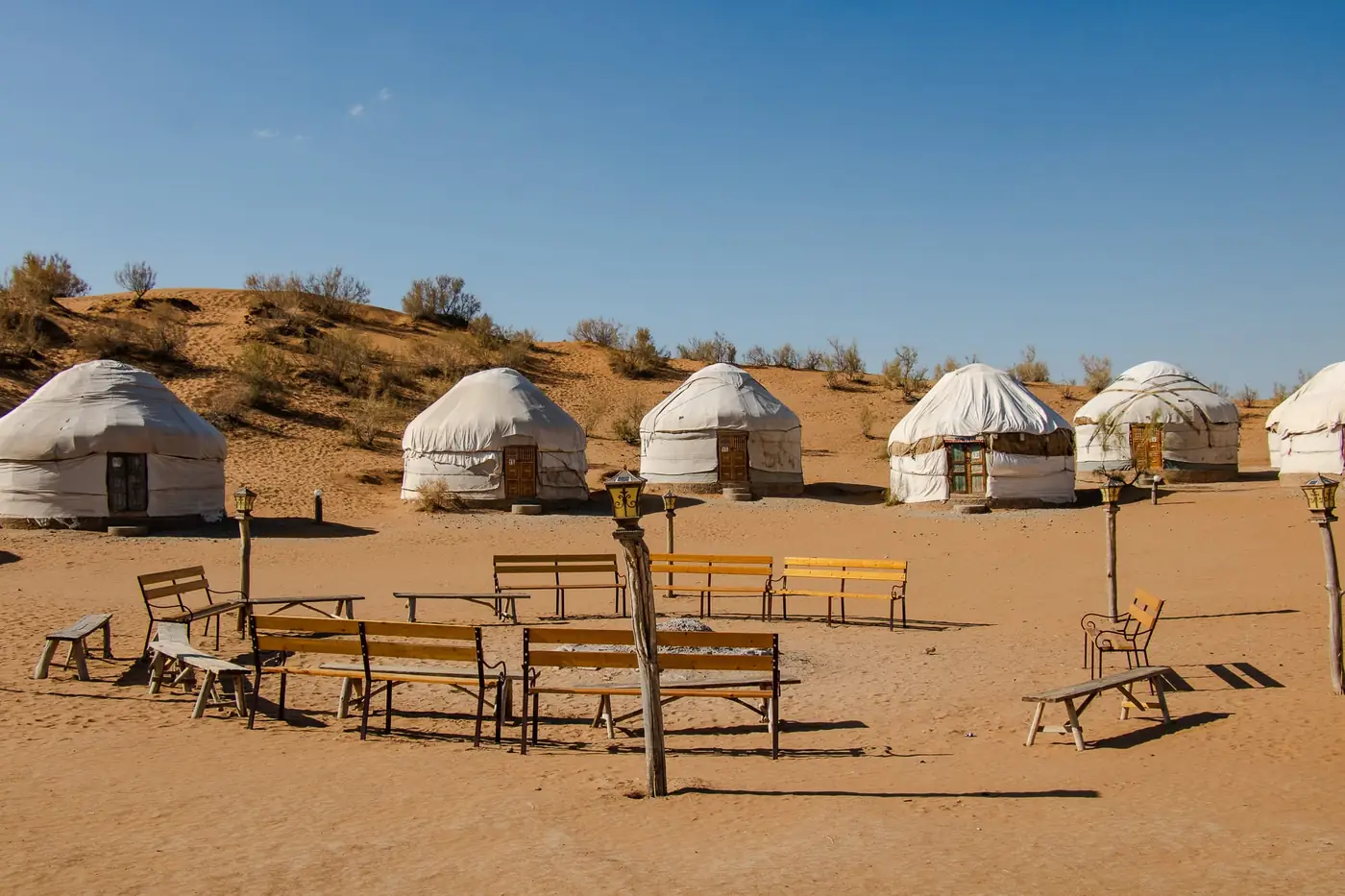
Kyzylkum Desert & yurt camps

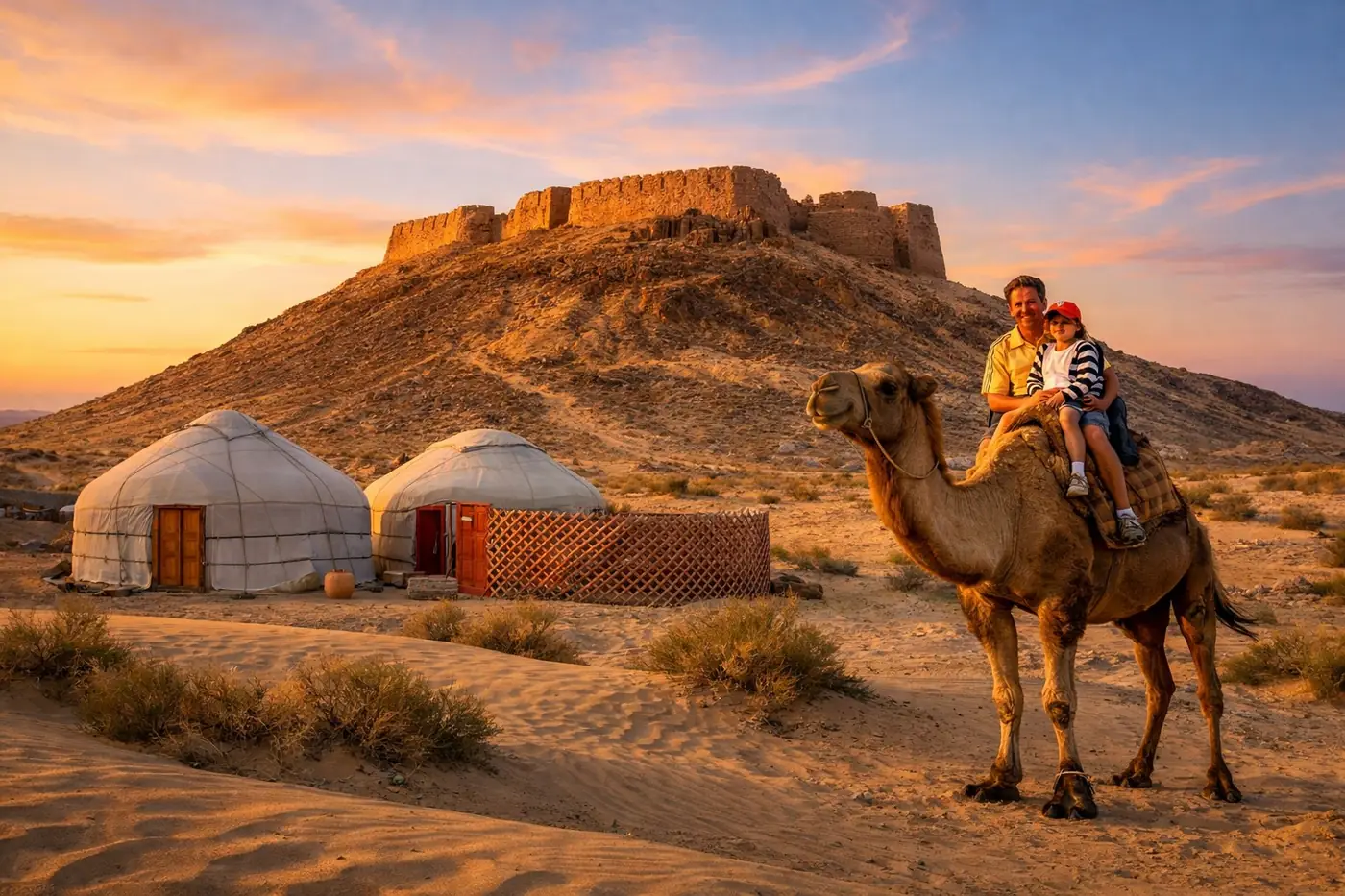
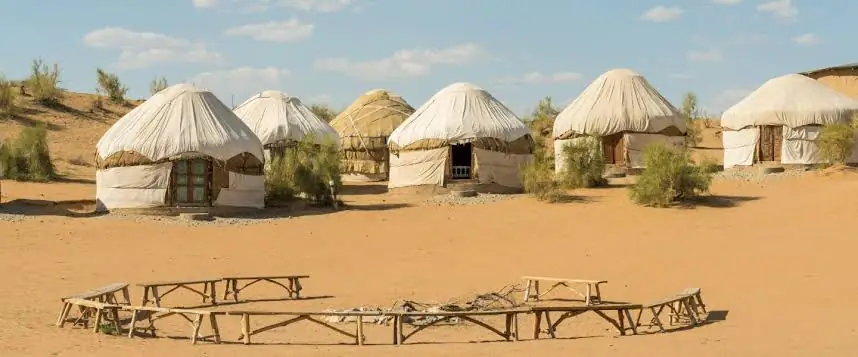
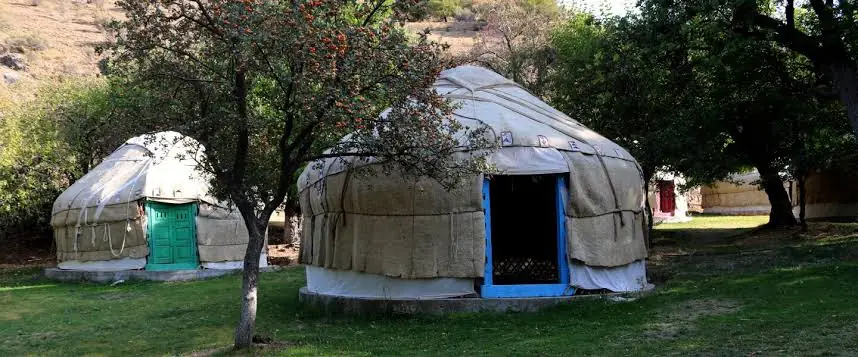
Sand dunes, traditional yurt camps, camel riding and starry skies on the edge of the Kyzylkum, visited on our desert tours. Camp nights are spent outside the guesthouse.

  • Yurt camp nights
  • Camel riding
  • Sunsets and stars

Why visit: A night under desert stars.

Desert tours
Nurata historical sites — Photograph 1 of 6Nurata historical sites — Photograph 2 of 6Nurata historical sites — Photograph 3 of 6Nurata historical sites — Photograph 4 of 6Nurata historical sites — Photograph 5 of 6Nurata historical sites — Photograph 6 of 6
1 / 6

Nurata, Navoiy region

Nurata historical sites

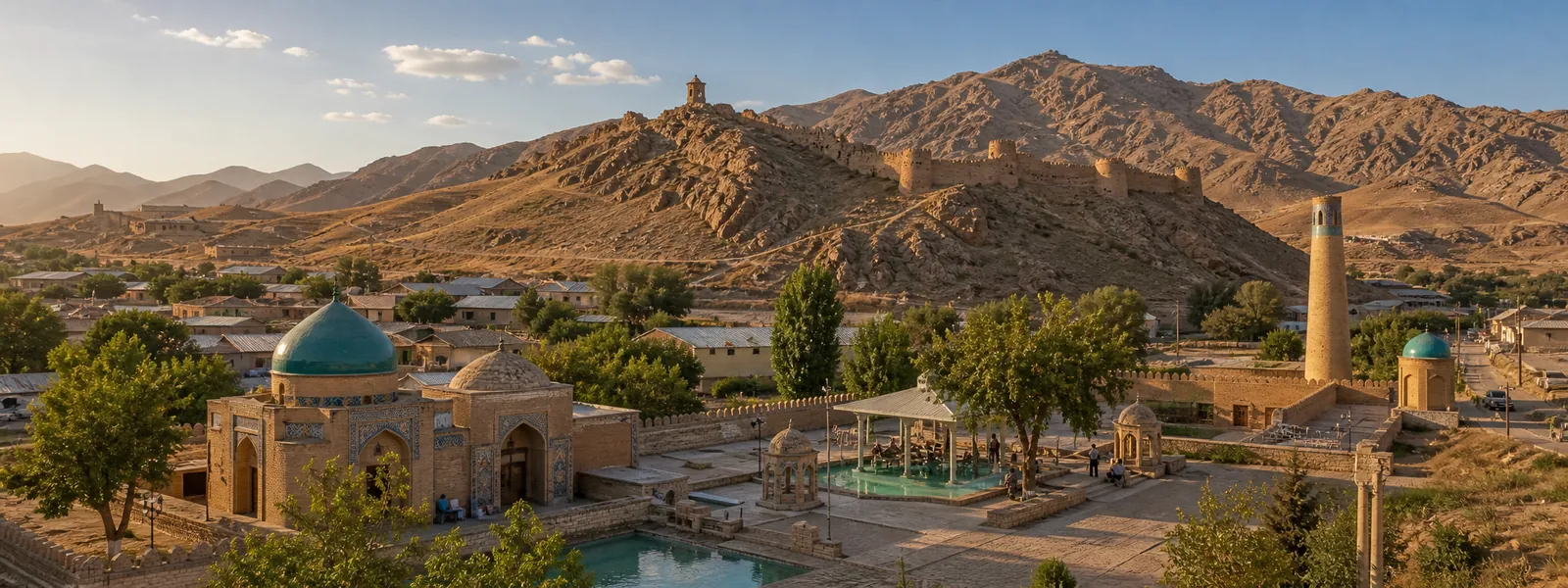
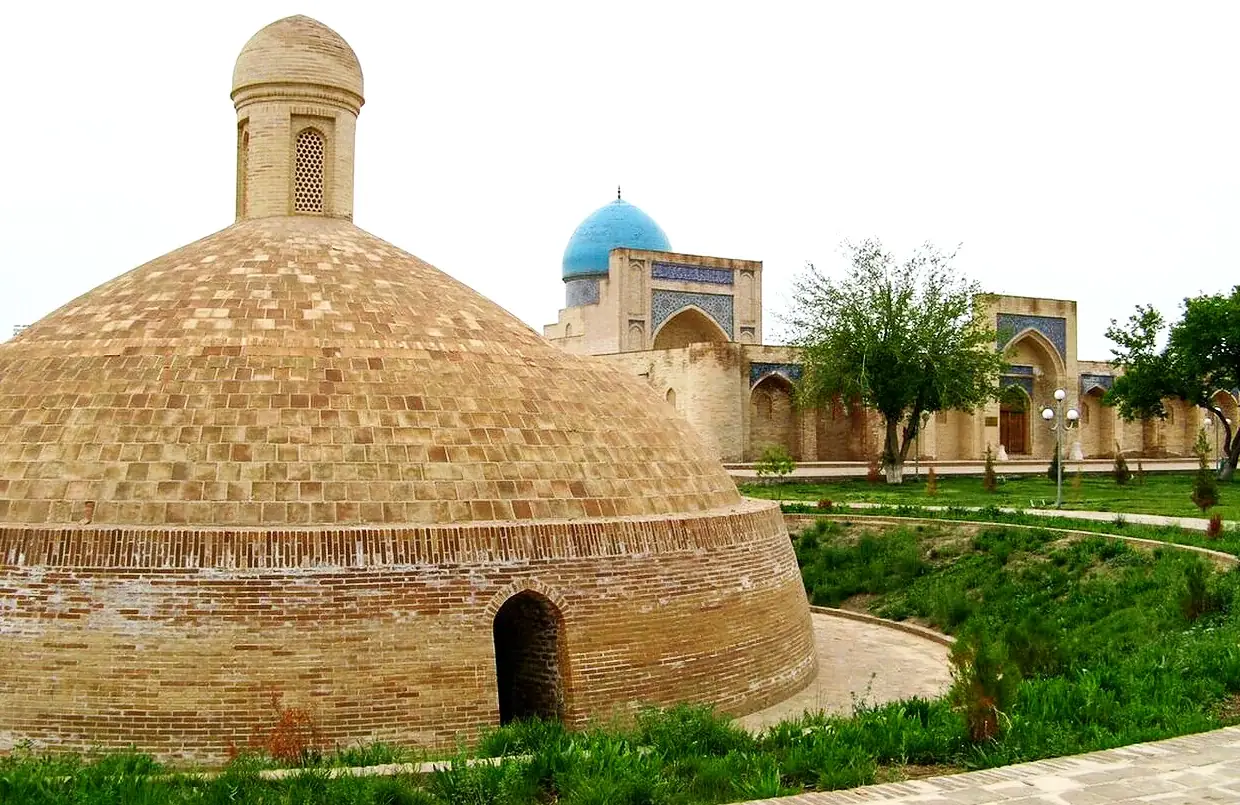
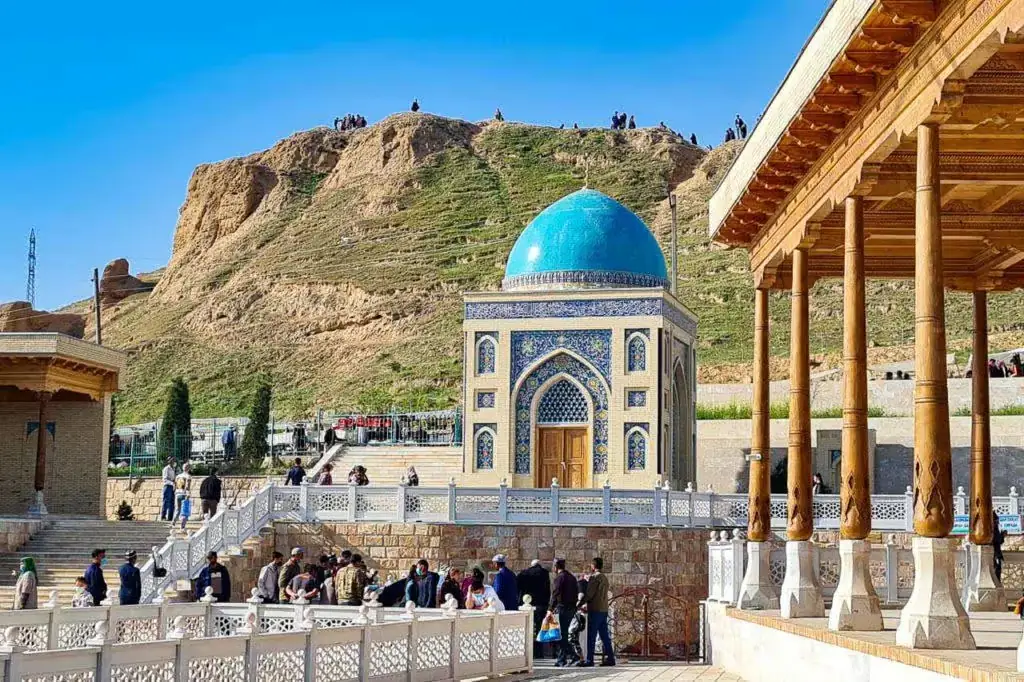
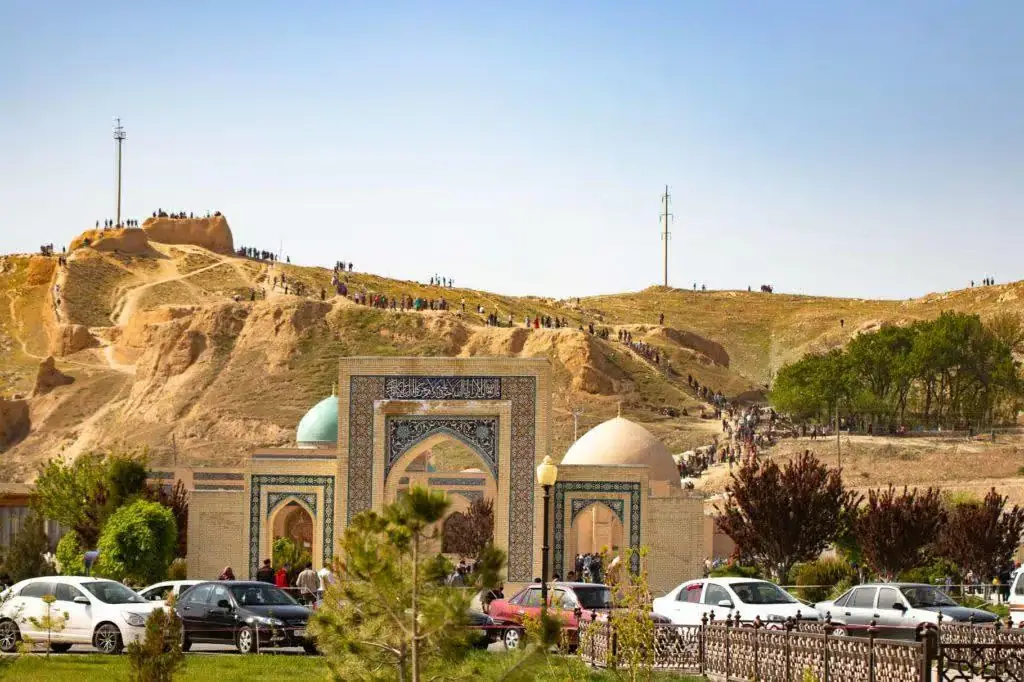
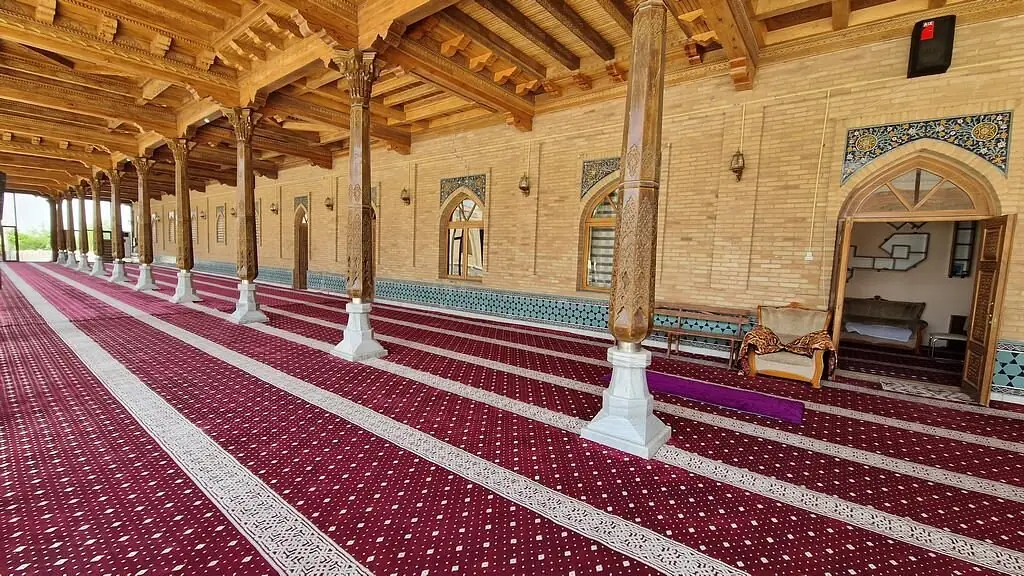
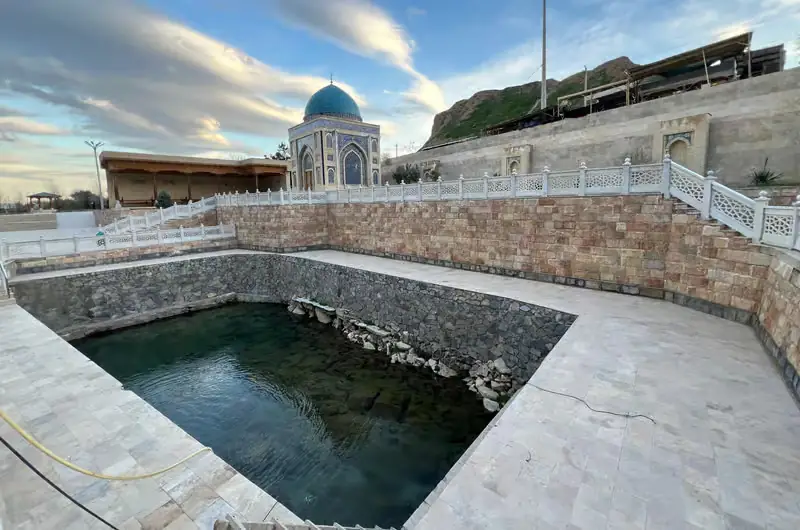
The Chashma spring and mosque complex and the remains of an ancient fortress in the town of Nurata — the first stop on several of our tours.

  • Chashma spring and mosque
  • Fortress remains
  • Easy to combine with the lake and desert

Why visit: History and culture on the way to nature.

Tours including Nurata
Nature & wildlife — Photograph 1 of 2Nature & wildlife — Photograph 2 of 2
1 / 2

Nuratau range

Nature & wildlife

Mountain birds, wild flora and Severtsov's argali — the wild sheep protected in the Nurata reserve. Some of our tours visit a wild sheep enclosure.

  • Severtsov's argali
  • Mountain birds
  • Wild flora

Why visit: Central Uzbekistan's wildlife — sightings are never guaranteed.

Wildlife discovery

All destinations →

The Nurota Mountains around our guesthouse

How our base in Uxum village relates to the reserve, Aydarkul Lake and nearby towns.

Loading map…

Positions are approximate reference points from public sources. Walking and driving routes will be added once confirmed.

Our guesthouse: Uxum village

House 39, Uxum village, Forish district, Jizzakh region. The exact map pin is being confirmed with the owner, so the guesthouse is not marked on this map yet.
Wildlife discovery

Browse documented species of the regions we cover. Filter by habitat, animal group, region and interest.

Interest

24 species shown

Listing a species does not mean it can be seen on a particular tour. Many are rare, shy or live in closed protected zones. Rare and endangered species: several are recovering thanks to protection, such as Severtsov's argali and Bukhara deer — others remain very rare.

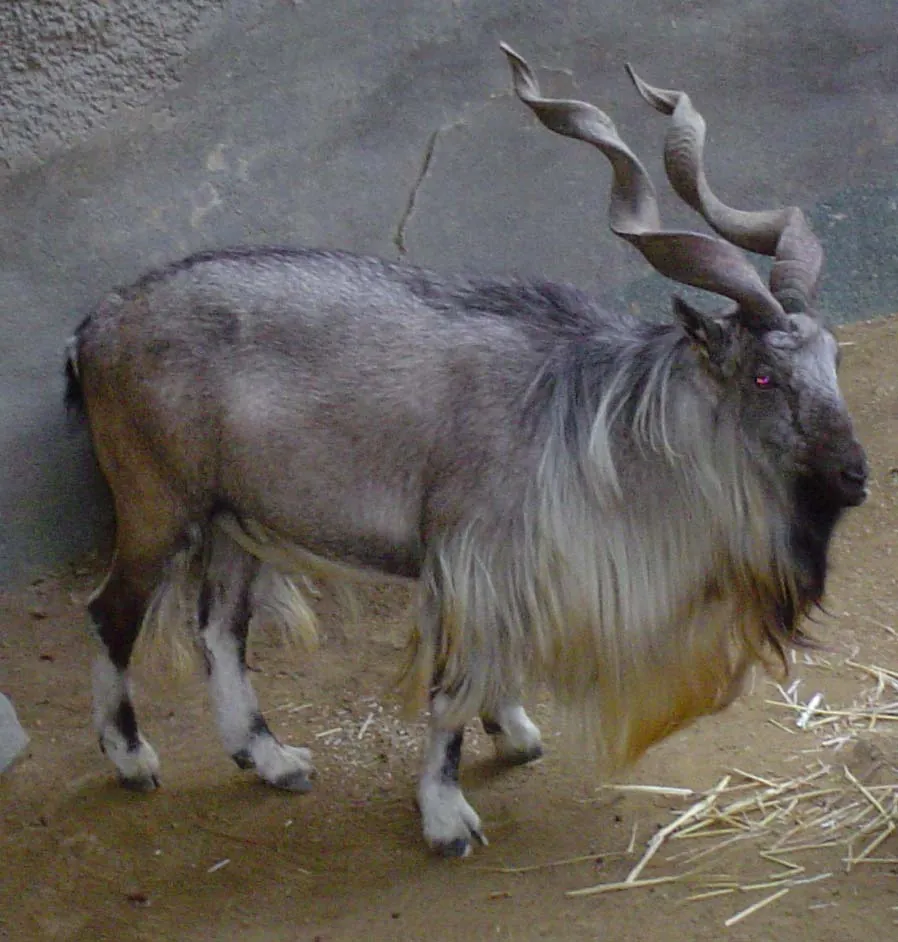
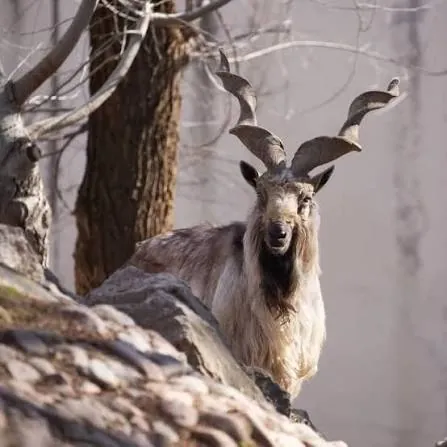
  • Markhor — Photograph 1 of 2Markhor — Photograph 2 of 2
    1 / 2

    Markhor

    Capra falconeri

    Wild goat with spiralled horns living on steep cliffs of the Kuhitang.

    Mountain speciesMammalsGood for photography

    Documented in: Sherabad & Kuhitang Mountains

    Conservation status: Near Threatened (IUCN Red List, 2015)

  • Bukhara urial — Photograph 1 of 1

    Bukhara urial

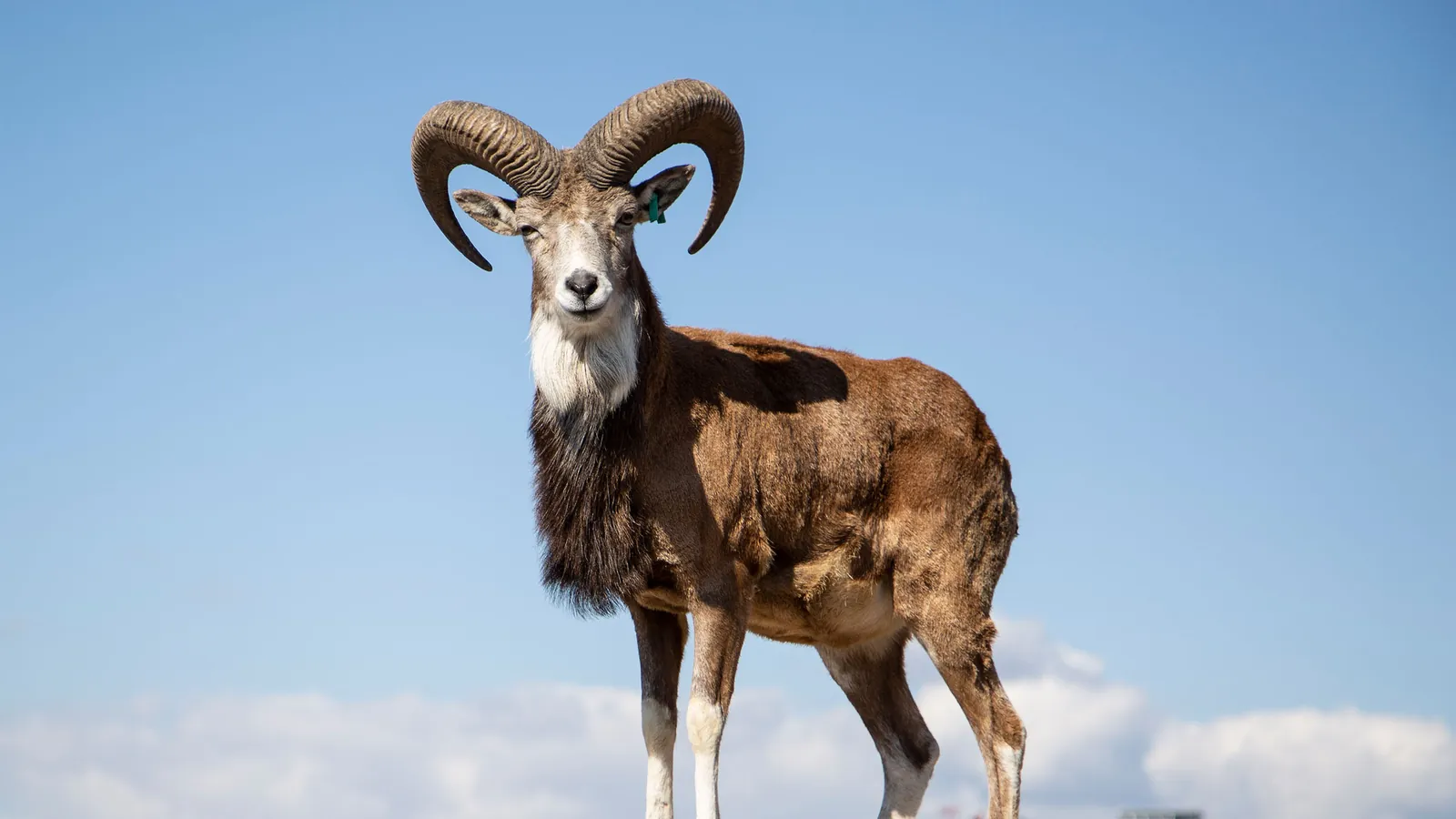
    Ovis vignei bocharensis

    Wild sheep of slopes and foothills in southern Uzbekistan.

    Mountain speciesMammalsGood for photography

    Documented in: Sherabad & Kuhitang Mountains

    Conservation status: Listed in the Red Book of Uzbekistan (Red Book of Uzbekistan (Ministry of Ecology), checked Nov 2026)

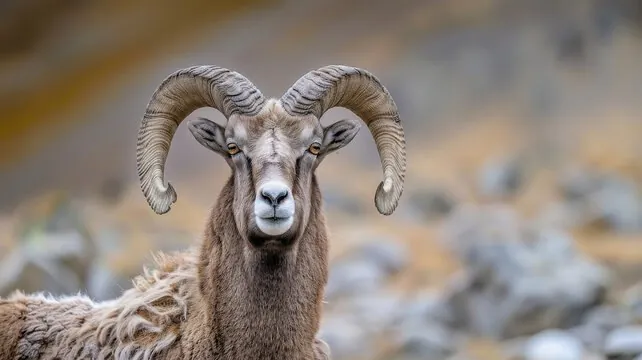
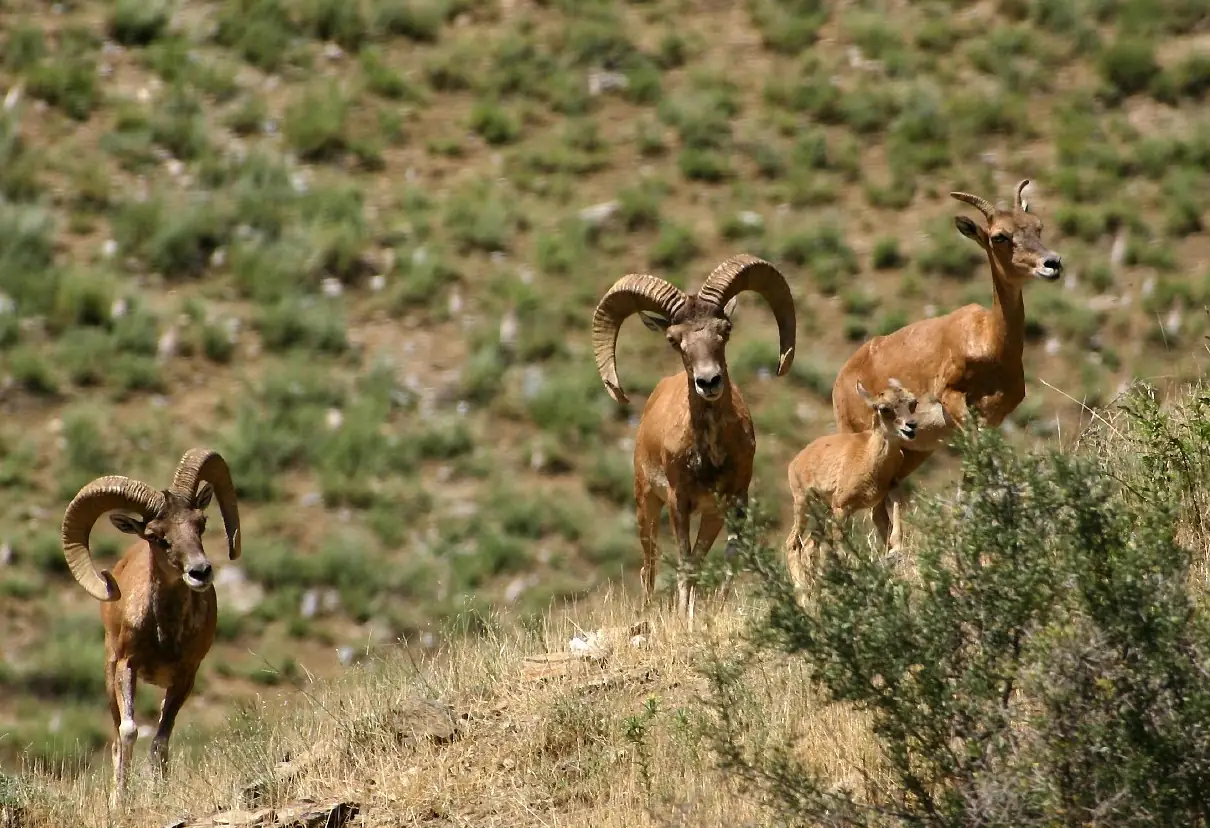
  • Severtsov's argali — Photograph 1 of 1

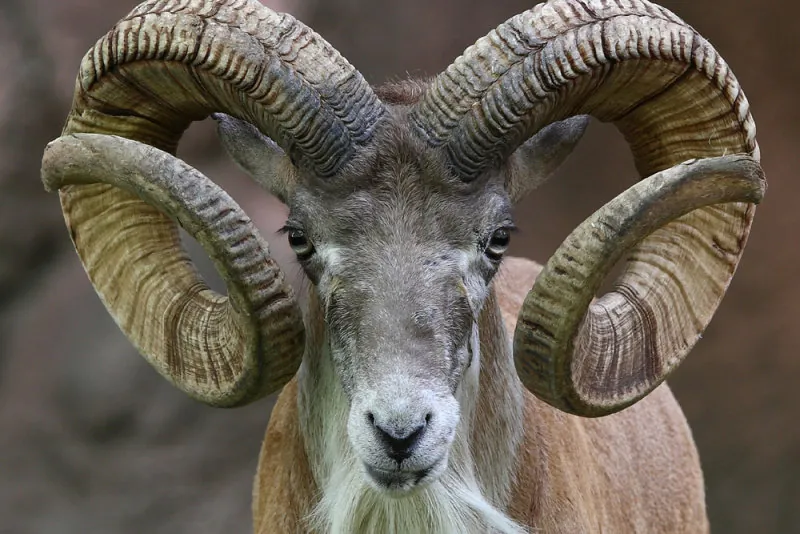
    Severtsov's argali

    Ovis ammon severtzovi

    Wild mountain sheep surviving mainly in the Nuratau; recovering under protection.

    Mountain speciesMammalsGood for photography

    Documented in: Nurota Mountains

    Conservation status: Described as globally threatened (Nurata reserve description (GBIF), checked Nov 2026)

  • Snow leopard — Photograph 1 of 1

    Snow leopard

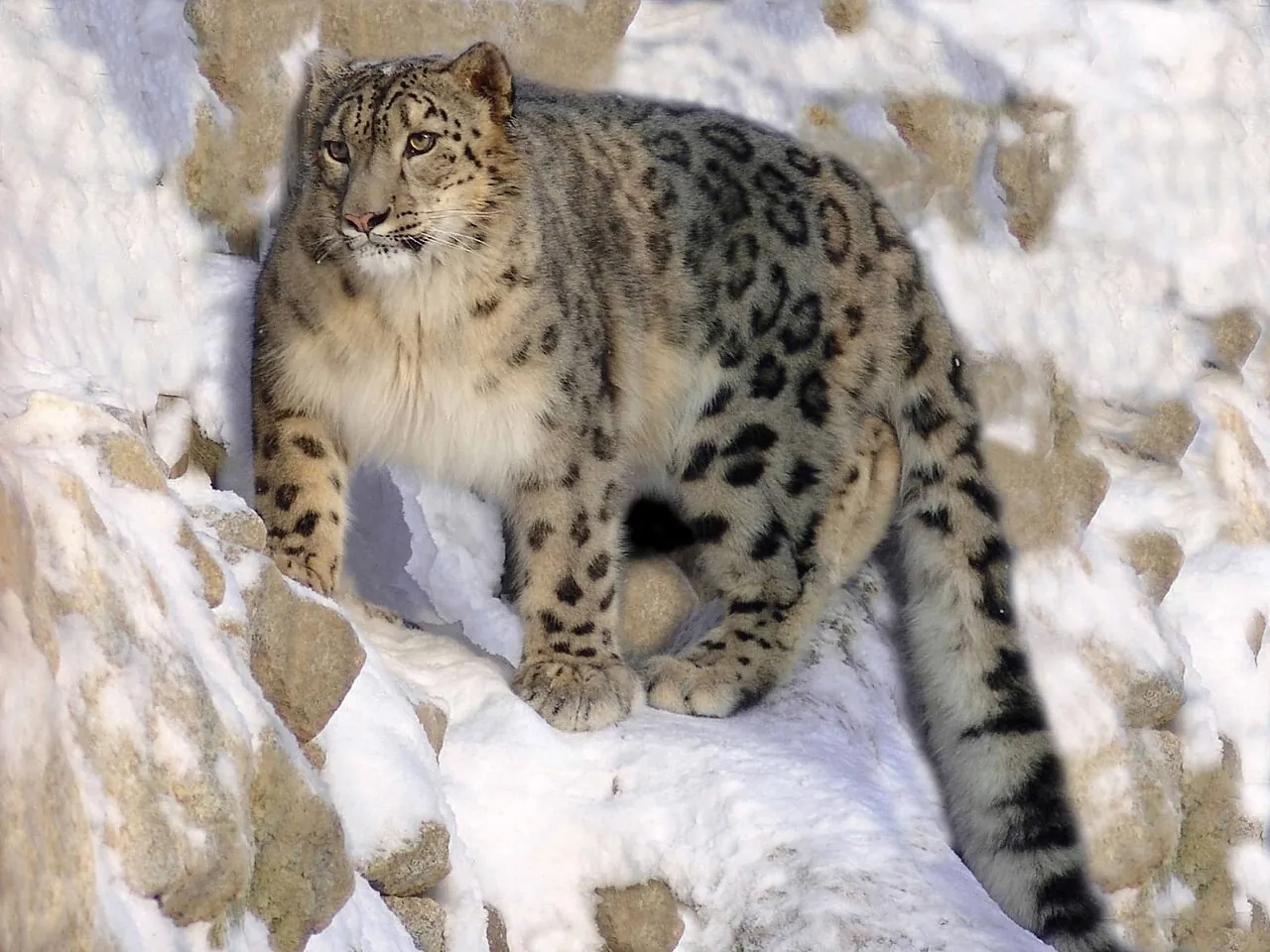
    Panthera uncia

    Elusive predator of the Western Tien Shan, known mostly from camera traps.

    Mountain speciesMammals

    Documented in: Chatkal State Biosphere Reserve, Ugam–Chatkal National Park

    Conservation status: Vulnerable (IUCN Red List, 2017)

  • Tien Shan brown bear

    Ursus arctos isabellinus

    Large omnivore of mountain forests and meadows.

    Mountain speciesMammals

    Documented in: Chatkal State Biosphere Reserve, Ugam–Chatkal National Park

    Conservation status: Not verified for this guide

  • Siberian ibex — Photograph 1 of 1

    Siberian ibex

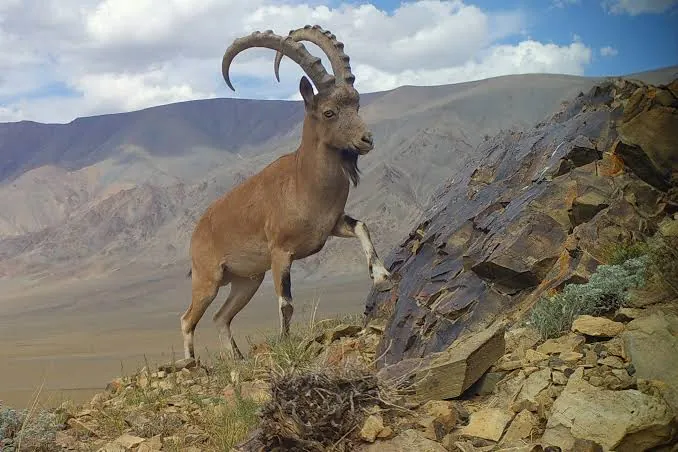
    Capra sibirica

    Wild goat of cliffs and high slopes; key prey of the snow leopard.

    Mountain speciesMammalsGood for photography

    Documented in: Chatkal State Biosphere Reserve

    Conservation status: Not verified for this guide

  • Turkestan lynx — Photograph 1 of 1

    Turkestan lynx

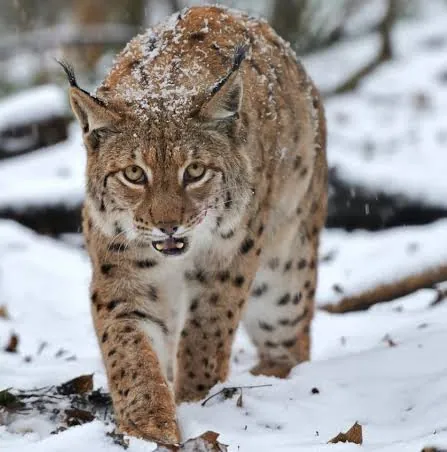
    Lynx lynx isabellinus

    Secretive cat of rocky, wooded slopes.

    Mountain speciesMammals

    Documented in: Sherabad & Kuhitang Mountains, Chatkal State Biosphere Reserve

    Conservation status: Not verified for this guide

  • Menzbier's marmot

    Marmota menzbieri

    Endemic to the Western Tien Shan's alpine meadows; our sources do not confirm populations inside Uzbek protected areas.

    Mountain speciesMammalsGood for photography

    Documented in: Western Tien Shan (wider region)

    Conservation status: Vulnerable (IUCN category as cited in regional checklists, checked Nov 2026)

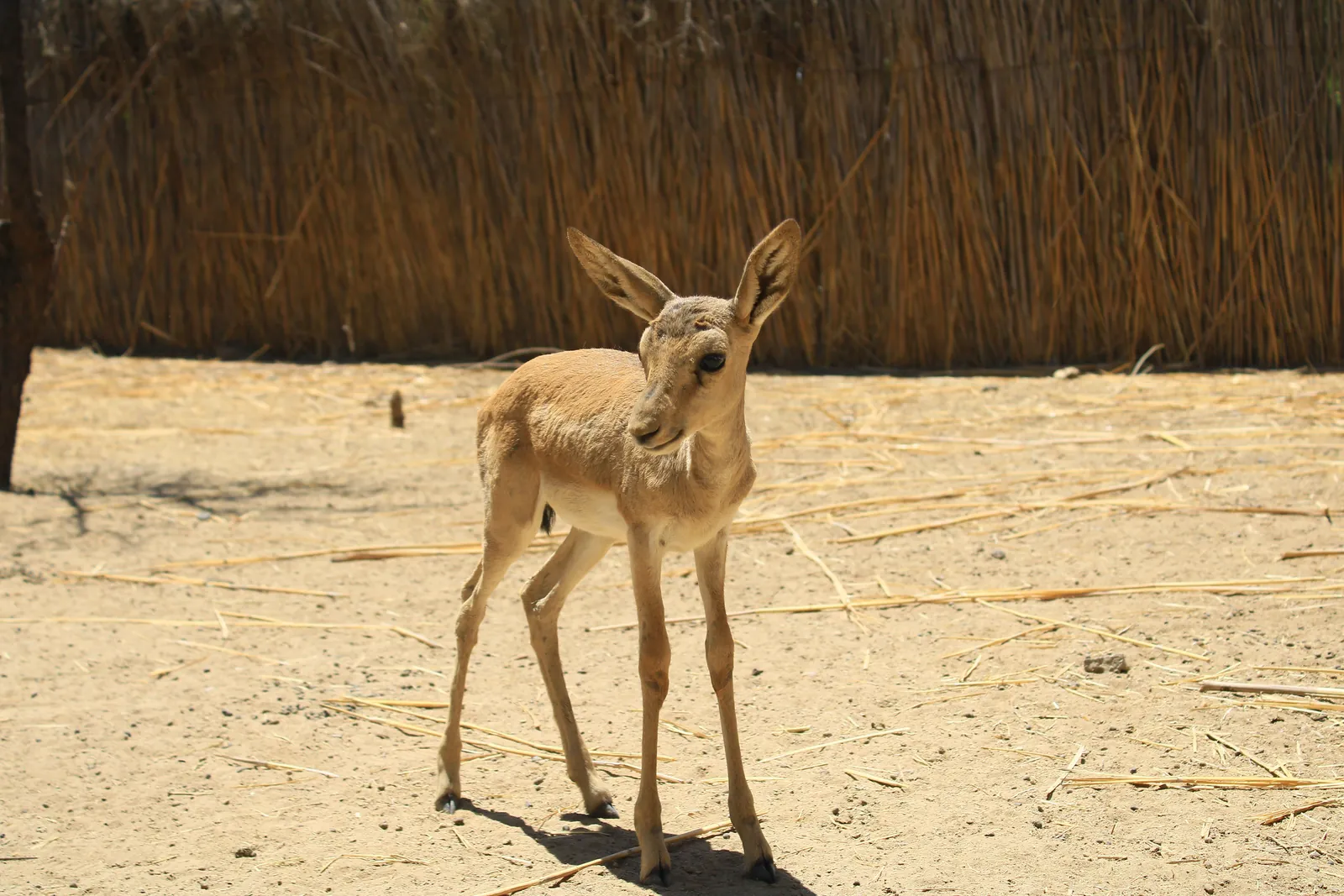
  • Goitered gazelle (jeyran) — Photograph 1 of 3Goitered gazelle (jeyran) — Photograph 2 of 3Goitered gazelle (jeyran) — Photograph 3 of 3
    1 / 3

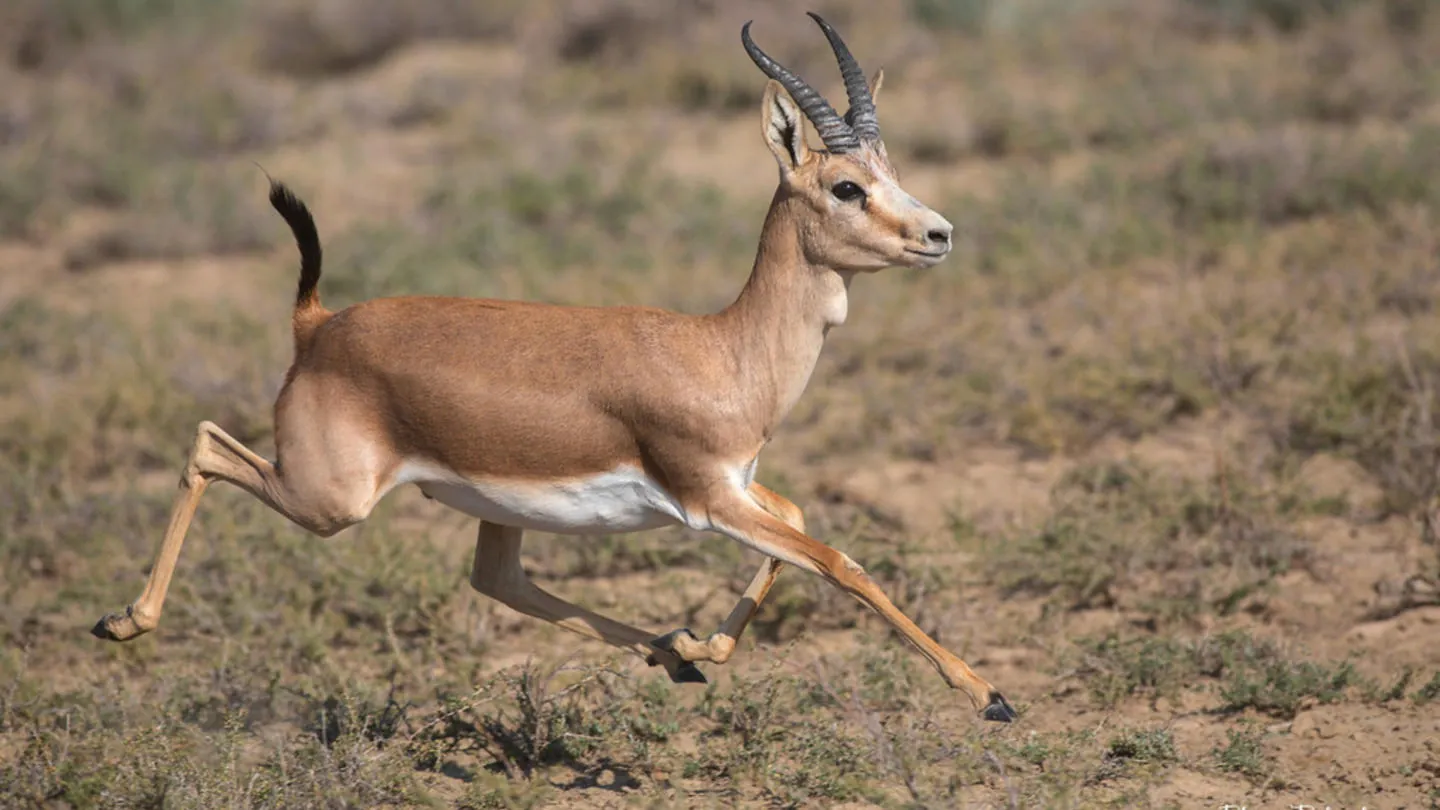
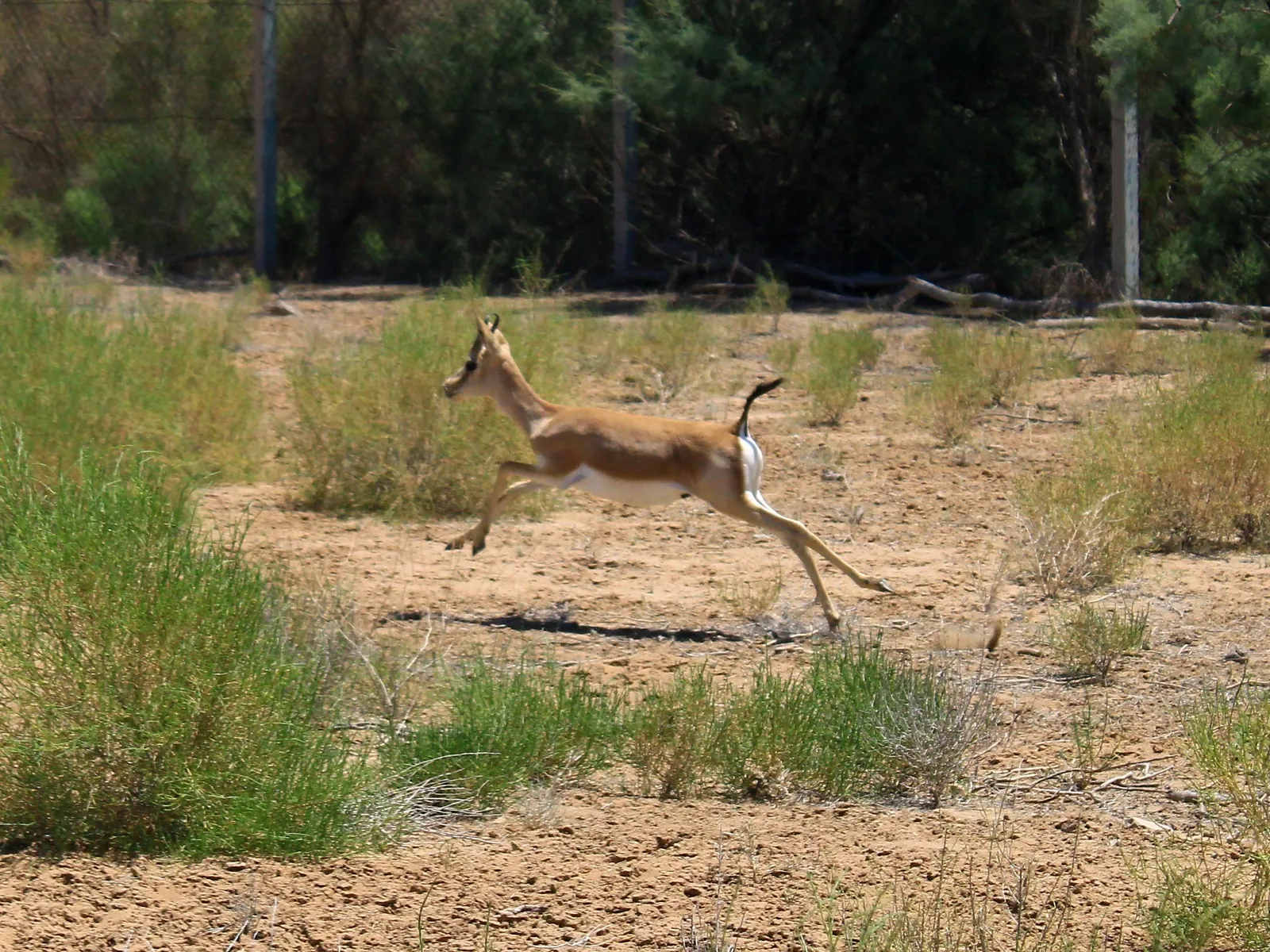
    Goitered gazelle (jeyran)

    Gazella subgutturosa

    Desert antelope bred at the Jeyran Ecocentre and recorded on the Ustyurt.

    Desert speciesMammalsGood for photography

    Documented in: Jeyran Ecocentre, Ustyurt Plateau & Cliffs, Sherabad & Kuhitang Mountains

    Conservation status: Vulnerable (IUCN category as cited in regional checklists, checked Nov 2026)

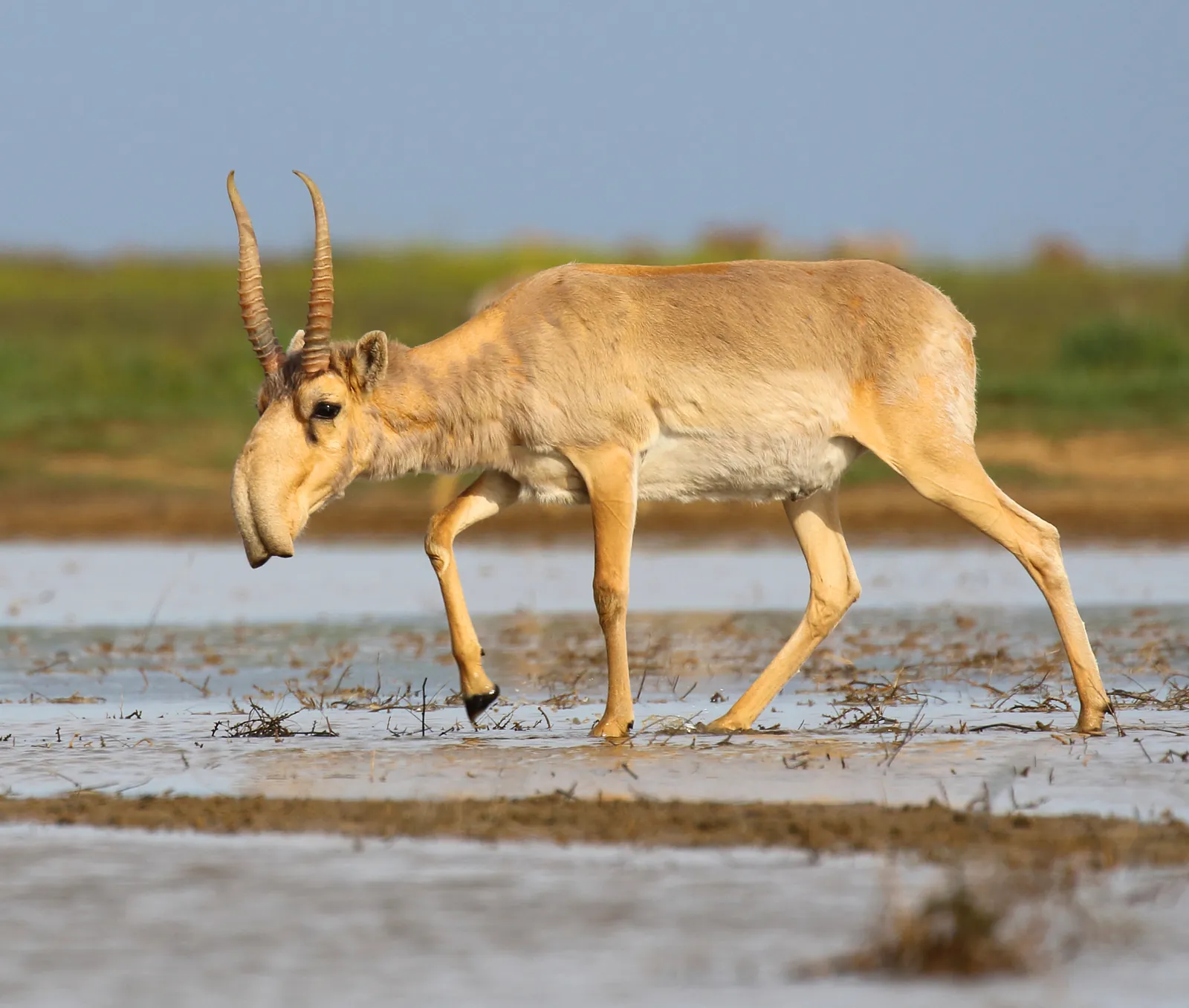
  • Saiga antelope — Photograph 1 of 1

    Saiga antelope

    Saiga tatarica

    Migratory antelope of open plains; the Saigachiy reserve aims to restore it.

    Desert speciesMammalsGood for photography

    Documented in: Ustyurt Plateau & Cliffs, Aral Sea

    Conservation status: Near Threatened (IUCN Red List, 2023)

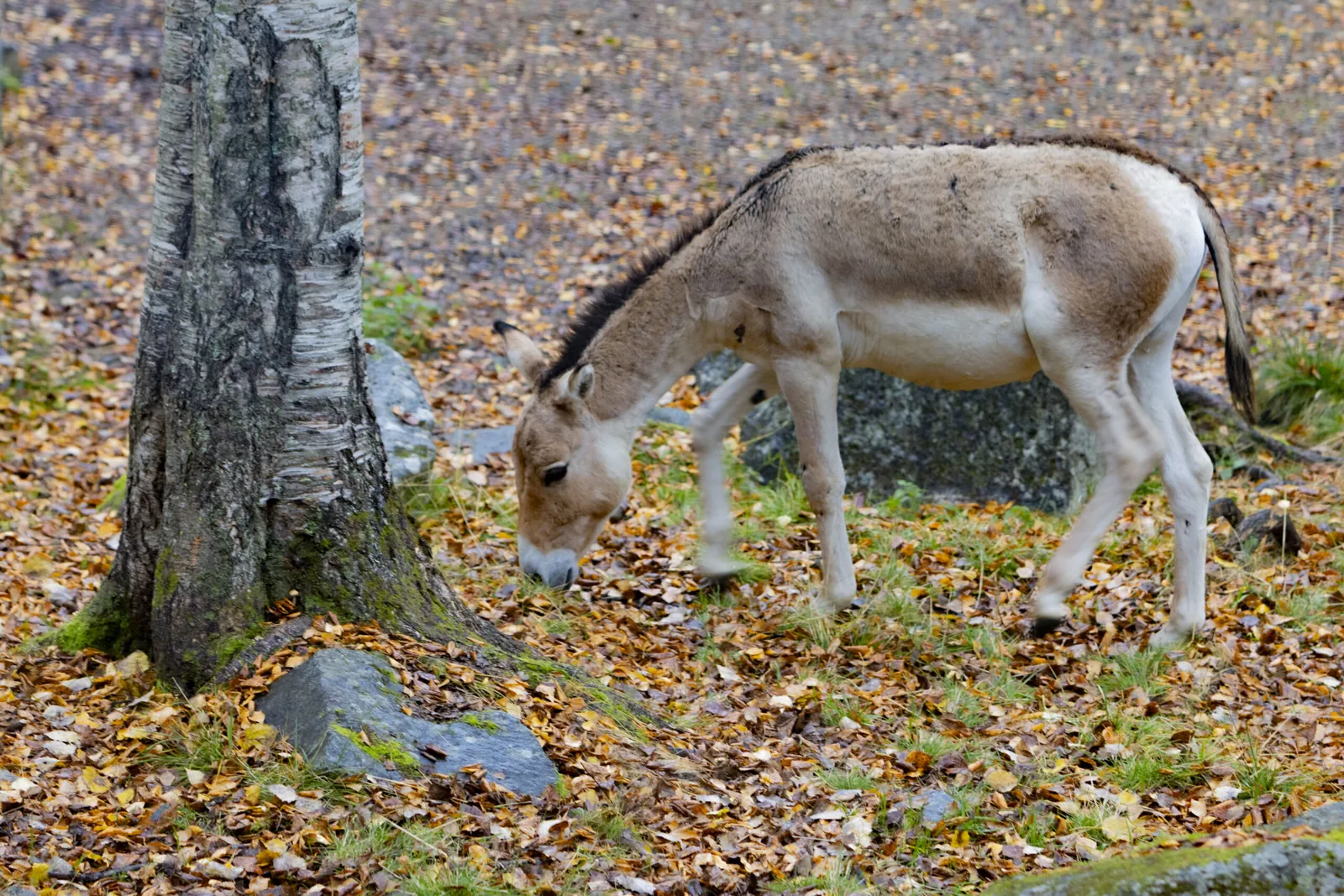
  • Turkmenian kulan — Photograph 1 of 1

    Turkmenian kulan

    Equus hemionus kulan

    Wild ass of Central Asian deserts, bred at the Jeyran Ecocentre.

    Desert speciesMammalsGood for photography

    Documented in: Jeyran Ecocentre

    Conservation status: Near Threatened (IUCN Red List, checked Nov 2026)

  • Przewalski's horse — Photograph 1 of 2Przewalski's horse — Photograph 2 of 2
    1 / 2

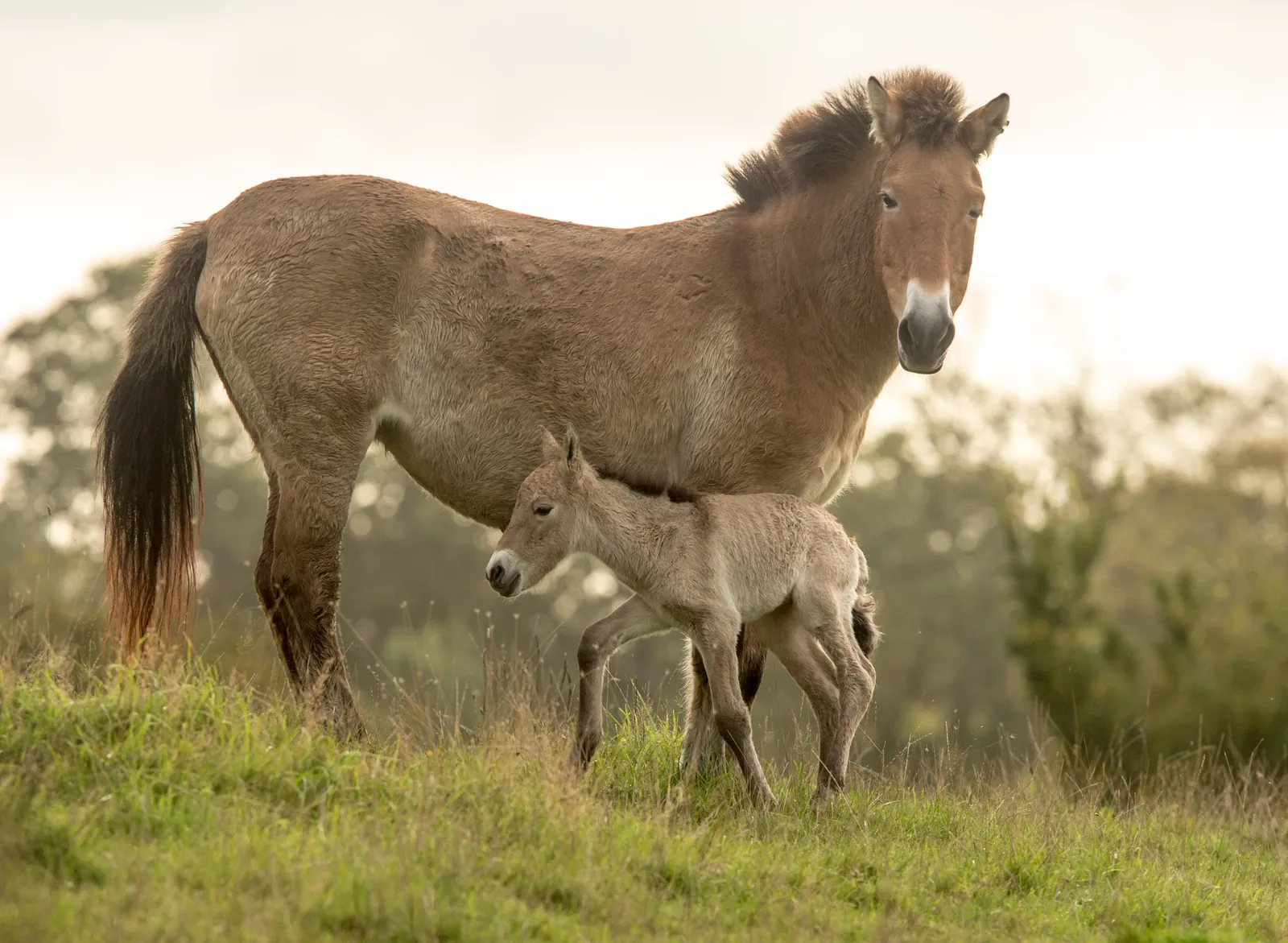
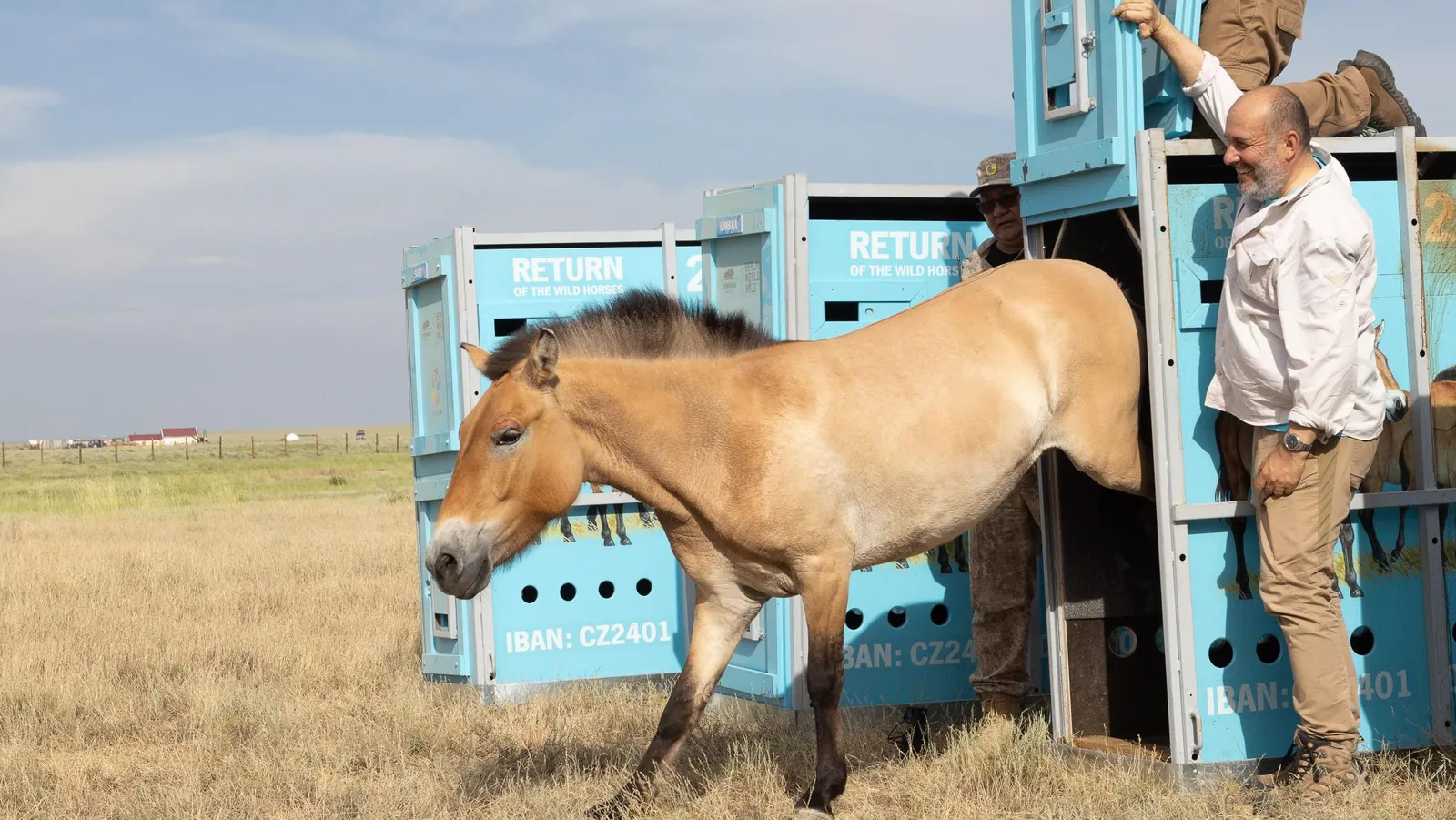
    Przewalski's horse

    Equus ferus przewalskii

    The only truly wild horse, kept at the Jeyran Ecocentre.

    Desert speciesMammalsGood for photography

    Documented in: Jeyran Ecocentre

    Conservation status: Endangered (IUCN Red List, checked Nov 2026)

  • Ustyurt urial — Photograph 1 of 1

    Ustyurt urial

    Ovis vignei arkal

    Wild sheep of the Ustyurt cliffs and the Sarykamysh depression.

    Desert speciesMammalsGood for photography

    Documented in: Ustyurt Plateau & Cliffs, Sarykamysh Lake

    Conservation status: Endangered — Red Book of Uzbekistan (Red Book of Uzbekistan (Ministry of Ecology), checked Nov 2026)

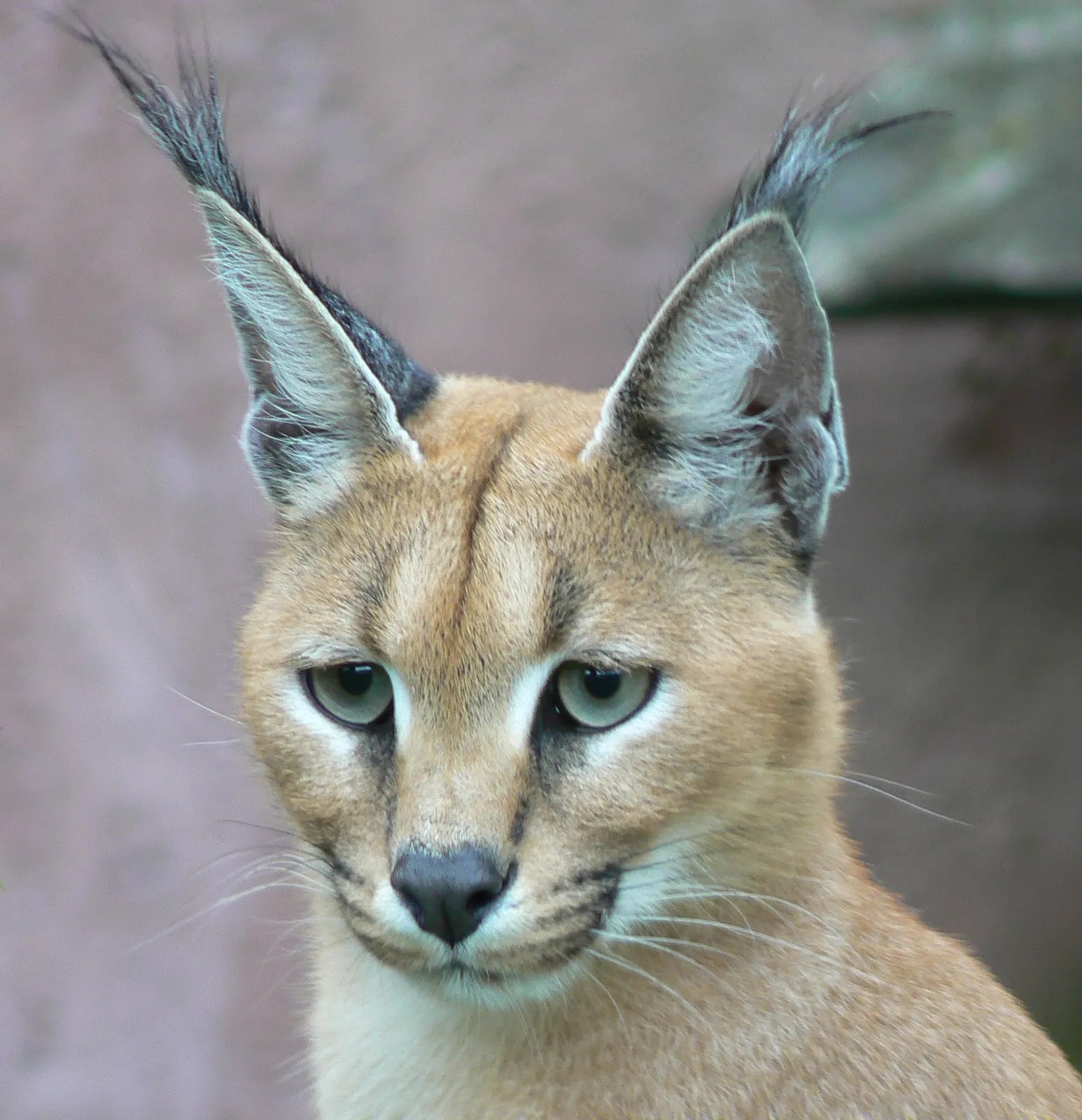
  • Caracal — Photograph 1 of 1

    Caracal

    Caracal caracal

    Desert cat with tufted ears, recorded by camera traps.

    Desert speciesMammals

    Documented in: Ustyurt Plateau & Cliffs, Aral Sea

    Conservation status: Not verified for this guide

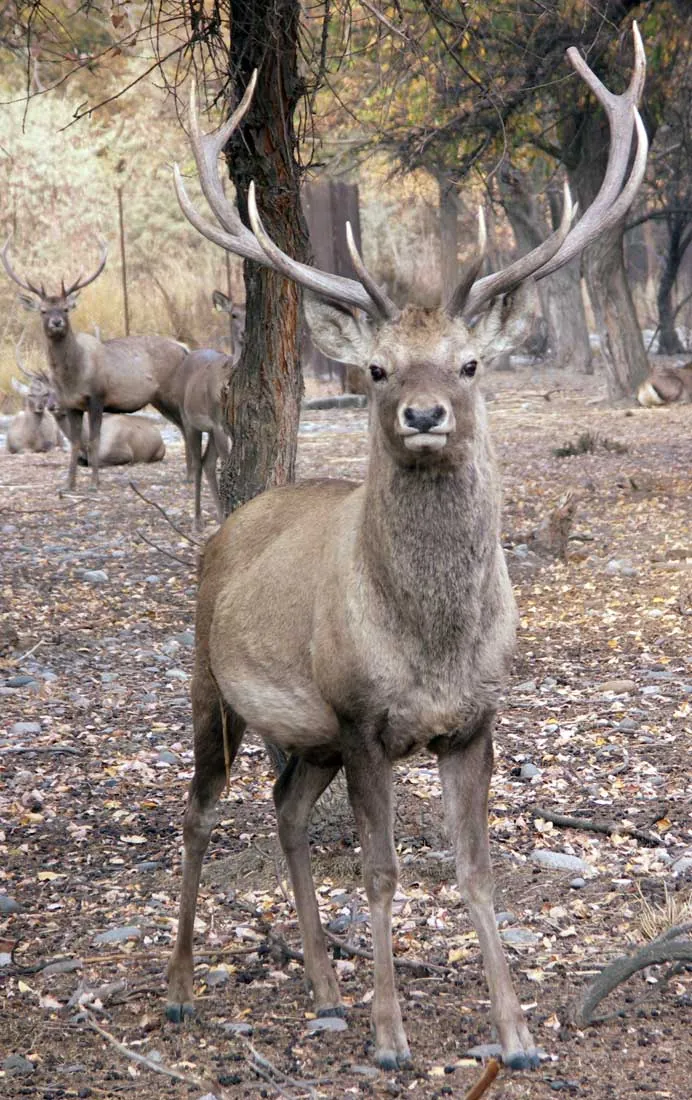
  • Bukhara deer — Photograph 1 of 1

    Bukhara deer

    Cervus hanglu bactrianus

    Deer of tugai river forests; largest population in the Lower Amudarya reserve.

    Wetland & water speciesMammalsGood for photography

    Documented in: Republic of Karakalpakstan

    Conservation status: Not verified for this guide

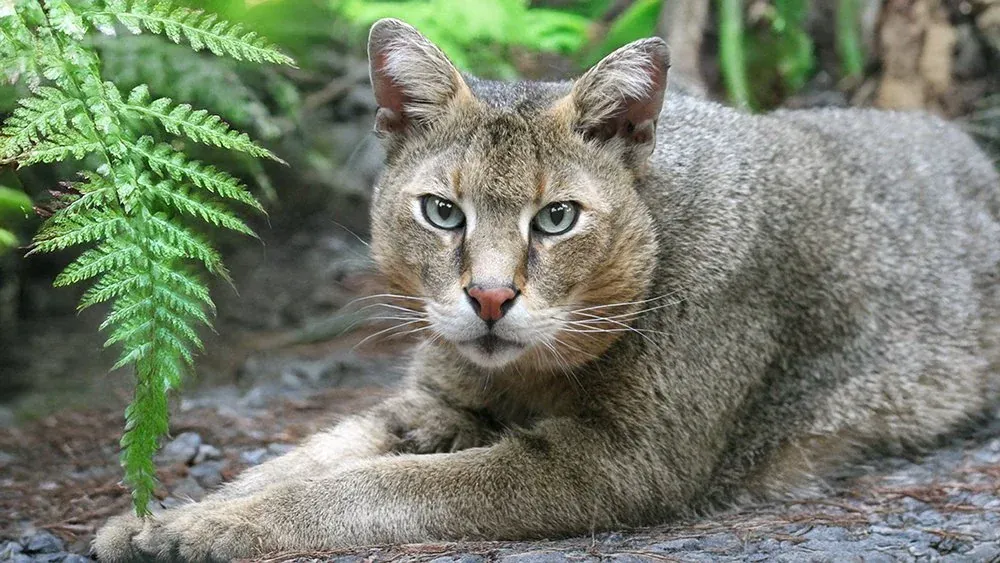
  • Jungle cat — Photograph 1 of 1

    Jungle cat

    Felis chaus

    Wild cat of reed beds and river forests.

    Wetland & water speciesMammals

    Documented in: Republic of Karakalpakstan

    Conservation status: Not verified for this guide

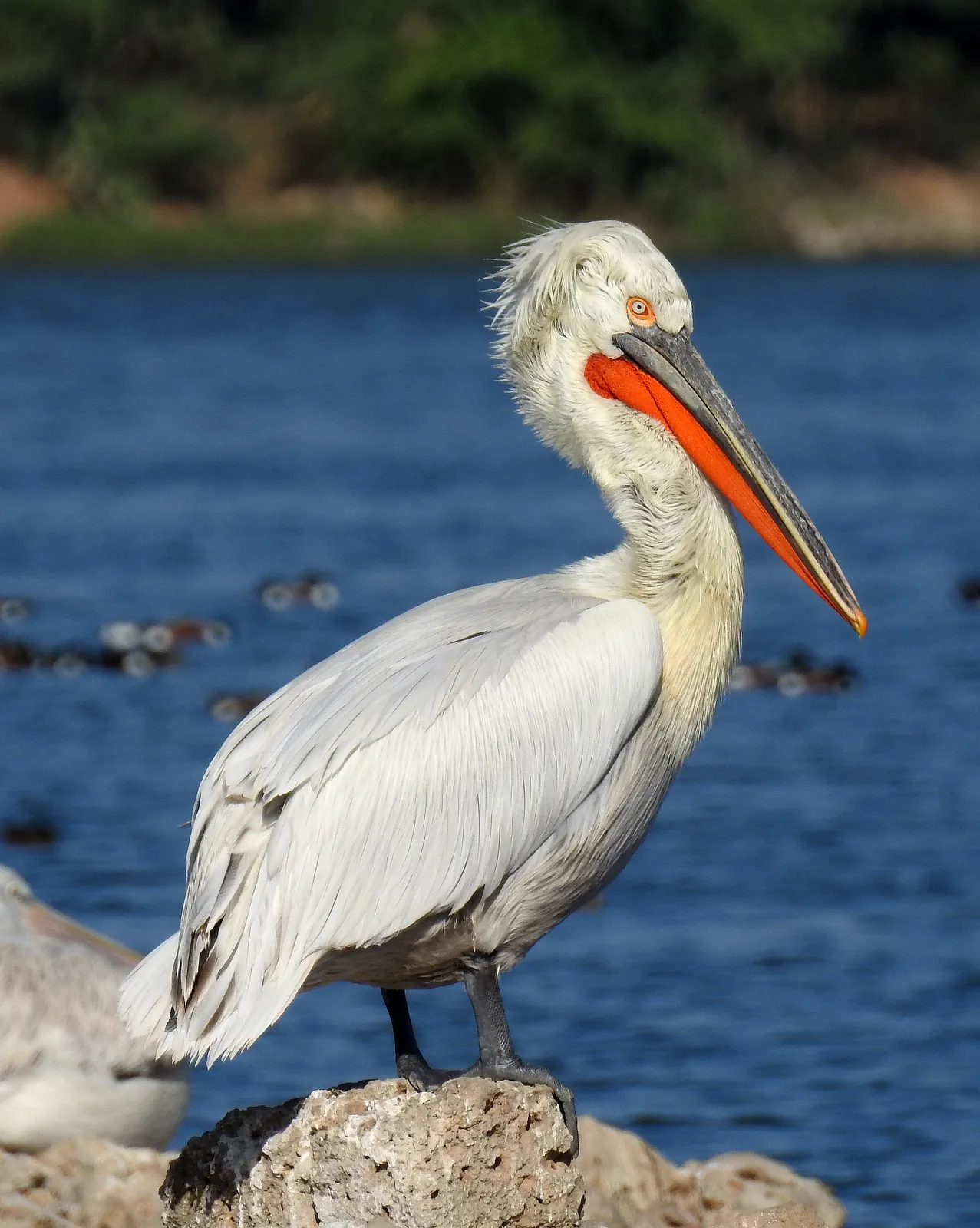
  • Dalmatian pelican — Photograph 1 of 1

    Dalmatian pelican

    Pelecanus crispus

    Large fish-eating bird; a key species of Sarykamysh Lake.

    Wetland & water speciesBirdsGood for photography

    Documented in: Sarykamysh Lake

    Conservation status: Not verified for this guide

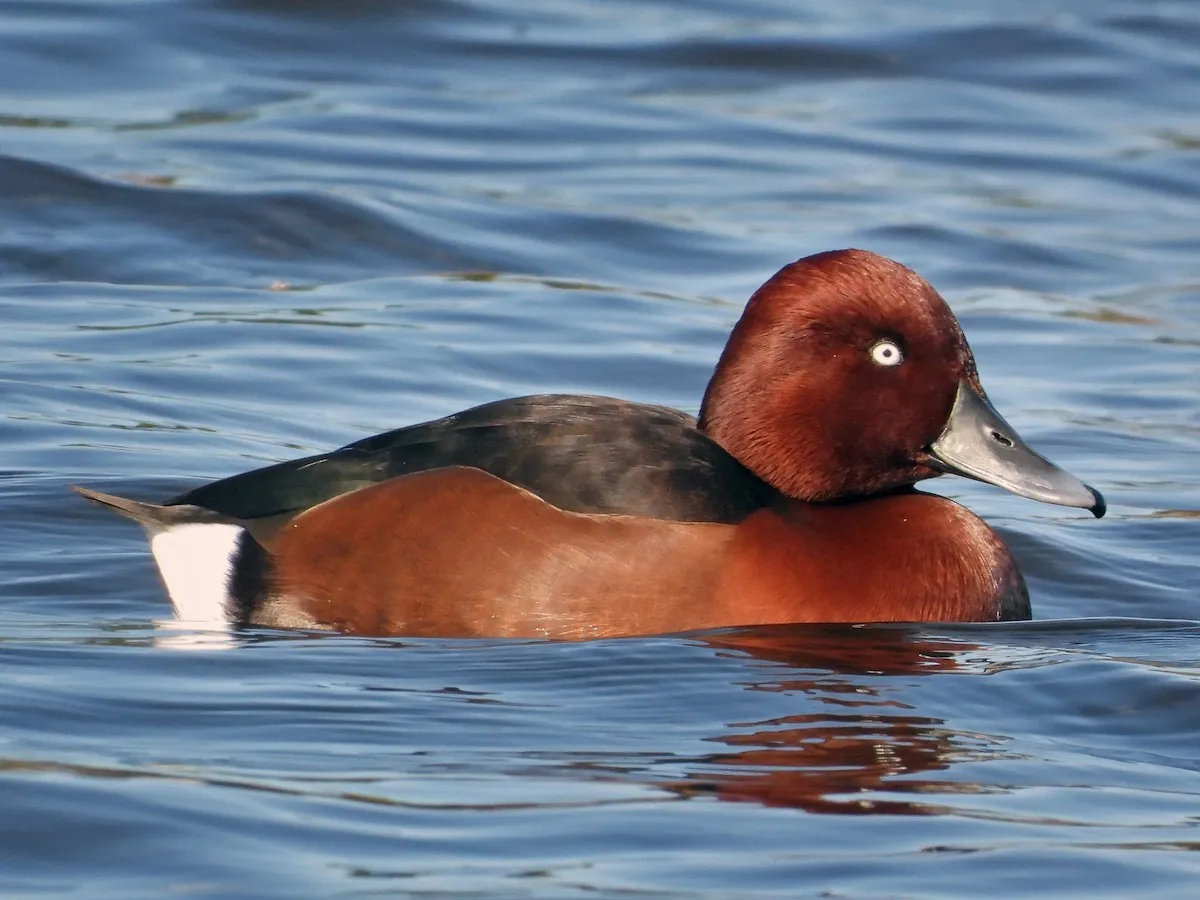
  • Ferruginous duck — Photograph 1 of 1

    Ferruginous duck

    Aythya nyroca

    Diving duck for which Sarykamysh is internationally recognised.

    Wetland & water speciesBirdsGood for photography

    Documented in: Sarykamysh Lake

    Conservation status: Not verified for this guide

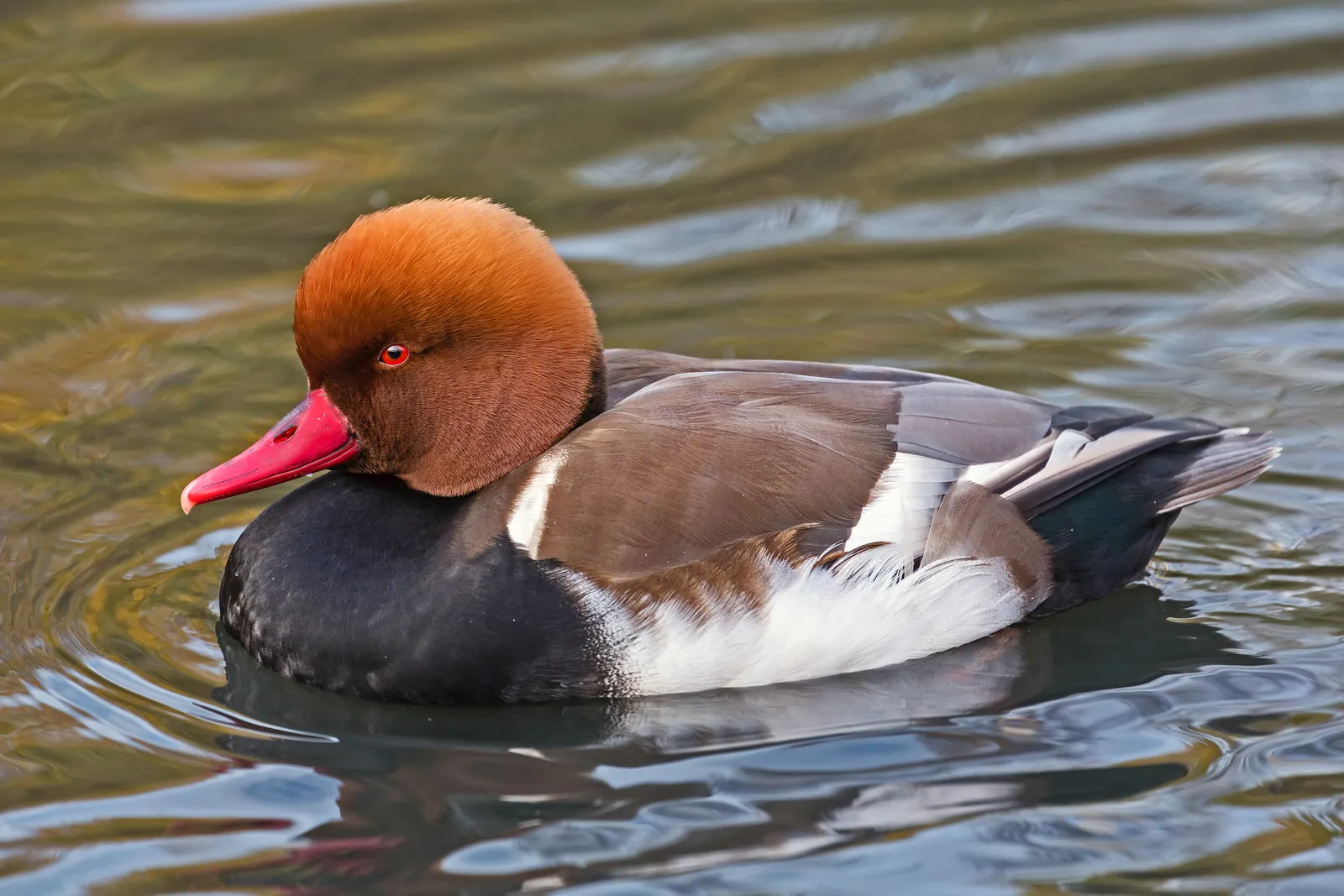
  • Red-crested pochard — Photograph 1 of 1

    Red-crested pochard

    Netta rufina

    Duck recorded on Sarykamysh Lake.

    Wetland & water speciesBirdsGood for photography

    Documented in: Sarykamysh Lake

    Conservation status: Not verified for this guide

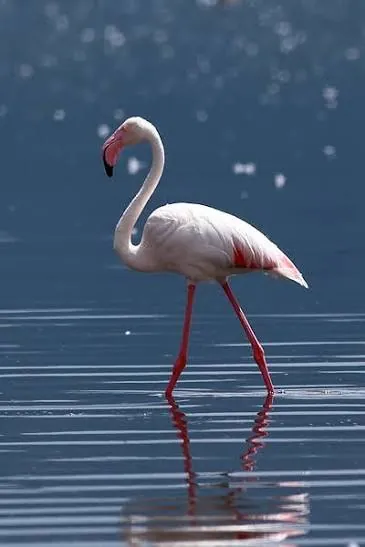
  • Greater flamingo — Photograph 1 of 1

    Greater flamingo

    Phoenicopterus roseus

    Filter-feeder of saline shallows, visits Sarykamysh.

    Wetland & water speciesBirdsGood for photography

    Documented in: Sarykamysh Lake

    Conservation status: Not verified for this guide

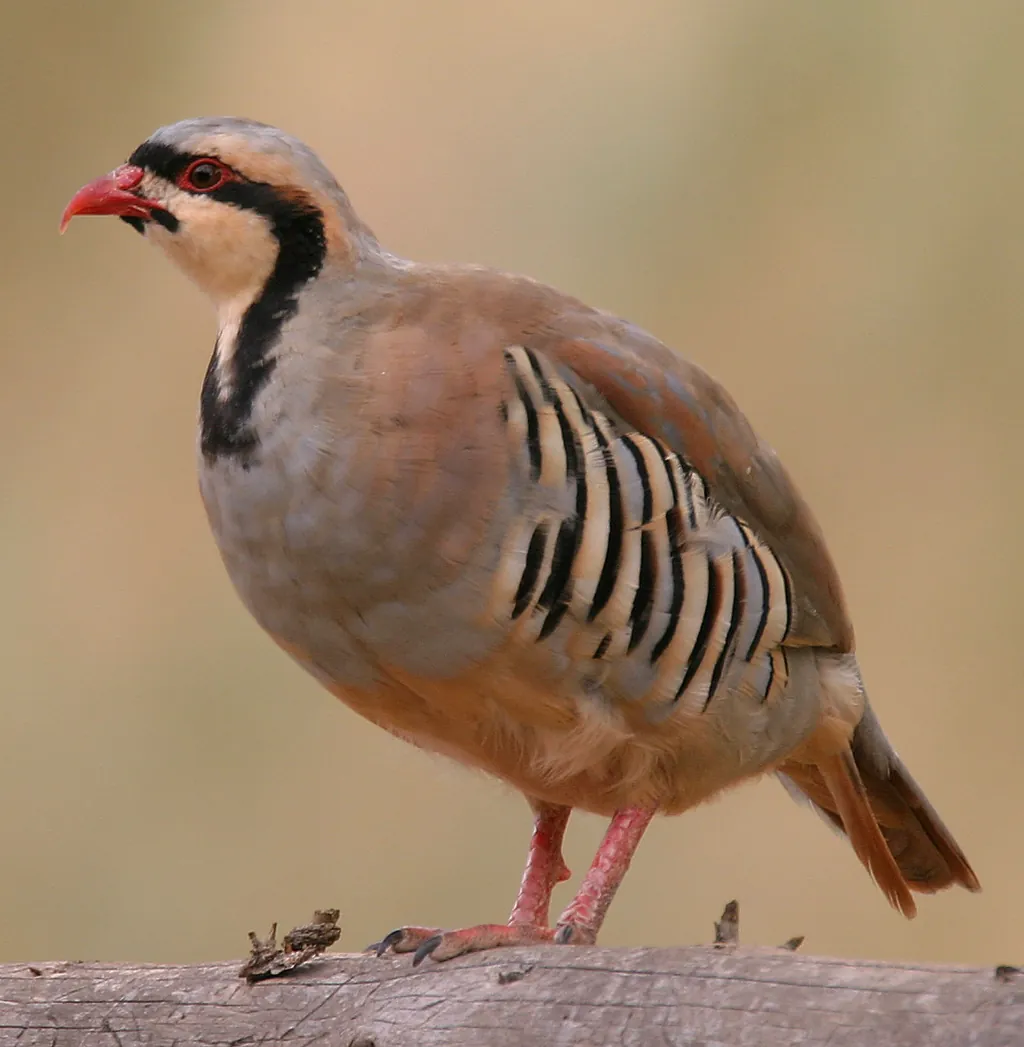
  • Chukar partridge — Photograph 1 of 1

    Chukar partridge

    Alectoris chukar

    Ground bird of rocky slopes in the Kuhitang.

    Mountain speciesBirdsGood for photography

    Documented in: Sherabad & Kuhitang Mountains

    Conservation status: Not verified for this guide

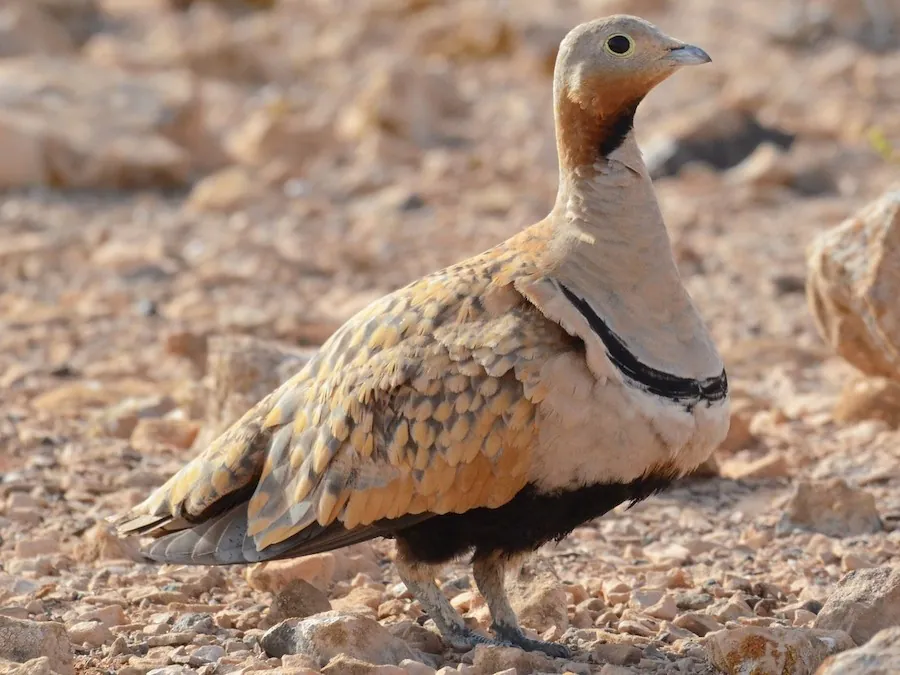
  • Black-bellied sandgrouse — Photograph 1 of 1
    Black-bellied sandgrouse
    Pterocles orientalis

    Desert bird photographed on the Ustyurt.

    Desert speciesBirdsGood for photography

    Documented in: Ustyurt Plateau & Cliffs

    Conservation status: Not verified for this guide

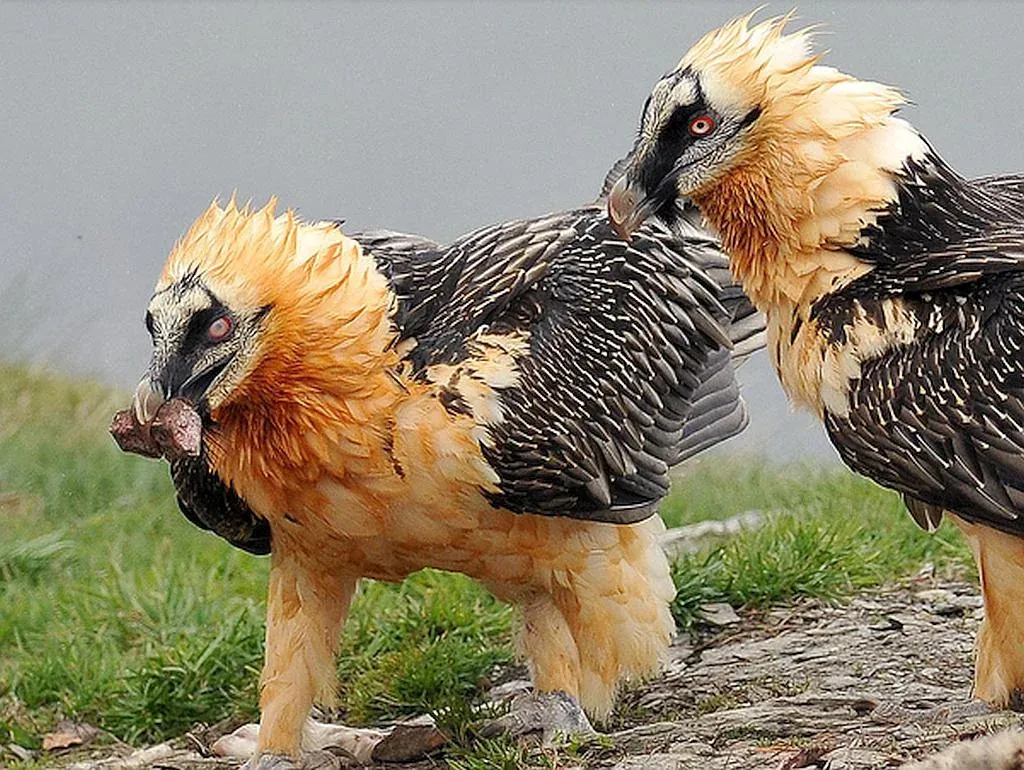
  • Bearded vulture — Photograph 1 of 1

    Bearded vulture

    Gypaetus barbatus

    Large mountain vulture of the Kuhitang, known for eating bones.

    Mountain speciesBirds of preyGood for photography

    Documented in: Sherabad & Kuhitang Mountains

    Conservation status: Not verified for this guide

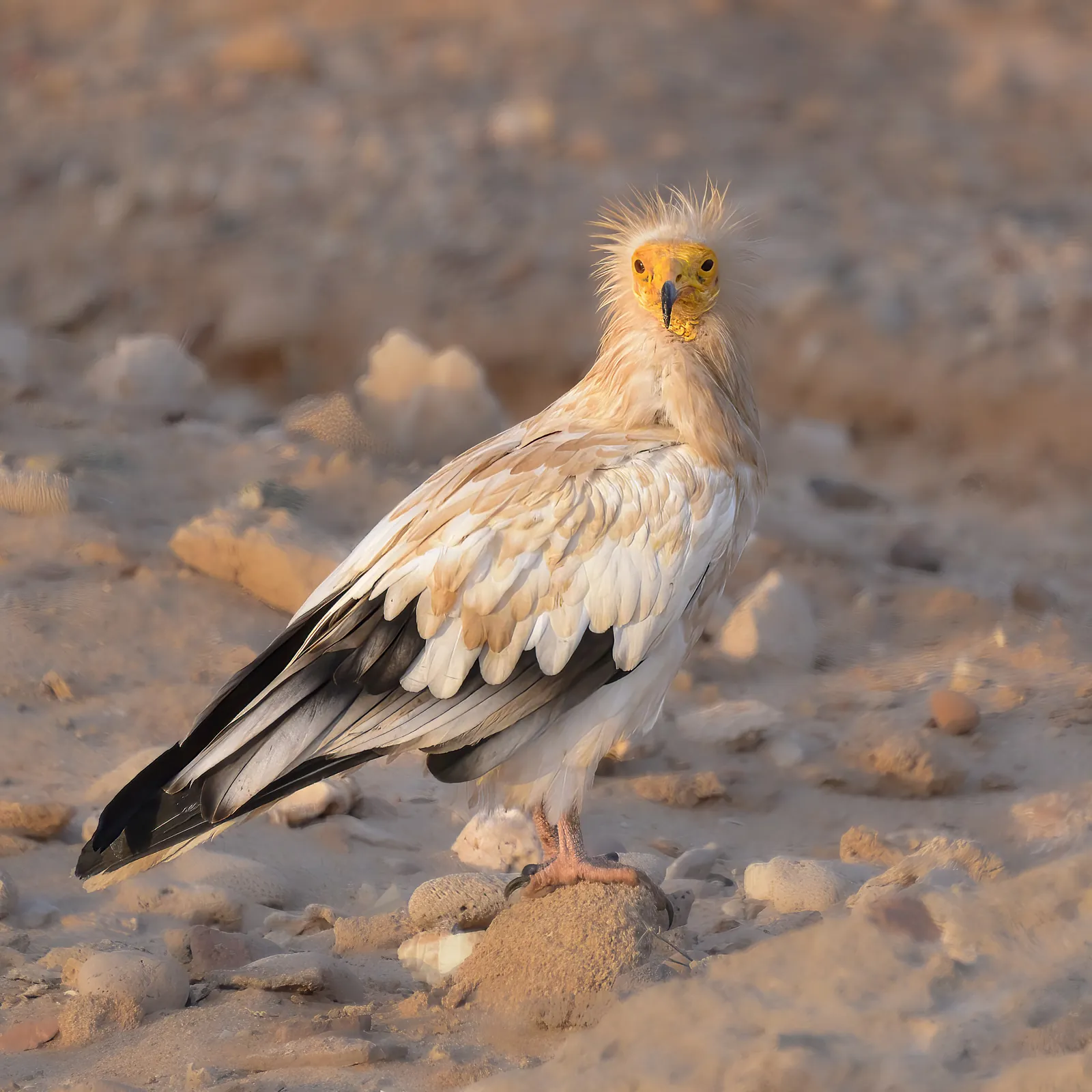
  • Egyptian vulture — Photograph 1 of 1

    Egyptian vulture

    Neophron percnopterus

    Small vulture recorded on the Ustyurt and in Karakalpakstan.

    Desert speciesBirds of preyGood for photography

    Documented in: Ustyurt Plateau & Cliffs, Republic of Karakalpakstan

    Conservation status: Not verified for this guide

Birdwatching guide

Birdwatching guide

  • Spring and autumn migration bring the greatest variety, especially at lakes and wetlands.
  • Early morning is the most active time for birds.
  • Bring binoculars (8x or 10x) and a field guide or app.
  • Keep well back from nests, colonies and resting flocks.
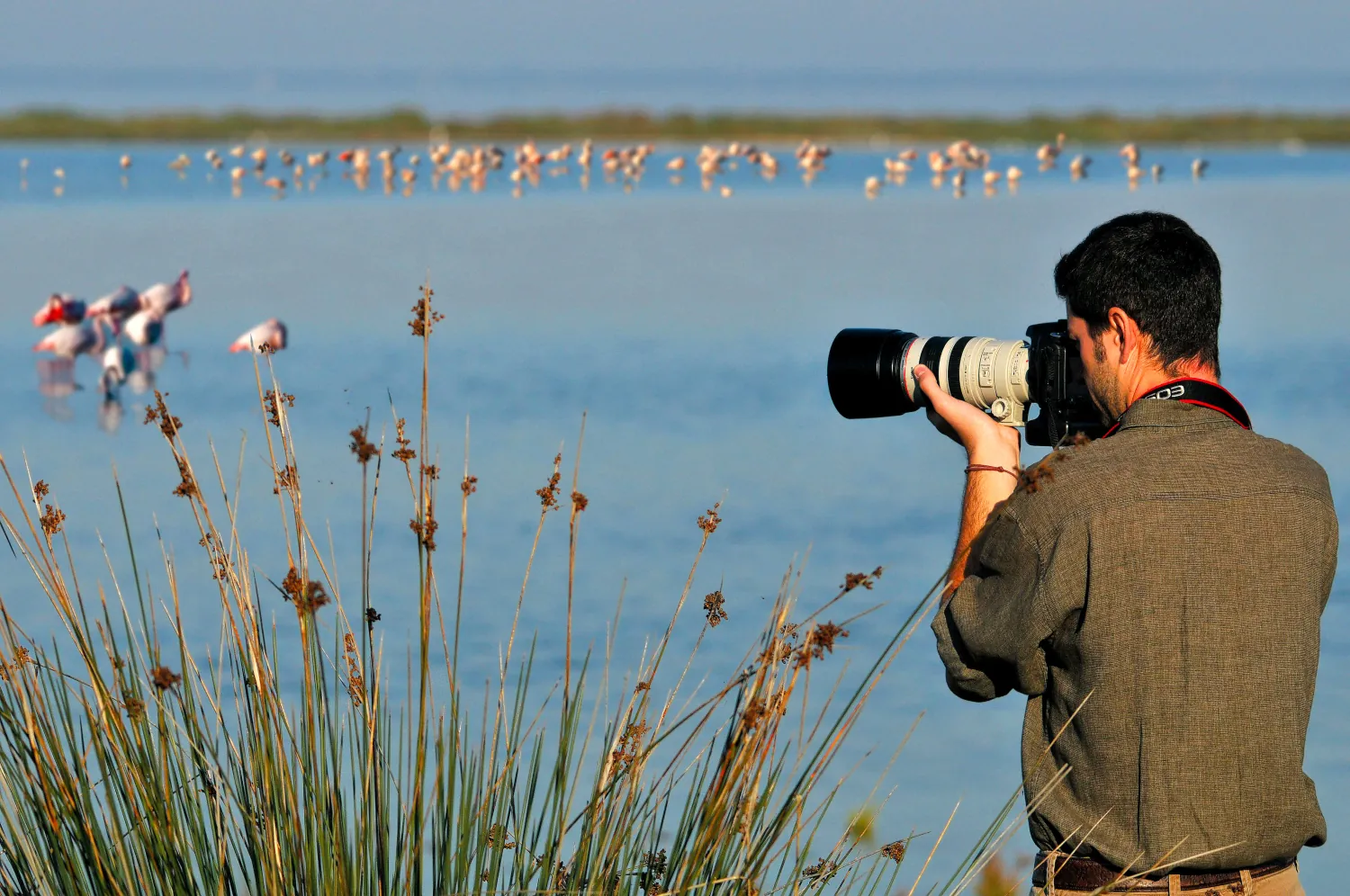
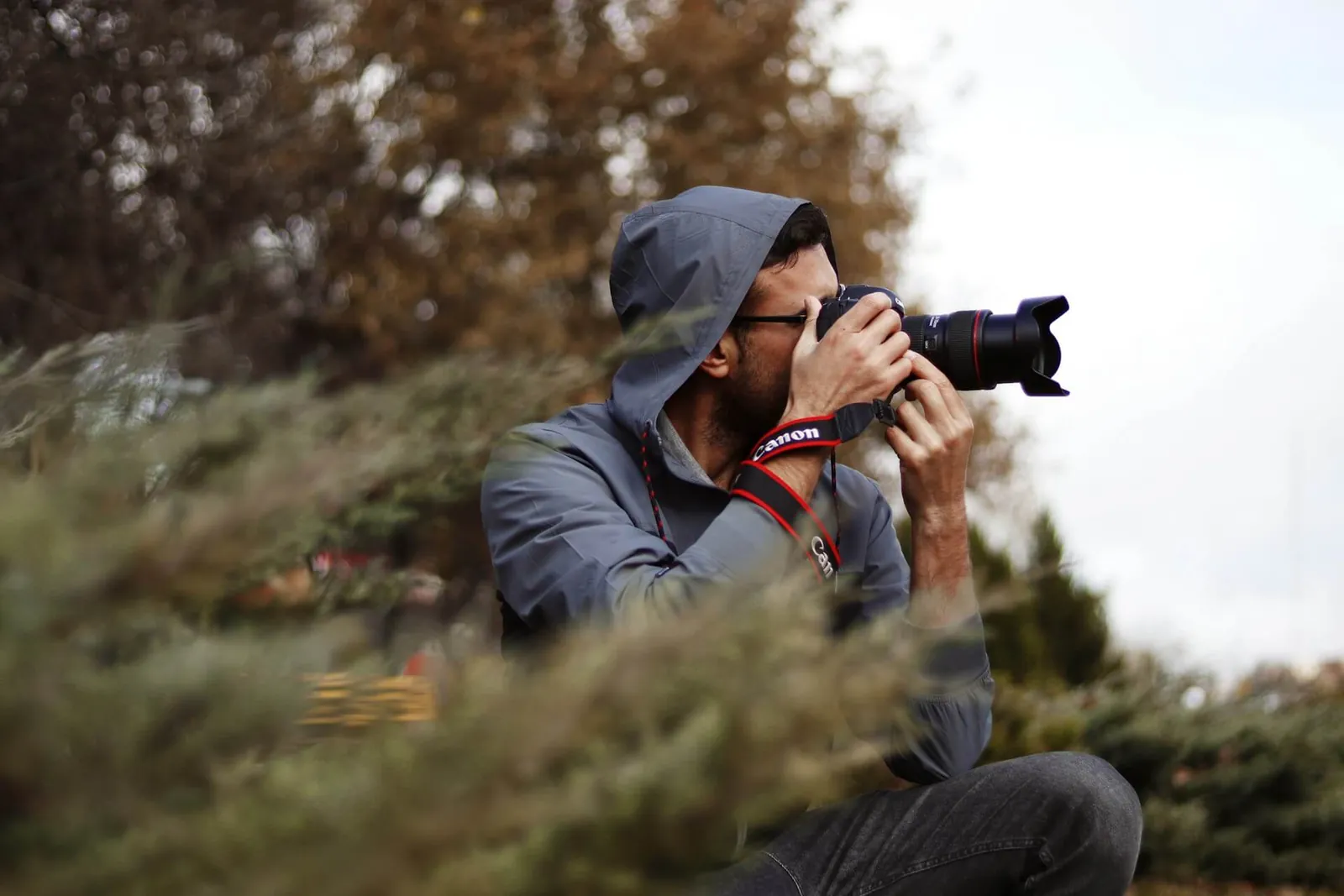
Nature photography guide

Nature photography guide

  • Golden hours — after sunrise and before sunset — give the best light in deserts and mountains.
  • A telephoto lens (300 mm or more) helps you keep a respectful distance from wildlife.
  • Protect gear from dust and sand; carry spare batteries in cold weather.
  • Ask before photographing people, especially in villages.

Responsible wildlife photography

Animal welfare always comes before a photograph.

  1. 01Keep a respectful distance from wild animals.
  2. 02Never chase, corner or disturb wildlife.
  3. 03Do not feed wild animals.
  4. 04Avoid disturbing nests and breeding sites.
  5. 05Follow ranger and guide instructions.
  6. 06Respect protected-area restrictions.
  7. 07Do not disclose sensitive locations of endangered species.
  8. 08Prioritise animal welfare over getting a photograph.

Expedition preparation

General advice for nature trips in Uzbekistan. Destination-specific requirements are listed in each guide and confirmed before travel.

General advice

  • Clothing and footwearLayers for hot days and cold nights; sturdy, broken-in walking shoes.
  • Water and foodCarry more water than you think you need, especially in deserts.
  • Sun and cold protectionHat, sunglasses, sunscreen — and a warm layer even in summer in the mountains.
  • BinocularsEssential for birdwatching and for watching wildlife from a distance.
  • Camera and lensesA telephoto lens for wildlife, a wide lens for landscapes.
  • Batteries and memory cardsSpares for both — charging is limited on remote trips.
  • First aidA basic kit plus your personal medicines.
  • Offline mapsDownload maps before you go; mobile coverage can be absent.
  • CommunicationAgree contact plans with your guide; remote areas may have no signal.
  • Weather and roadsConditions change by season — routes are confirmed before departure.