Republic of Karakalpakstan
North-western Uzbekistan — Amu Darya delta and Ustyurt Plateau
River forests, open desert, wetlands and the dramatic cliffs of the Ustyurt Plateau.
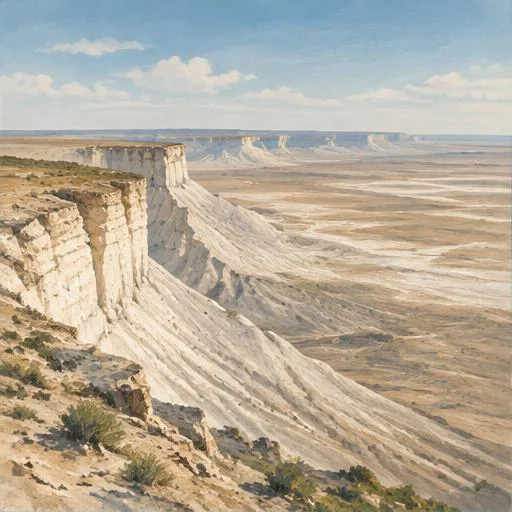
Conceptual illustration — not a location photograph.
Karakalpakstan covers the north-west of Uzbekistan, between the Kyzylkum Desert, the lower Amu Darya and the Ustyurt Plateau. Few places show such contrast: green tugai river forests beside open desert, wetlands full of birds, and the sheer cliffs of the plateau edge.
Two very different protected areas show this diversity: the Lower Amudarya State Biosphere Reserve, home to the world's largest population of Bukhara deer, and the vast Southern Ustyurt National Nature Park, which reaches all the way to Sarykamysh Lake.
0 ha
Lower Amudarya State Biosphere Reserve
0 Bukhara deer
Counted in the reserve in spring 2024
0 ha
Southern Ustyurt National Nature Park
0 bird species
Recorded in the Lower Amudarya reserve
What makes it special
Tugai — forests in the desert
Along the Amu Darya grow tugai forests of desert poplars, oleaster, willow and tamarisk. They are an endangered ecosystem under heavy human pressure, and a lifeline for wildlife.
Geography & landscape
Karakalpakstan is an autonomous republic within Uzbekistan and its largest administrative unit. It includes the lower course and delta of the Amu Darya, part of the Kyzylkum Desert, the Uzbek part of the Ustyurt Plateau and the southern part of the former Aral Sea bed.
The Ustyurt is a high, flat desert plateau. Its edges drop in steep cliffs over surrounding depressions such as Sarykamysh. The Amu Darya, by contrast, created a flat, fertile delta where river forests and wetlands grow.
Areas shown are those of protected areas, not of the whole Republic of Karakalpakstan.
Landscape features
Amu Darya delta
River channels, floodplain forests, lakes and reed beds in an otherwise arid land.
Ustyurt Plateau
A vast stony desert plateau bordered by dramatic cliffs.
Kyzylkum and Aralkum deserts
Sand and salt deserts to the east and north, including the dried Aral seabed.
Protected areas
Karakalpakstan's protected areas cover very different ecosystems — river forests, desert, plateau and wetlands.
State biosphere reserve
Lower Amudarya State Biosphere Reserve
- Area
- 68,717.8 ha ≈ 687 km²
- Established
- 26 August 2011
Core zone 11,568.3 ha · buffer zone 6,731.4 ha · transition zone 50,418.1 ha.
Protects tugai river forests of the Amu Darya. About 419 plant species and 348 vertebrate species are recorded: 41 fish, 2 amphibians, 24 reptiles, 243 birds and 38 mammals.
Visitor access: The core zone is strictly protected. Visits are possible only in permitted zones and by arrangement.
National nature park
Southern Ustyurt National Nature Park
- Area
- 1,447,143 ha ≈ 14,471 km²
- Established
- 11 November 2020
Protected zone 934,584 ha · recreational zone 69,515 ha · economic zone 443,044 ha.
Located in Kungrad district. The park includes the Sarykamysh and Kurukkul lakes and the Asake-Audan and Kaplankyr areas. About 149 animal species are recorded, 36 of them in the Red Book of Uzbekistan.
Visitor access: A national park has recreational zones intended for visitors. Routes in this remote area must be arranged in advance.
Wildlife
Species recorded in Karakalpakstan's protected areas by official sources and camera traps. Wildlife is wild and wary — sightings cannot be promised.
Species shown are documented in the area by official or scientific sources. Wild animals are shy and sightings are never guaranteed.
Mammal
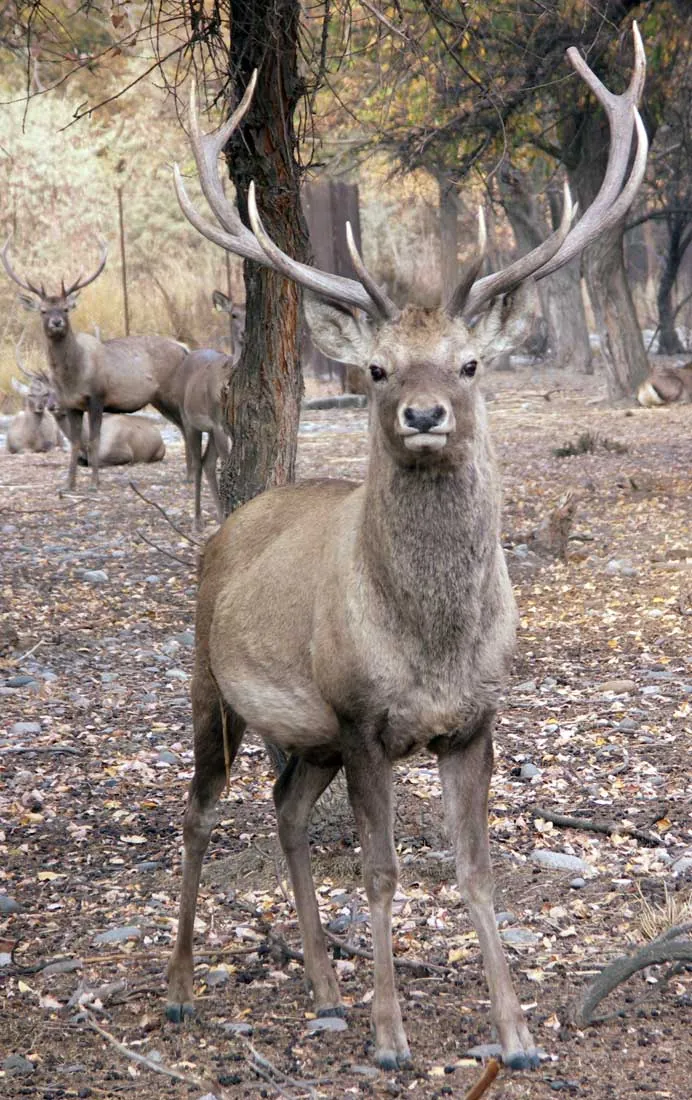
Bukhara deer
Cervus hanglu bactrianus
A deer of tugai river forests. The Lower Amudarya reserve holds the world's largest population: 1,566 animals were counted in spring 2024.
Role in the ecosystem: A conservation success story and a symbol of healthy tugai forests.
Mammal
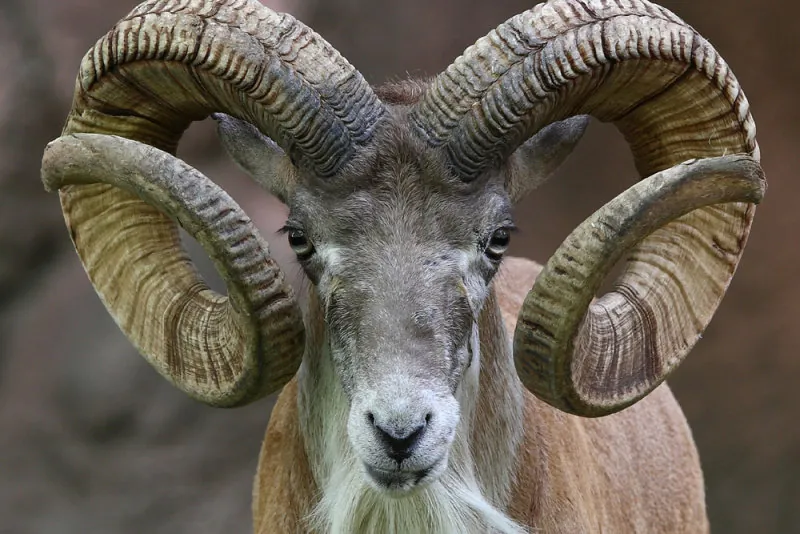
Transcaspian urial
Ovis vignei arkal
A wild sheep of the Ustyurt cliffs, recorded by camera traps in Southern Ustyurt, including on the cliffs of the Sarykamysh depression.
Conservation status: Endangered in the Red Book of Uzbekistan
Role in the ecosystem: An indicator of undisturbed plateau habitat.
Mammal
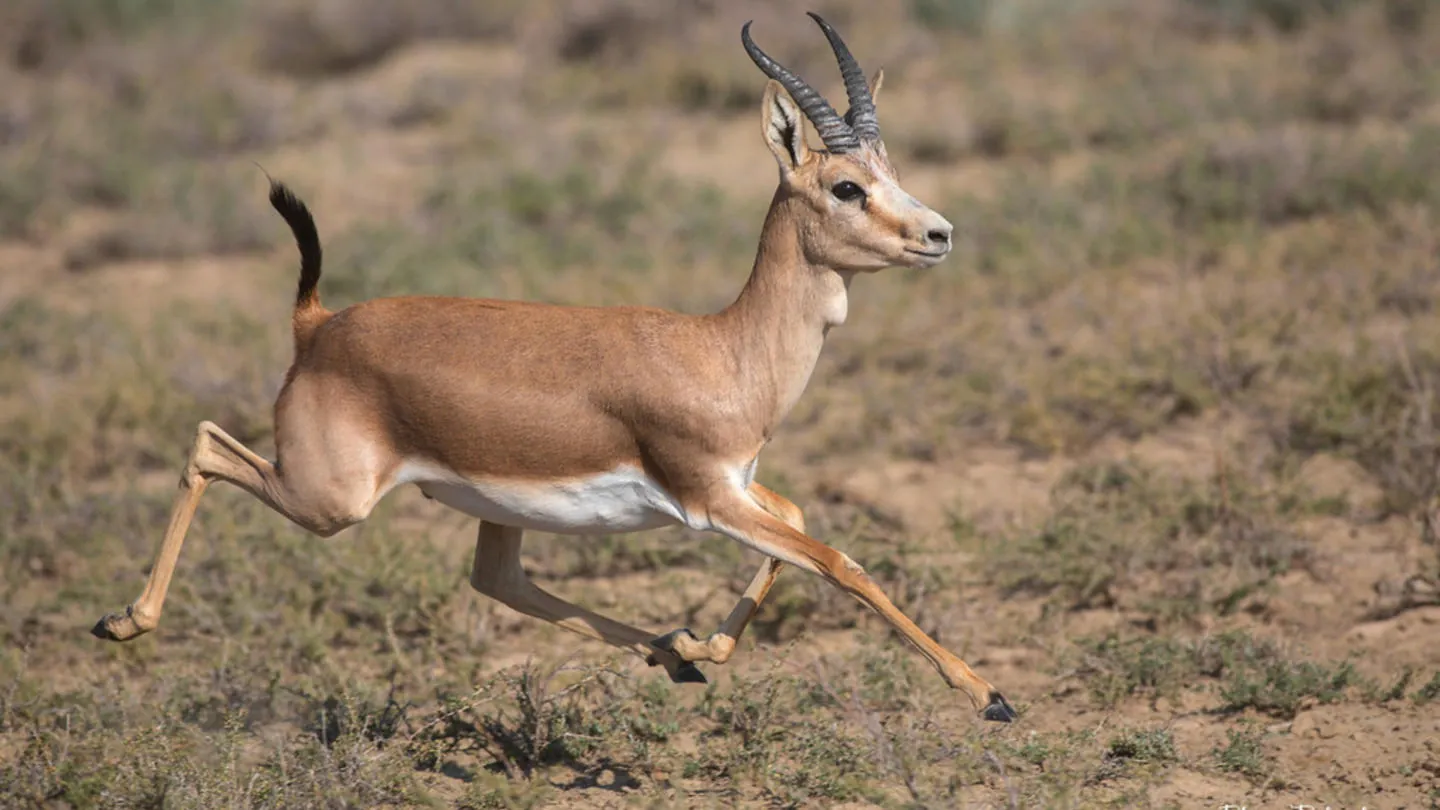
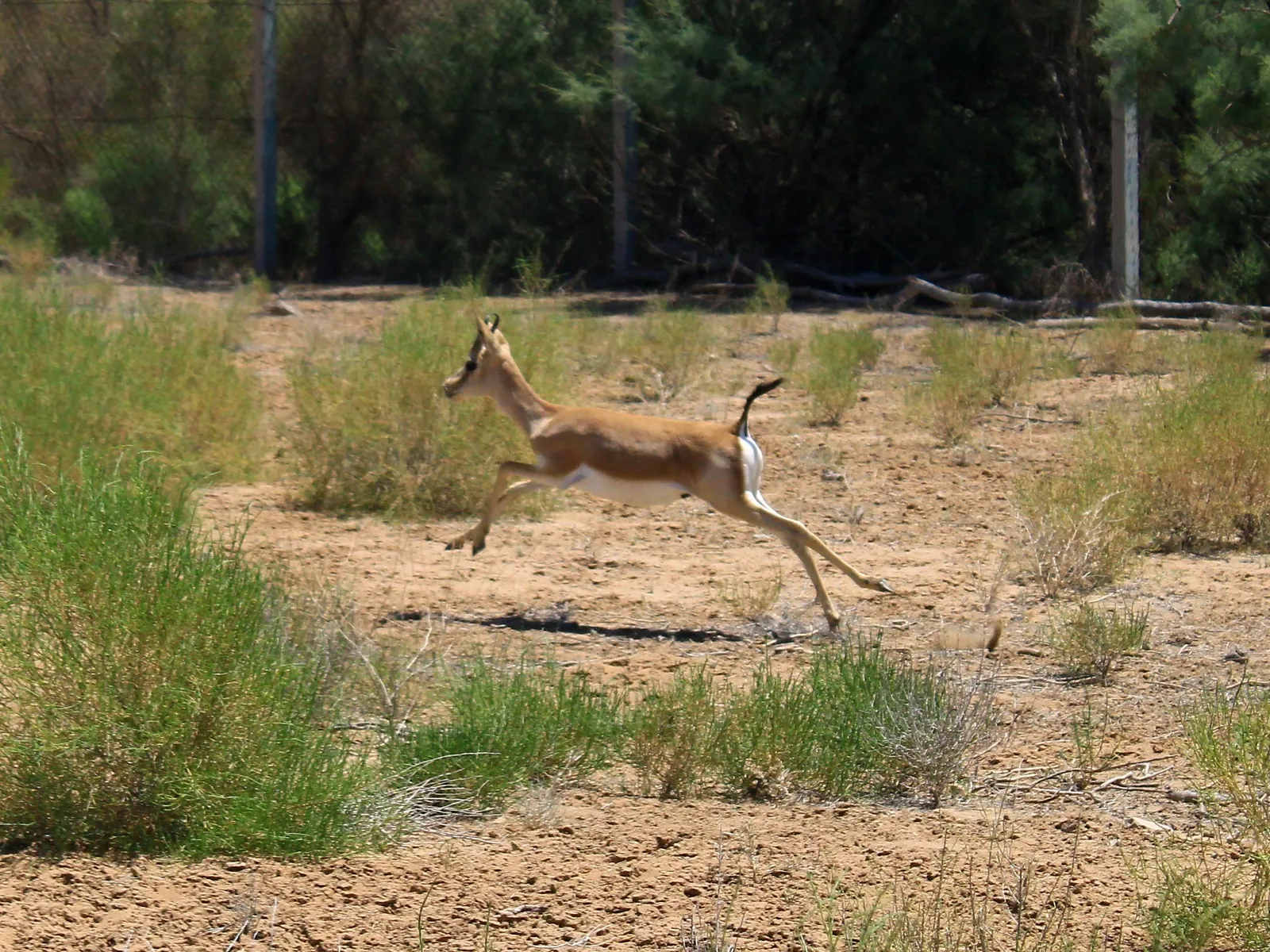
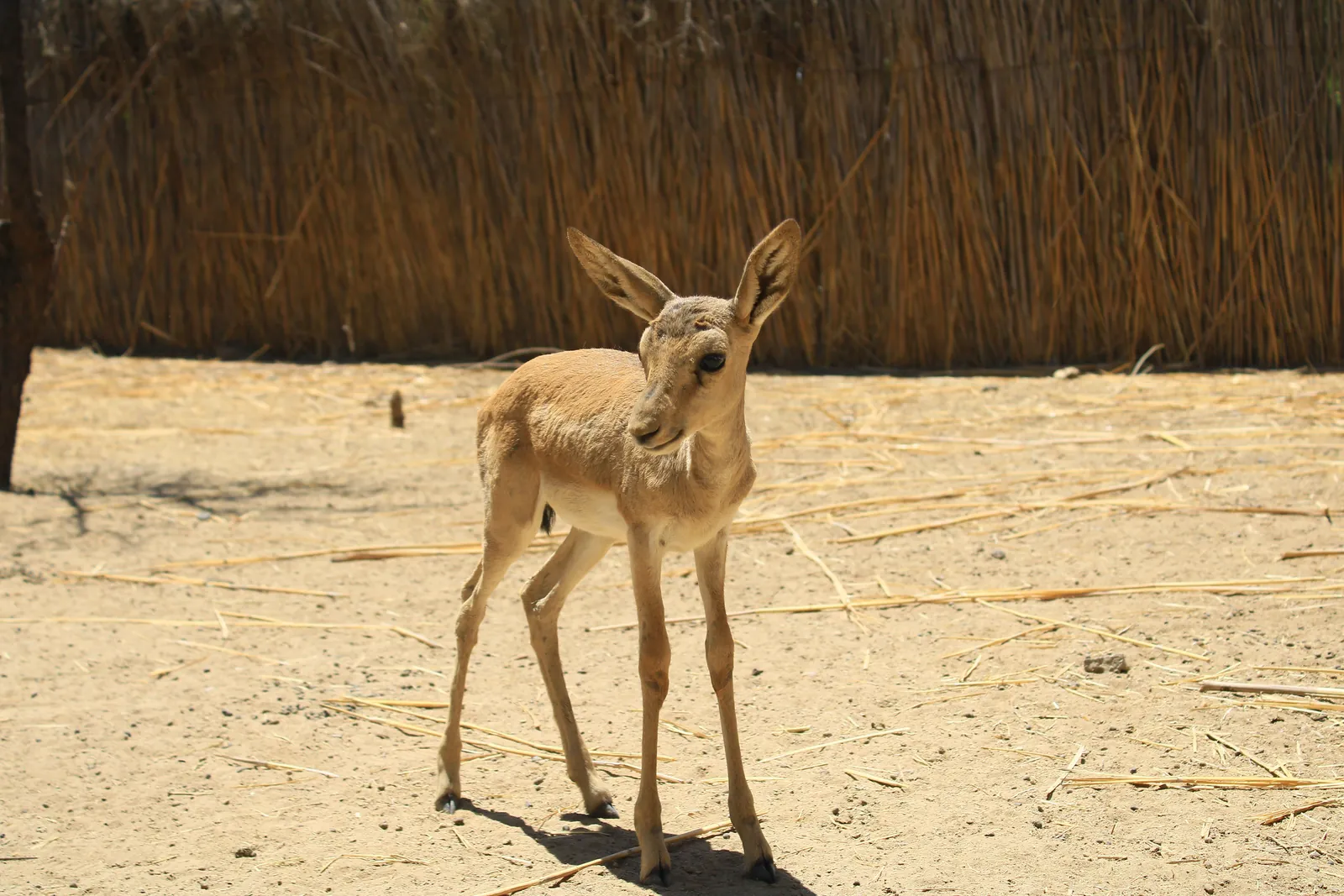
Goitered gazelle
Gazella subgutturosa
An antelope of open desert, recorded in Southern Ustyurt alongside wolves.
Role in the ecosystem: A key grazer and prey species of the desert.
Mammal
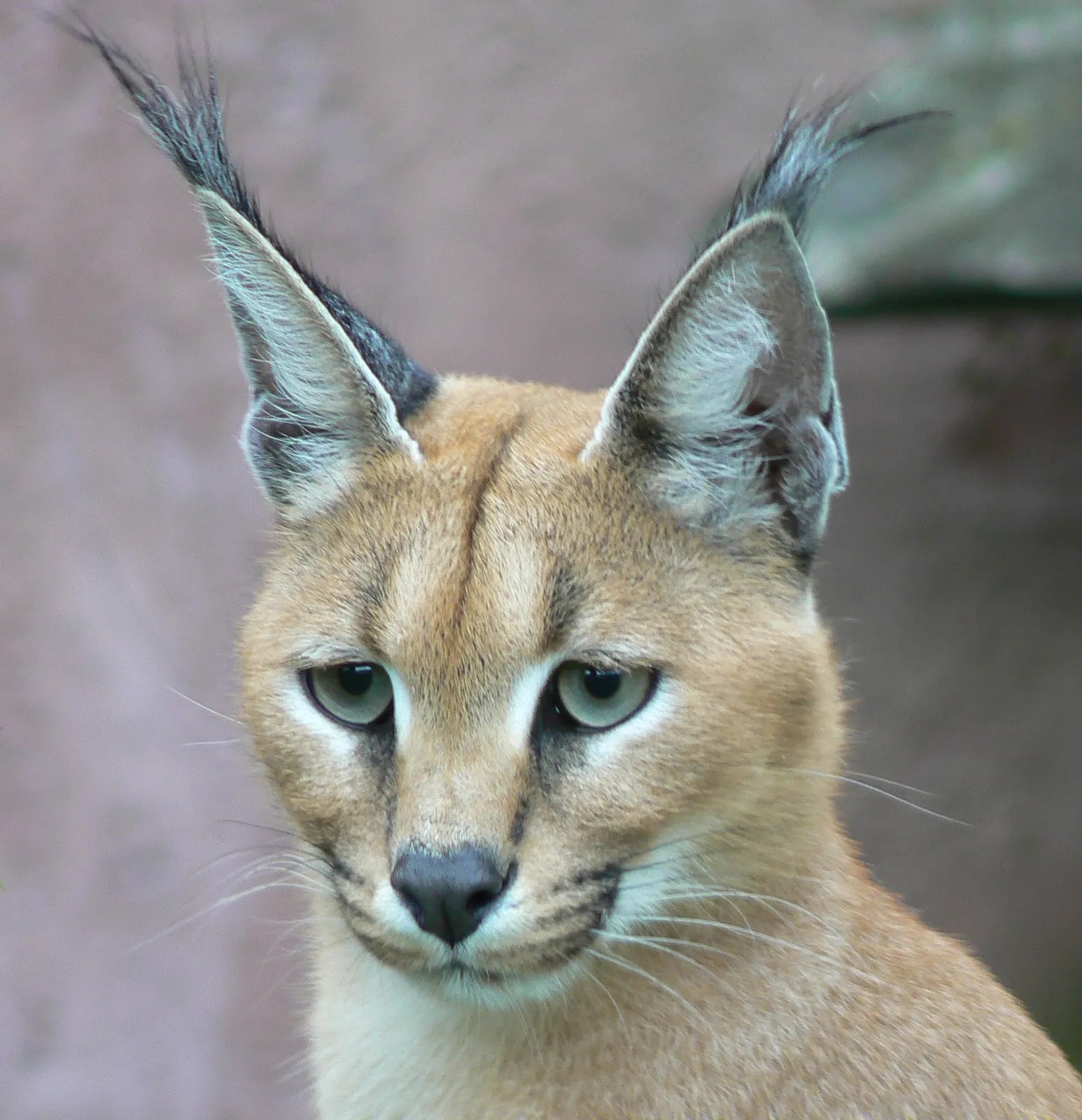
Caracal
Caracal caracal
A desert cat with tufted ears, captured by camera traps in Southern Ustyurt.
Role in the ecosystem: A predator controlling rodents and birds.
Mammal
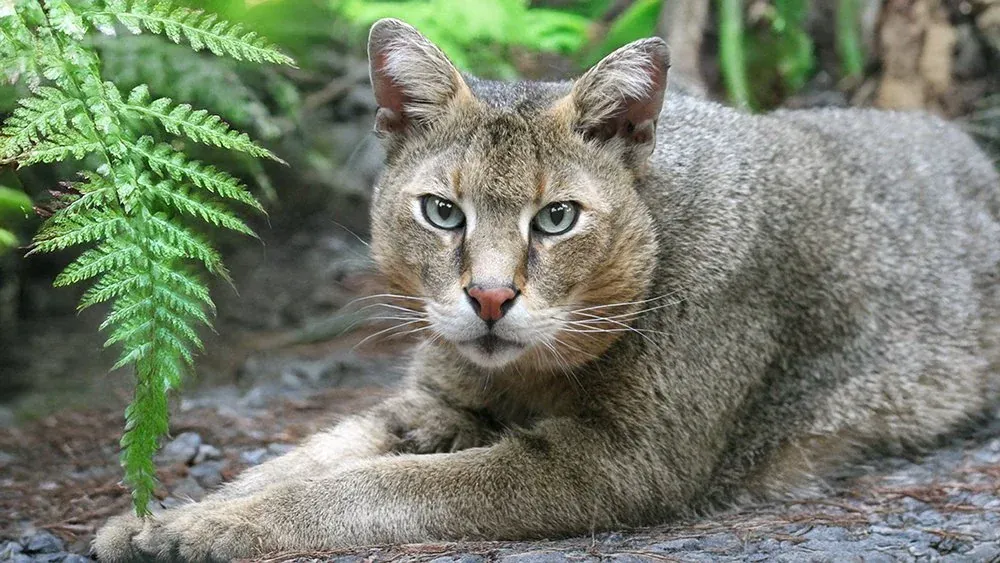
Jungle cat
Felis chaus
A wild cat of reed beds and river forests, recorded in the Lower Amudarya reserve.
Role in the ecosystem: A predator of wetland and tugai habitats.
Bird
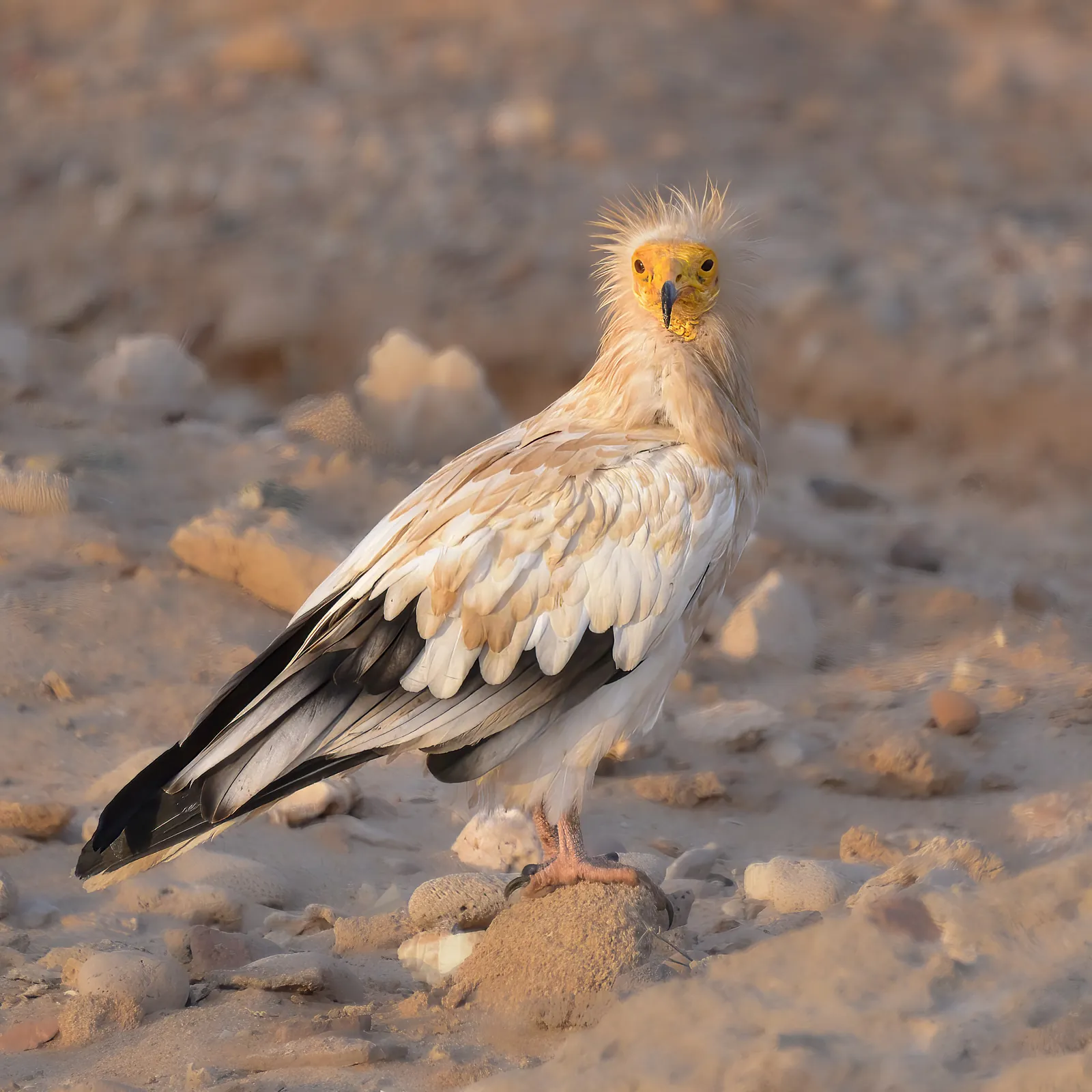
Egyptian vulture
Neophron percnopterus
A small vulture photographed in Southern Ustyurt.
Role in the ecosystem: A scavenger that helps keep the desert clean.
Plants & vegetation
Plant life here is defined by water. Where the river reaches, forests grow; elsewhere only drought- and salt-tolerant plants survive.
Desert poplars (turanga)
Populus euphratica, P. pruinosa
The main trees of tugai forests, adapted to heat and saline soils near rivers.
Oleaster and willow
Elaeagnus angustifolia, Salix spp.
Common companions of poplars in the river forests.
Tamarisk
Tamarix spp.
Hardy shrubs that tolerate salt and drought, often more resilient than poplars.
Reeds
Dense reed beds along channels and lakes shelter birds and small mammals.
Experiences
Outdoor experiences
Desert and plateau exploration
Guided journeys across remote landscapes, arranged around access and season.
Wildlife & nature observation
Birdwatching
Wetlands and lakes attract migratory and water birds, especially in spring and autumn.
Wildlife & nature observation
Nature observation
Looking for wildlife in permitted areas, with patience and respect.
Photography
Cliff and desert photography
Ustyurt escarpments and wide horizons, best at sunrise and sunset.
Culture
Karakalpak heritage
Discovering local culture and the history of communities of the delta.
All activities depend on season, access and the operator's confirmation.
Gallery
Real photographs of this destination will be added here. Until then we show a conceptual illustration, clearly labelled — never a photograph of another place.
Did you know?
- Tugai forests are found along the main rivers of Central Asia's drylands and are considered an endangered ecosystem.
- Southern Ustyurt National Nature Park is larger than 14,000 km².
Practical information
How to visit responsibly
Tugai forests, desert and plateau ecosystems recover slowly. Bukhara deer and Transcaspian urials depend on habitats that have already shrunk.
- Never drive off established tracks in protected areas.
- Keep noise down near wildlife and wetlands.
- Do not light fires in tugai forests.
- Leave no litter — desert ecosystems take decades to recover.
Plan your visit
Tell us your preferred date and group size. We reply personally with available options and a personalised price.
Sources
Facts on this page come from the sources below. Figures may differ between sources and change over time.
- Ministry of Ecology — Lower Amu Darya State Biosphere Reserve
- Ministry of Ecology — National Natural Park "Janubiy Ustyurt"
- Kun.uz — Uzbekistan creates National Nature Park South Ustyurt (2020)
- Ministry of Ecology — Transcaspian urial captured by a camera trap
- Ministry of Ecology — Bukhara deer and a jungle cat on camera
More destinations
Back to Destinations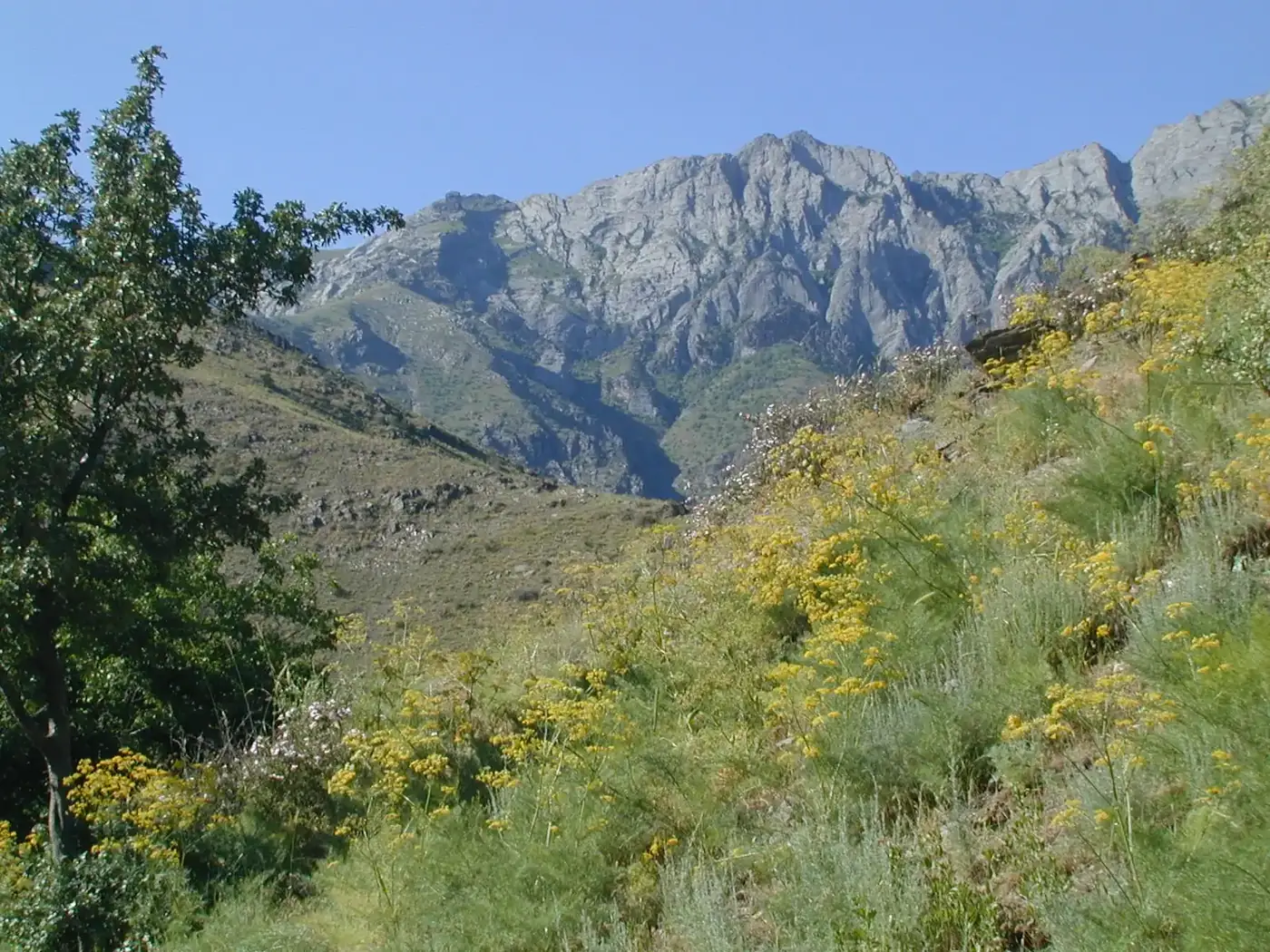 Destination
Jizzakh & Navoiy regions
Nurota Mountains
Our home landscape: mountain villages, Severtsov's argali and the shores of Aydarkul Lake.
Discover This Destination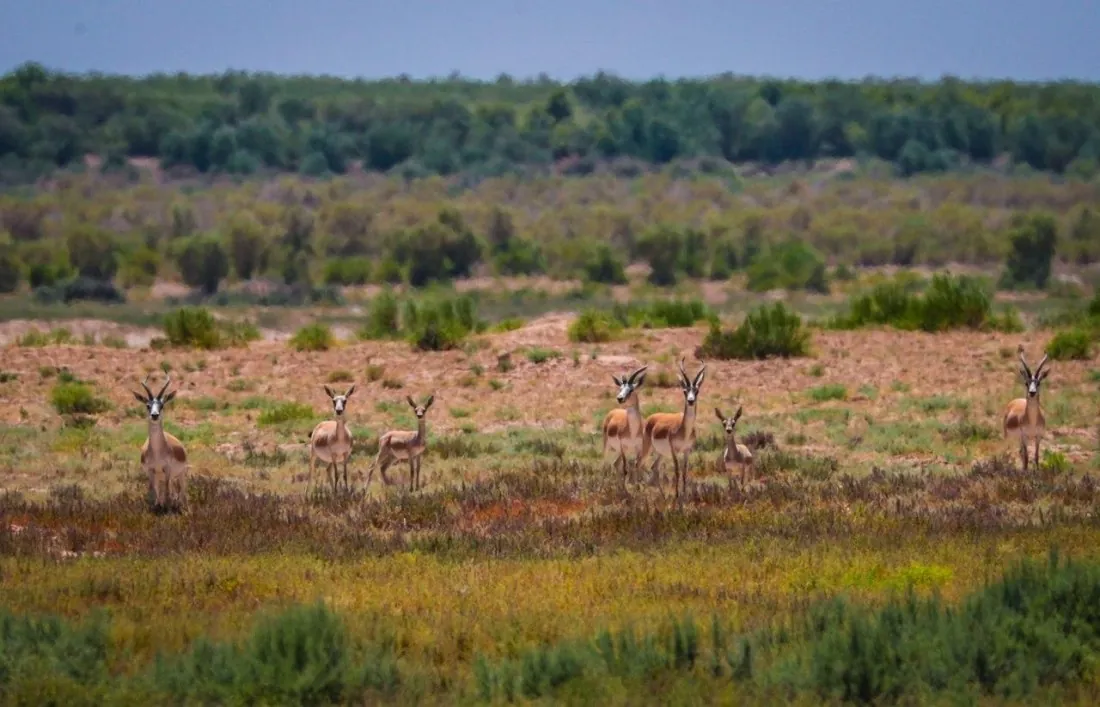 Destination
Bukhara Region
Jeyran Ecocentre
A conservation breeding centre for goitered gazelles, kulans and Przewalski's horses in the desert near Bukhara.
Discover This Destination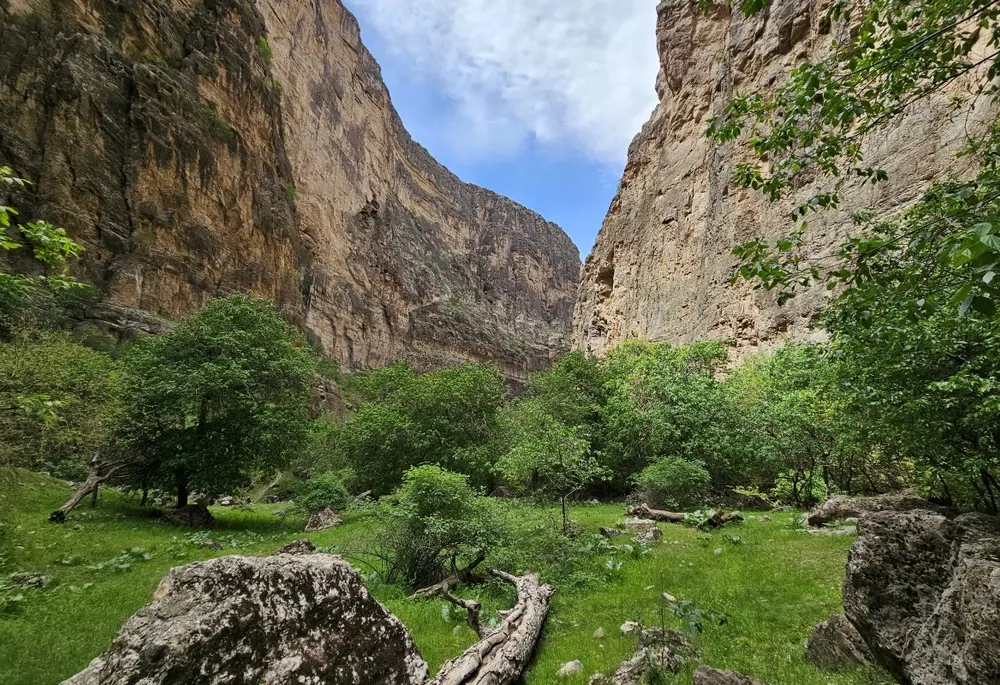 Destination
Surkhandarya Region
Sherabad & Kuhitang Mountains
Mountain wilderness, waterfalls and rare mountain wildlife in Uzbekistan's far south.
Discover This Destination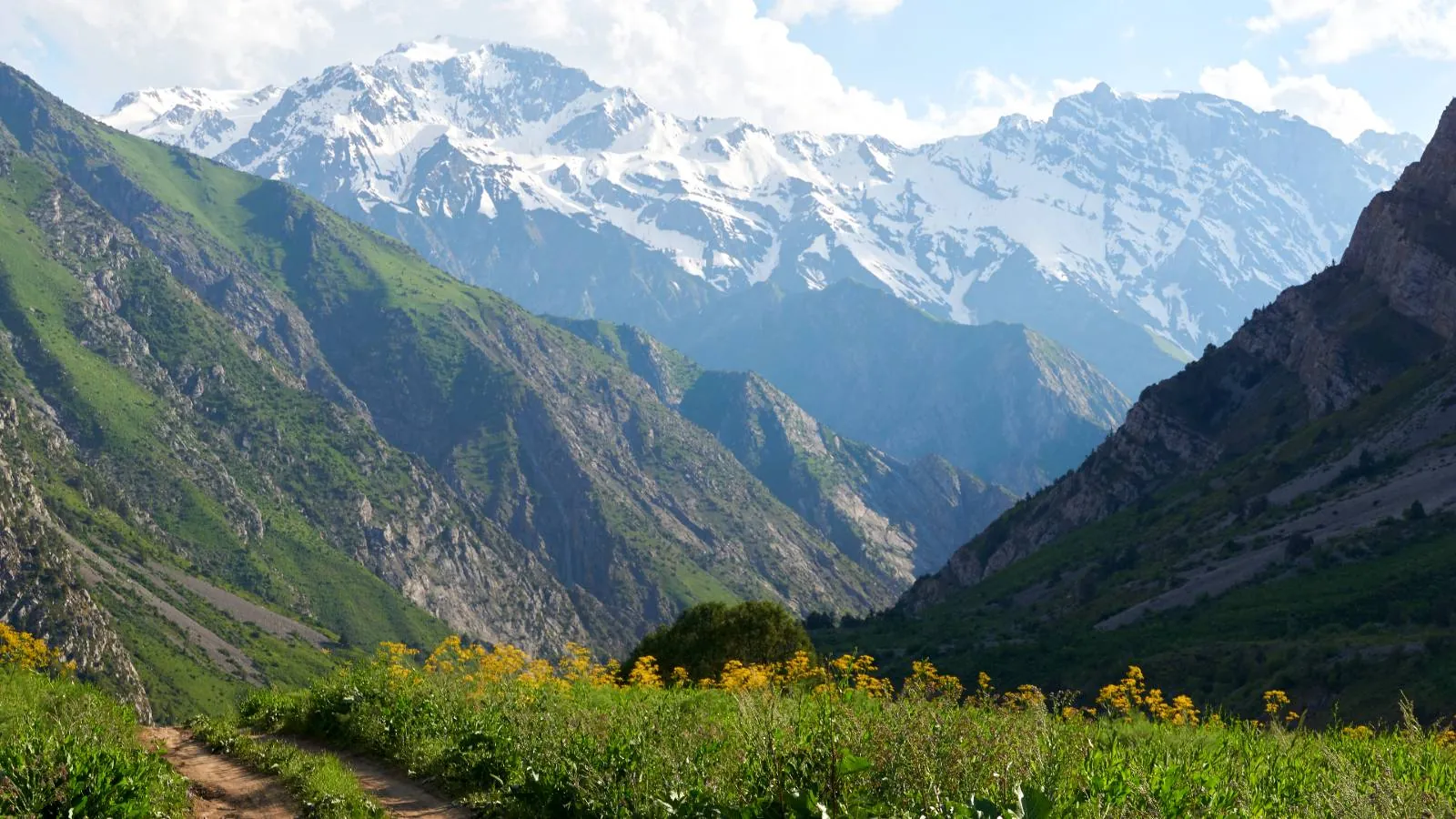 Destination
Tashkent Region
Chatkal State Biosphere Reserve
One of Uzbekistan's oldest reserves — juniper forests, alpine meadows and snow-leopard country.
Discover This Destination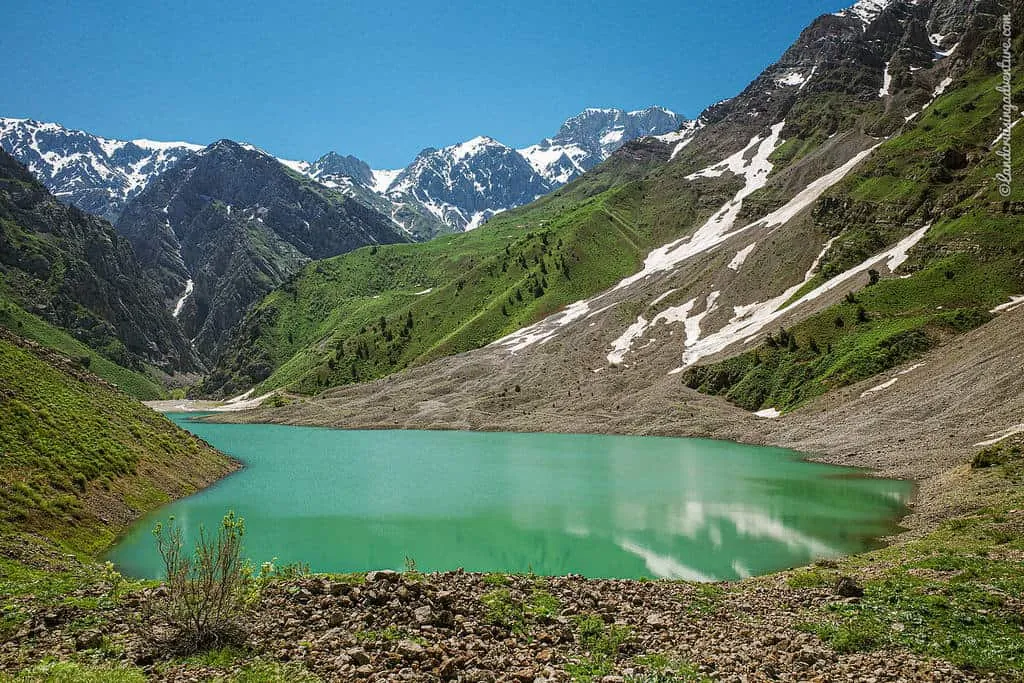 Destination
Tashkent Region
Ugam–Chatkal National Park
Uzbekistan's great mountain park: gorges, rivers, juniper slopes and alpine valleys near Tashkent.
Discover This Destination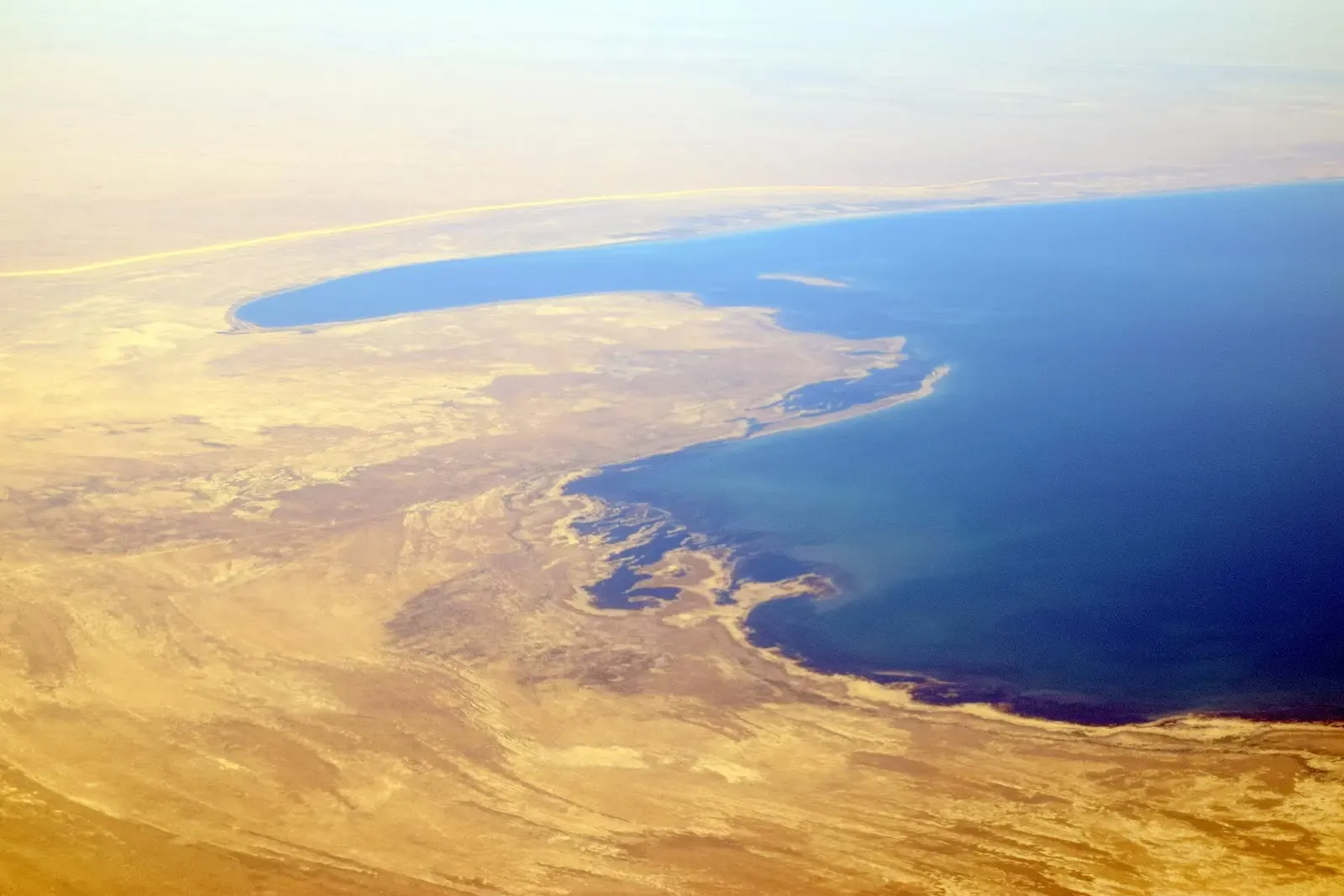 Destination
Republic of Karakalpakstan
Sarykamysh Lake
A vast lake in the desert, surrounded by cliffs and visited by tens of thousands of water birds.
Discover This Destination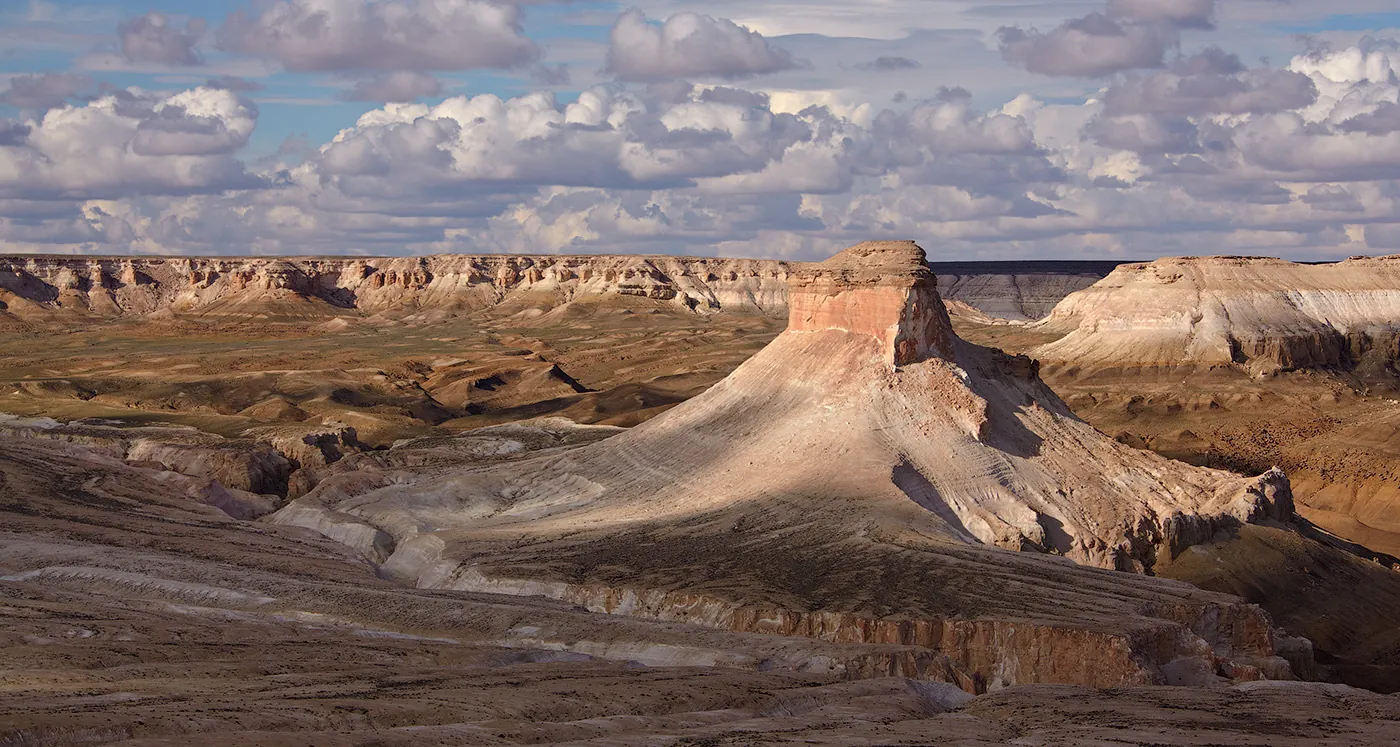 Destination
Republic of Karakalpakstan
Ustyurt Plateau & Cliffs
A remote desert plateau ending in vast cliffs — saiga, urial and expedition landscapes.
Discover This Destination