Sherabad & Kuhitang Mountains
Surkhandarya Region — Sherabad district and the Kuhitang (Kohitang) range
Mountain wilderness, waterfalls and rare mountain wildlife in Uzbekistan's far south.
Surxondaryo is Uzbekistan's southernmost region. Its northern and western edges rise into the Hissar and Kohitang mountains, while the Surxondaryo and Amu Darya valleys open to the south. Within a single journey you can move from warm lowland valleys to limestone ridges above 3,000 metres.
The jewel of its nature is the Surkhan State Nature Reserve on the eastern slopes of Kohitang — a strictly protected mountain refuge for markhor, Bukhara urial and Turkestan lynx. In the Hissar foothills, Sangardak Waterfall and green mountain villages complete a very different picture of Uzbekistan.
0 ha
Surkhan State Nature Reserve (official area)
0 m
Ayribobo peak, highest point of the reserve
0 plant species
Recorded in the Surkhan reserve
0 vertebrate species
Recorded in the reserve (official count)
What makes it special
A refuge for markhor
The Kohitang ridge holds one of the region's most important markhor populations. Researchers estimate more than 600 animals within the Surkhan reserve alone.
Geography & landscape
Surxondaryo lies in the far south of Uzbekistan, along the borders with Tajikistan, Afghanistan and Turkmenistan. The Hissar range closes the region to the north, the Kohitang (Kugitang) ridge runs along its western border with Turkmenistan, and the Surxondaryo River flows south through a broad valley to join the Amu Darya.
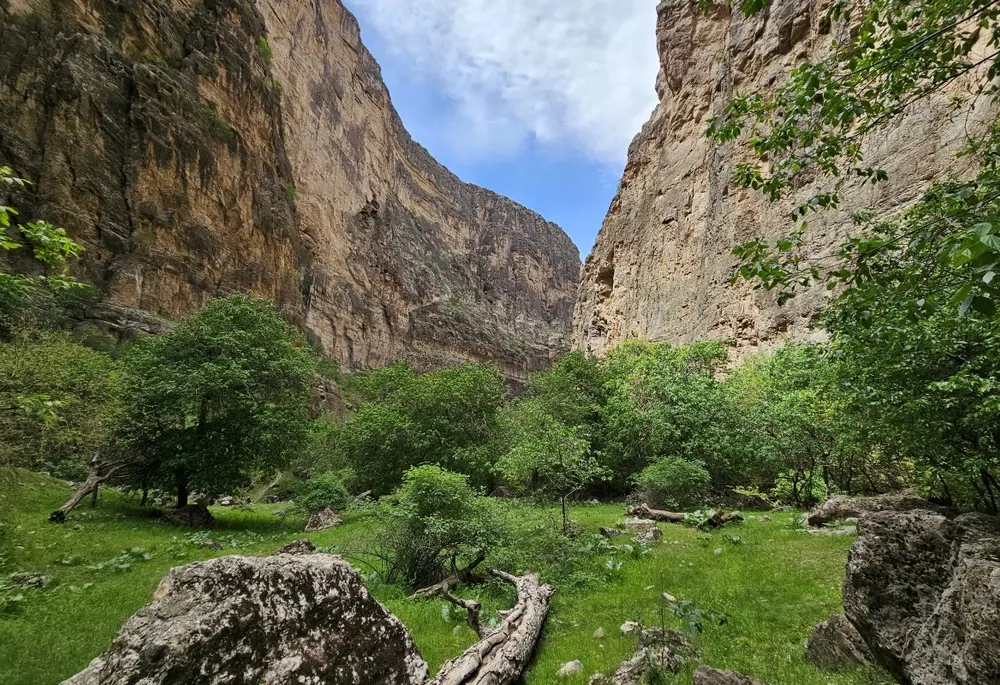
Kohitang is a limestone ridge. Its steep eastern slopes, gorges and cliffs, which form the Surkhan reserve, rise to the Ayribobo peak at about 3,137 m. Sangardak Waterfall is in Sariosiyo district, in the foothills of the Hissar range.
Areas shown are those of protected areas, not of the whole Surxondaryo region.
Landscape features
Kohitang ridge
A limestone mountain ridge on the Uzbekistan–Turkmenistan border, with cliffs, gorges and a summit zone above 3,000 m.
Hissar range foothills
Green valleys, mountain streams and villages in the north of the region, including the Sangardak area.
Surxondaryo valley
A wide, warm river valley running south towards the Amu Darya.
Protected areas
The region's key protected natural area is the Surkhan State Nature Reserve. A state nature reserve is the strictest category of protection in Uzbekistan: it exists for conservation and research, not for mass tourism.
State nature reserve (strict protection)
Surkhan State Nature Reserve
- Area
- 23,406.4 ha ≈ 234 km²
Official figure. Older or travel sources give between 23,802 and 24,583 ha.
Located on the eastern slopes of Kohitang at about 850–3,137 m. The reserve protects mountain ecosystems with about 807 plant species from 80 families, 23 of them in the Red Book of Uzbekistan, and around 190–200 vertebrate species, more than 20 of them listed in the Red Book.
Visitor access: Strictly protected: entry is restricted and normally requires permission from the reserve administration. The operator can advise on what is possible.
Wildlife
These species are documented in the Surkhan reserve by official sources and camera-trap records. Many are shy, rare or live in restricted zones, so sightings are never guaranteed.
Species shown are documented in the area by official or scientific sources. Wild animals are shy and sightings are never guaranteed.
Mammal
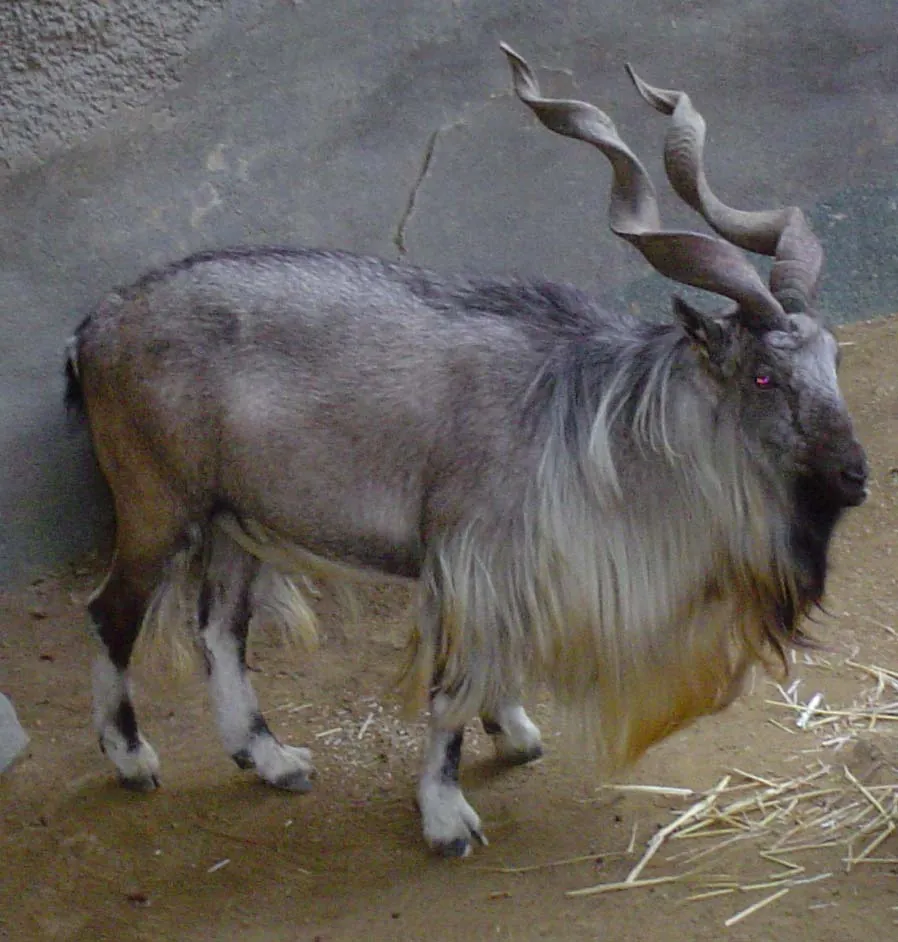
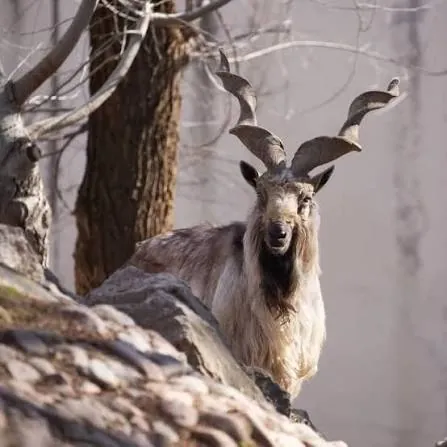
Markhor
Capra falconeri
A wild goat with spiralled horns that lives on steep cliffs and rocky slopes. Camera traps in the reserve regularly record groups of markhor.
Conservation status: IUCN: Near Threatened
Role in the ecosystem: A flagship species: protecting markhor protects the whole cliff ecosystem it depends on.
Mammal
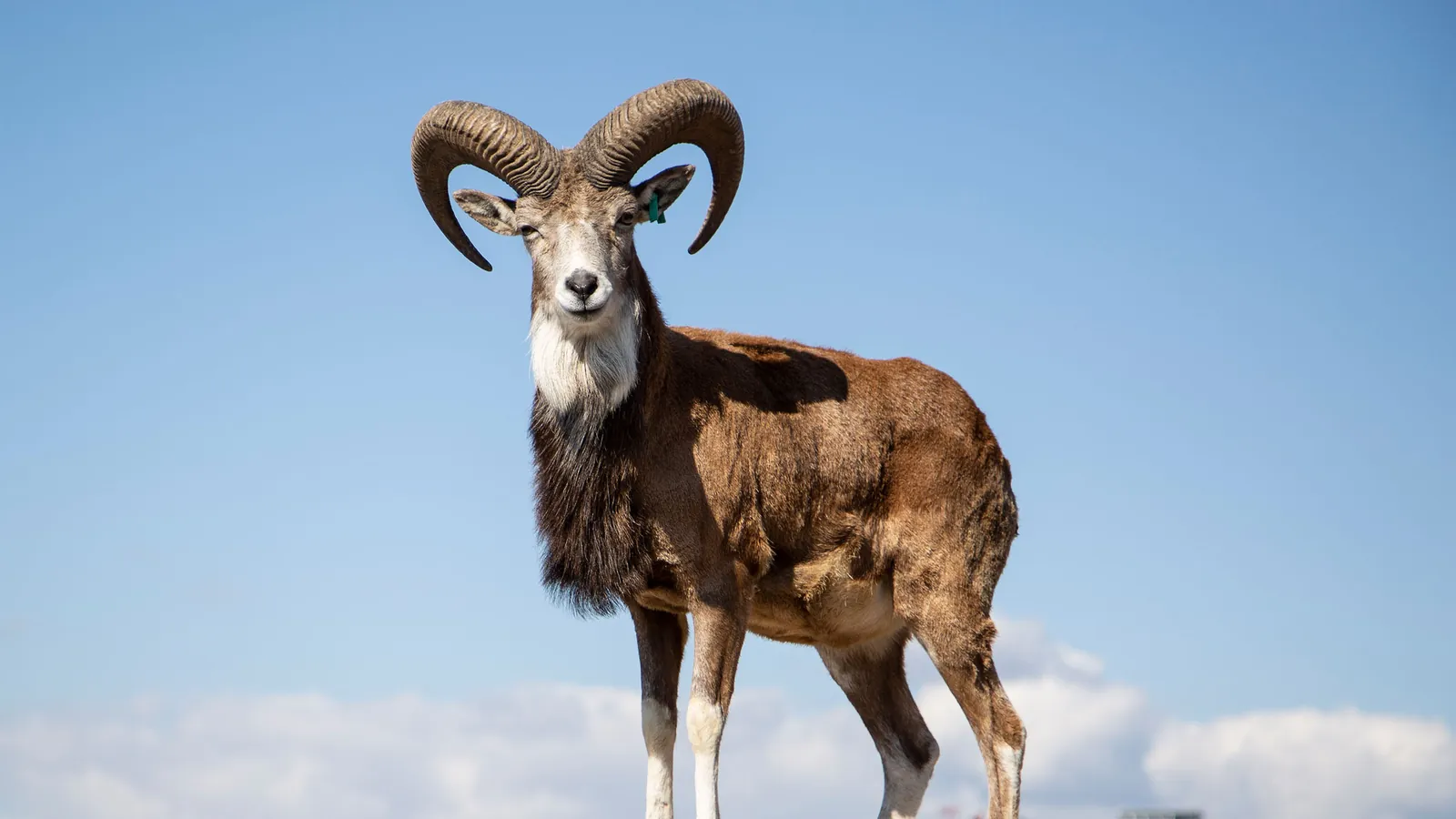
Bukhara urial
Ovis vignei bocharensis
A wild sheep of rolling slopes and foothills. Official sources estimate about 110 individuals in the reserve.
Conservation status: Red Book of Uzbekistan
Role in the ecosystem: A grazer that shapes mountain grasslands and is prey for large predators.
Mammal
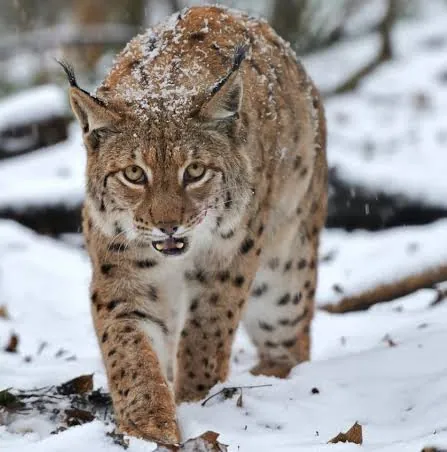
Turkestan lynx
Lynx lynx isabellinus
A secretive cat of rocky, wooded slopes, filmed with its cubs by reserve camera traps.
Conservation status: Vulnerable in Uzbekistan
Role in the ecosystem: A top predator that keeps populations of smaller mammals in balance.
Mammal
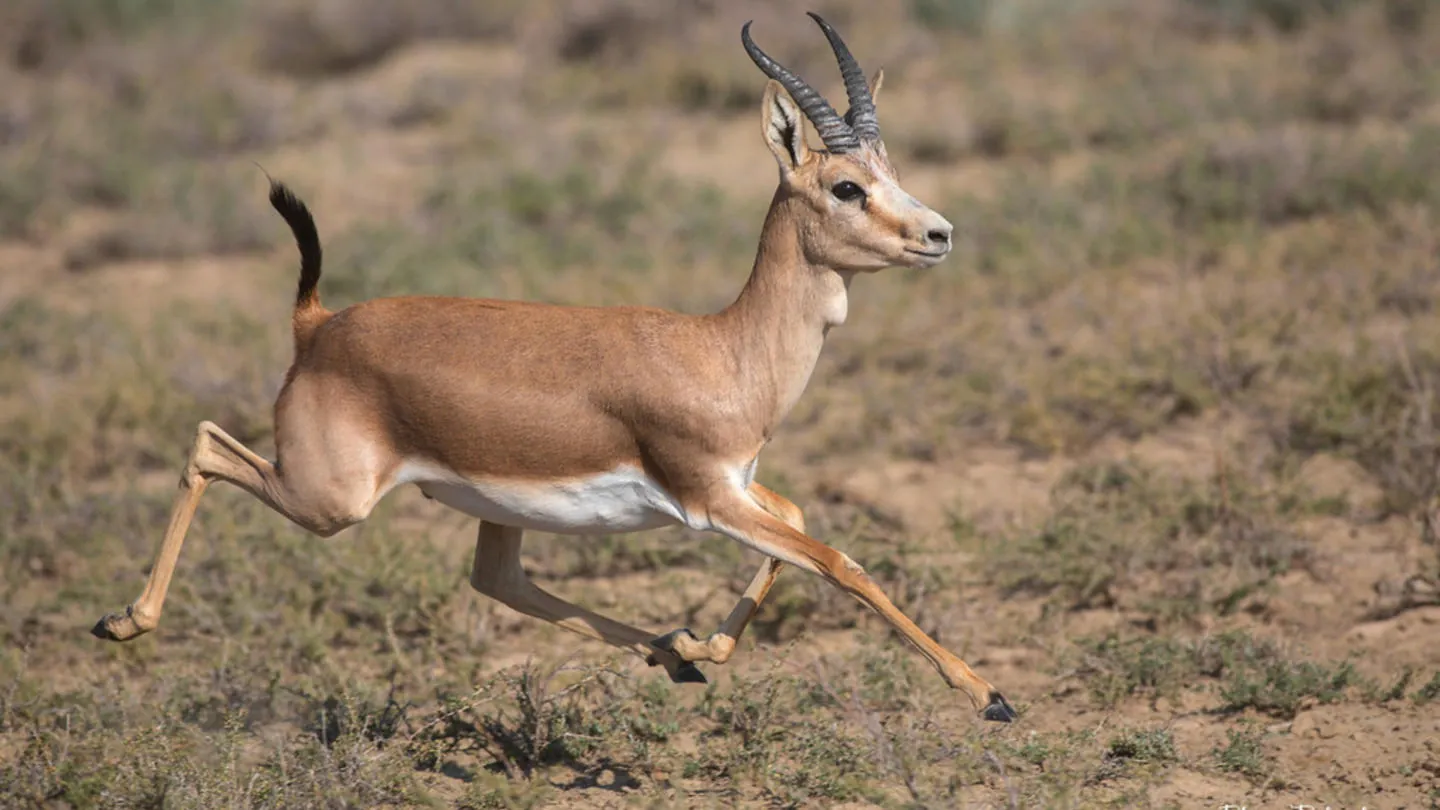
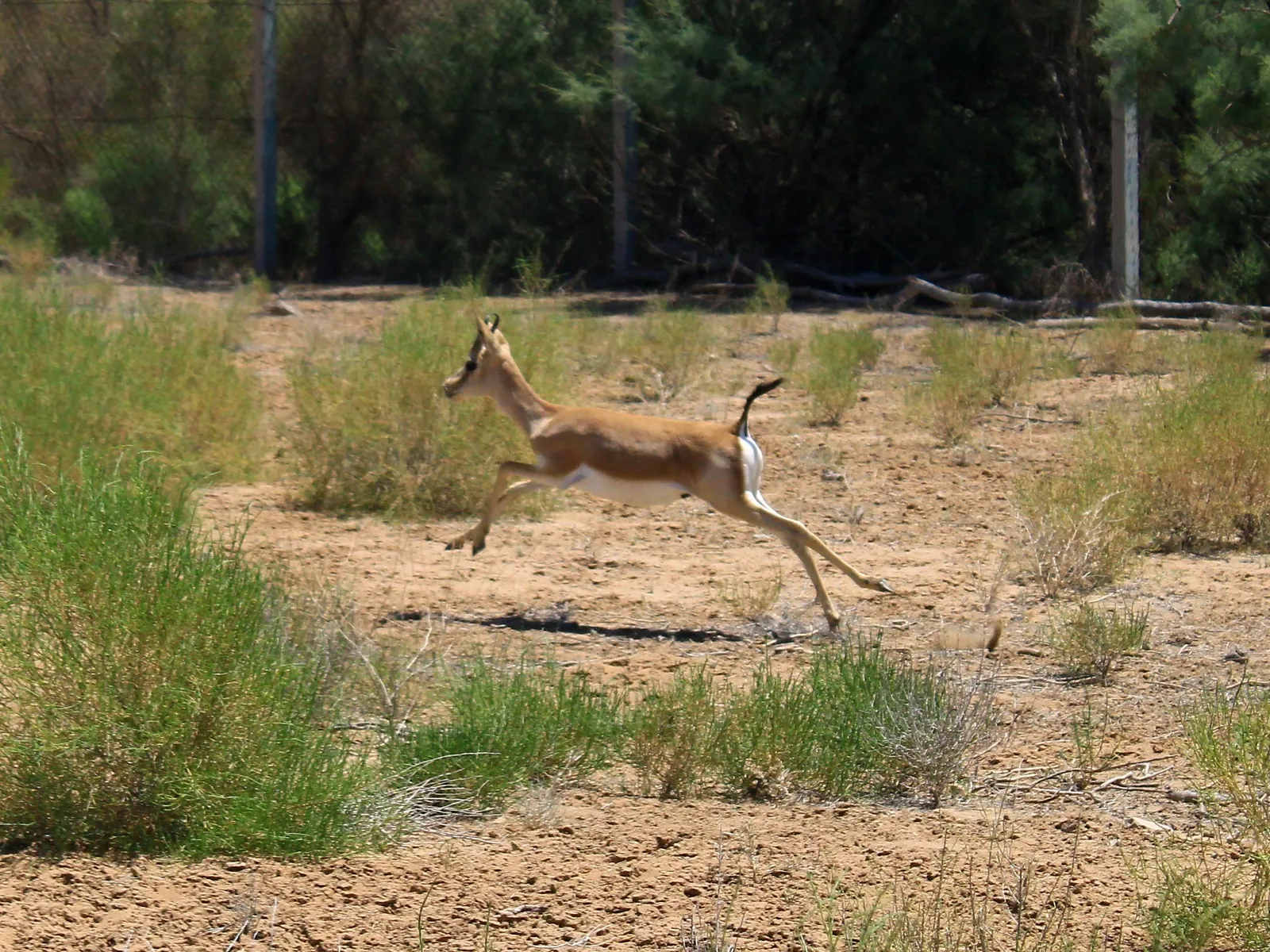
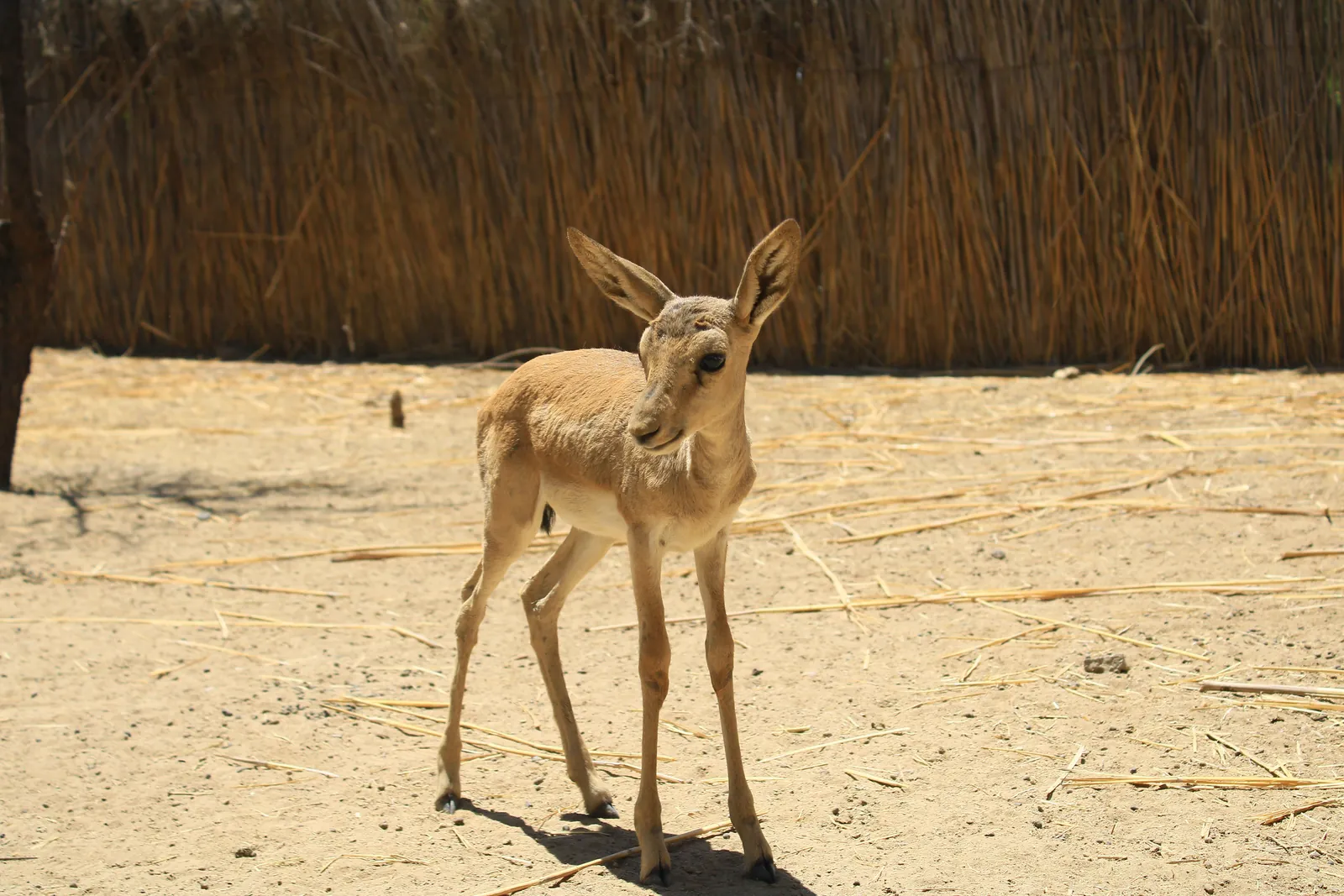
Goitered gazelle
Gazella subgutturosa
Official reserve information lists this gazelle of dry, open foothills.
Role in the ecosystem: A grazer of semi-arid plains and slopes.
Bird
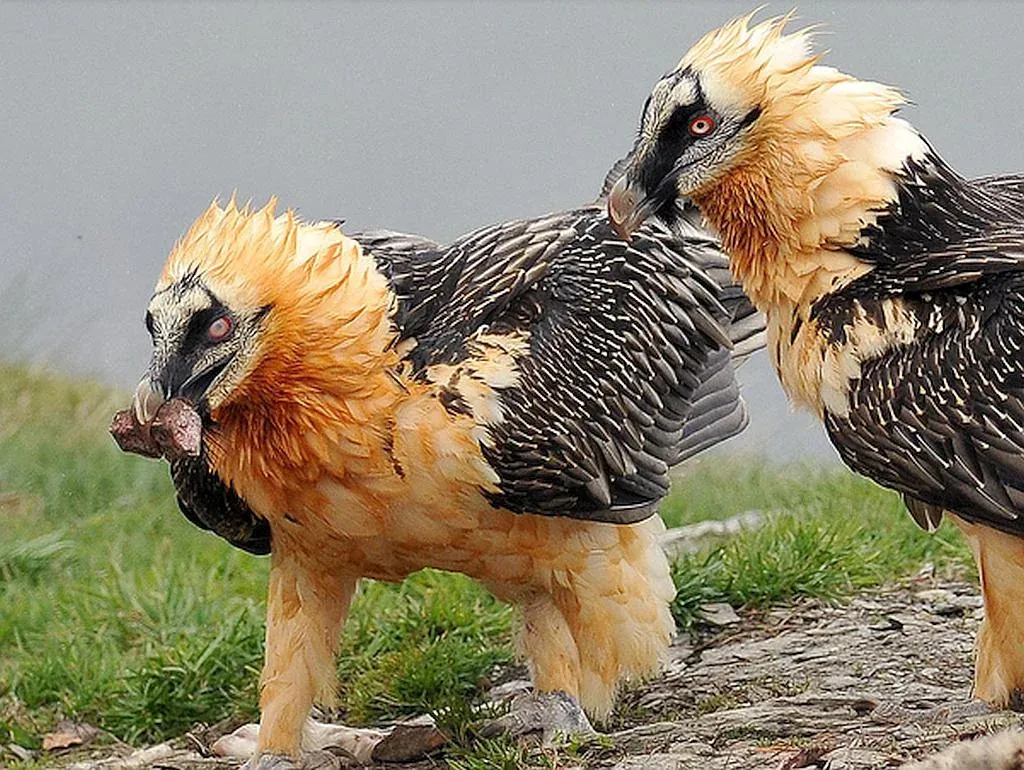
Bearded vulture
Gypaetus barbatus
A large mountain vulture recorded by camera traps in the reserve, known for feeding on bones.
Role in the ecosystem: A scavenger that cleans the ecosystem of carcasses.
Bird
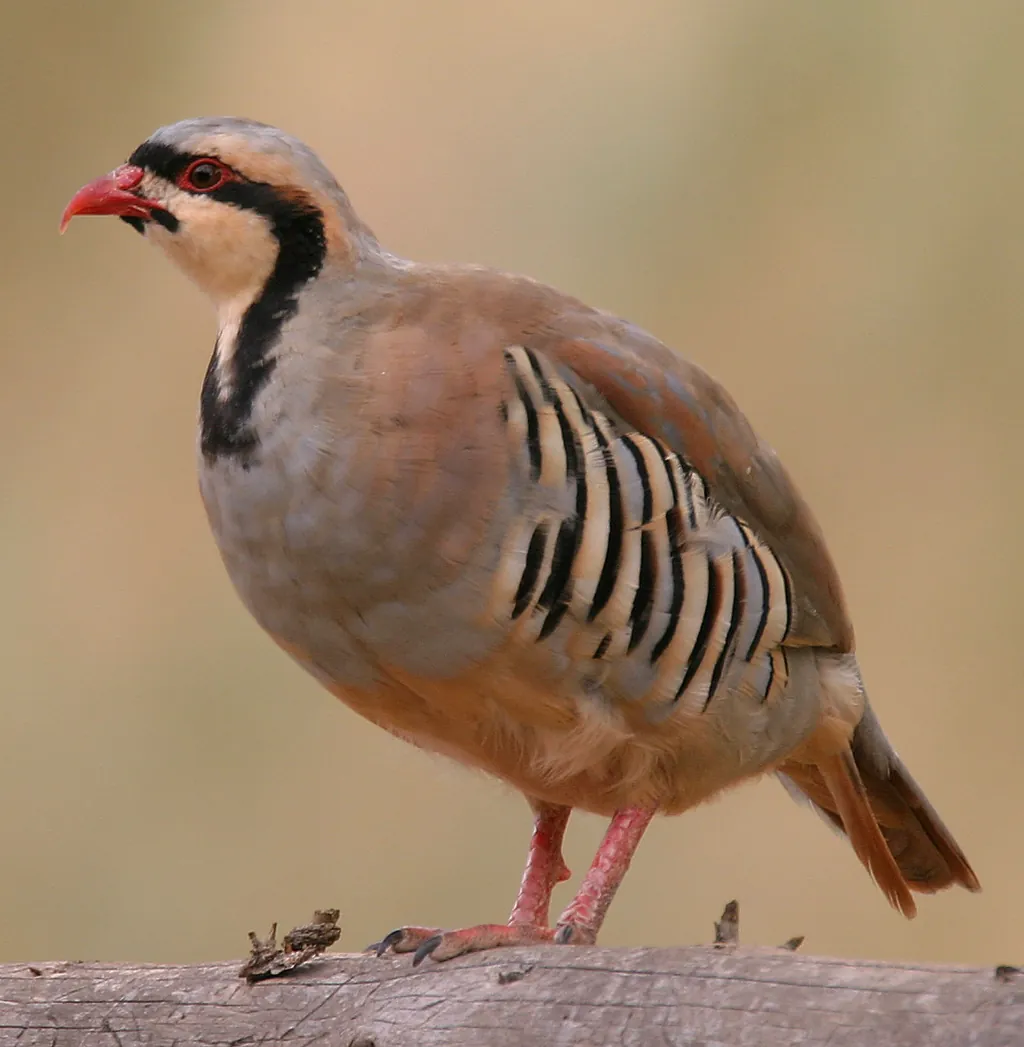
Chukar partridge
Alectoris chukar
A ground bird of rocky slopes, often heard calling across the valleys.
Role in the ecosystem: An important part of the food chain for raptors and predators.
Plants & vegetation
Mountain vegetation changes with altitude, from dry foothill shrubs to woodland and alpine plants. The Surkhan reserve alone has about 807 recorded plant species.
Juniper (archa)
Juniperus spp.
Slow-growing evergreen trees of mountain slopes in southern Uzbekistan. Juniper forests are protected in several districts of the region.
Wild pistachio
Pistacia vera
Drought-tolerant trees of dry foothills. Pistachio forests are protected in districts such as Boysun and Uzun.
Spring wildflowers
In spring the slopes of the reserve bloom with ephemeral flowers that complete their life cycle before the summer heat.
Photography opportunities
This is specialist territory for mountain-wildlife photographers — rare animals, cliffs and southern light.
Limestone cliffs
Gorges and rock walls of the Kuhitang.
Mountain wildlife
Markhor and urial live on steep slopes; a long lens and patience are essential.
Raptors
Bearded vultures and other birds of prey over the ridges.
Waterfalls
Sangardak in the Hissar foothills.
Birdwatching
The Surkhan reserve records about 136–137 bird species.
- Bearded vulture and chukar partridge are documented by camera traps.
- Raptors are best watched over ridges in the morning.
- Observation outside strictly protected zones only.
Experiences
Outdoor experiences
Mountain hiking
Day walks in the Hissar foothills and valleys, planned around your fitness and the season.
Outdoor experiences
Sangardak Waterfall
A visit to the waterfall and its mountain surroundings.
Wildlife & nature observation
Nature observation
Watching birds and landscapes outside strictly protected zones. Reserve visits only with official permission.
Photography
Landscape photography
Limestone cliffs, valleys and waterfalls in strong southern light.
Culture
Mountain villages
Meeting local families and discovering rural life in the foothills.
All activities depend on season, access and the operator's confirmation.
Gallery
Did you know?
- The Surkhan reserve's highest point, Ayribobo (about 3,137 m), lies on the Uzbekistan–Turkmenistan border.
- Camera traps are used in the reserve to study shy animals such as markhor, lynx and bearded vultures without disturbing them.
Plan your visit
Best time to visit
Spring (April–May) and autumn (September–October). Summer is very hot in the lowlands.
Getting there
The Surkhan reserve's Kuhitang section lies in the north-west of Sherabad district, Surkhandarya Region, on the border with Turkmenistan. Travel is by road from Termez or Sherabad; border-area rules may apply.
Suggested experience
- 01Arrival in Termez or Sherabad.
- 02Drive to the Kuhitang foothills with a local guide.
- 03Wildlife and landscape observation from permitted areas.
- 04Optional visit to Sangardak Waterfall in the Hissar foothills.
Available upon request — itinerary and access arrangements depend on the destination. Reserve entry requires official permission.
Practical information
Frequently asked questions
How to visit responsibly
Southern Uzbekistan's mountains are a refuge for species that survive in few other places, such as markhor and Bukhara urial. Their habitats are fragile and easily disturbed.
- Keep a respectful distance from wildlife and never feed animals.
- Stay on paths and do not pick plants or flowers.
- Take all litter with you.
- Follow the rules of protected areas and your guide's instructions.
Plan your visit
Tell us your preferred date and group size. We reply personally with available options and a personalised price.
Sources
Facts on this page come from the sources below. Figures may differ between sources and change over time.
More destinations
Back to Destinations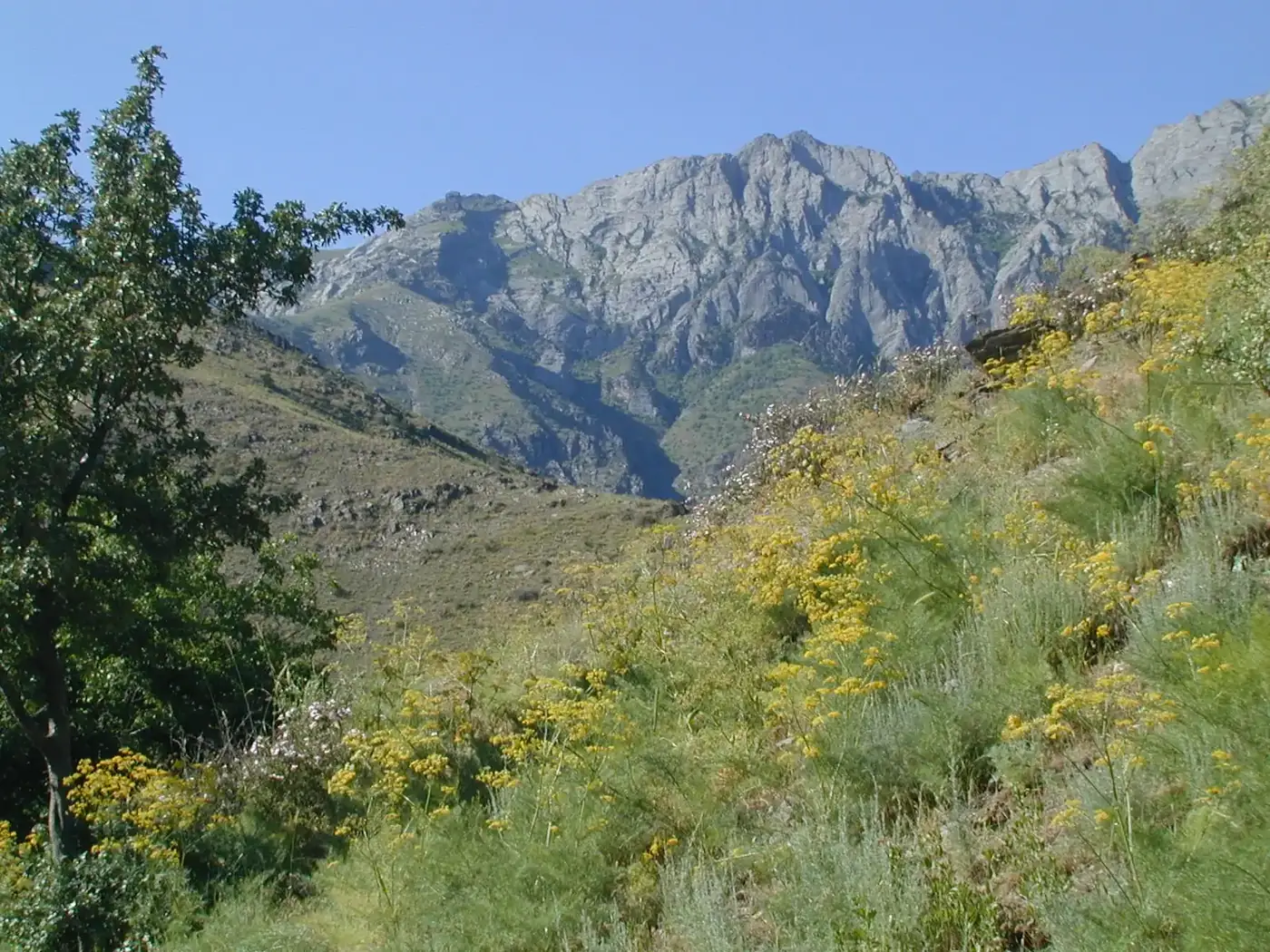 Destination
Jizzakh & Navoiy regions
Nurota Mountains
Our home landscape: mountain villages, Severtsov's argali and the shores of Aydarkul Lake.
Discover This Destination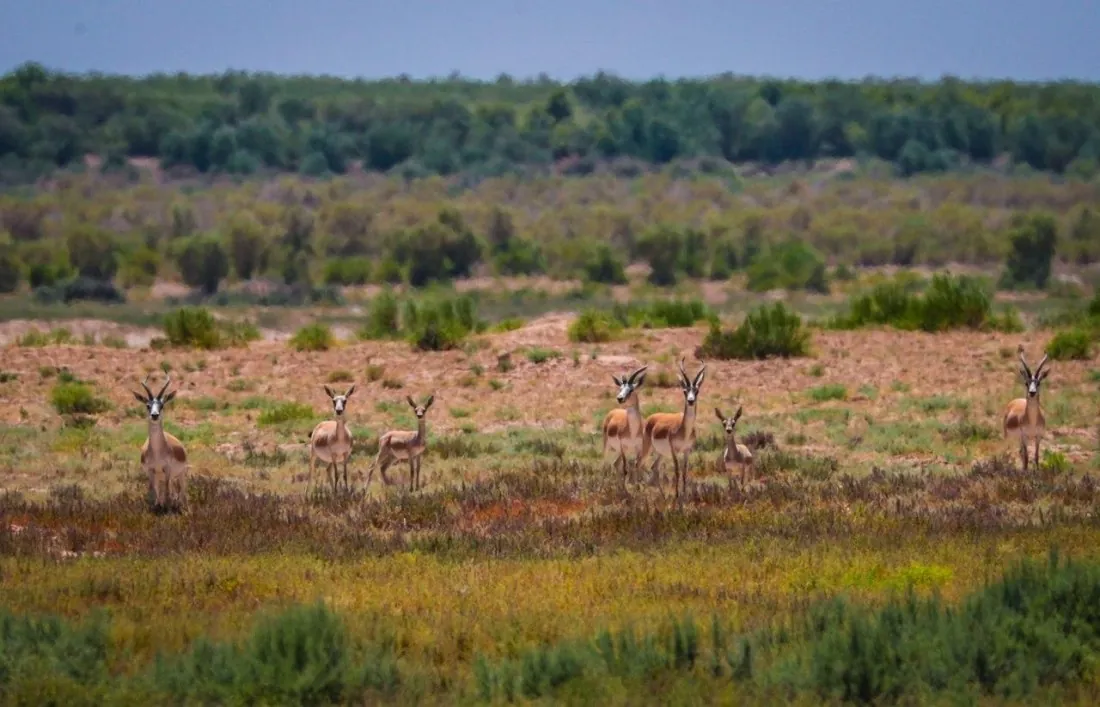 Destination
Bukhara Region
Jeyran Ecocentre
A conservation breeding centre for goitered gazelles, kulans and Przewalski's horses in the desert near Bukhara.
Discover This Destination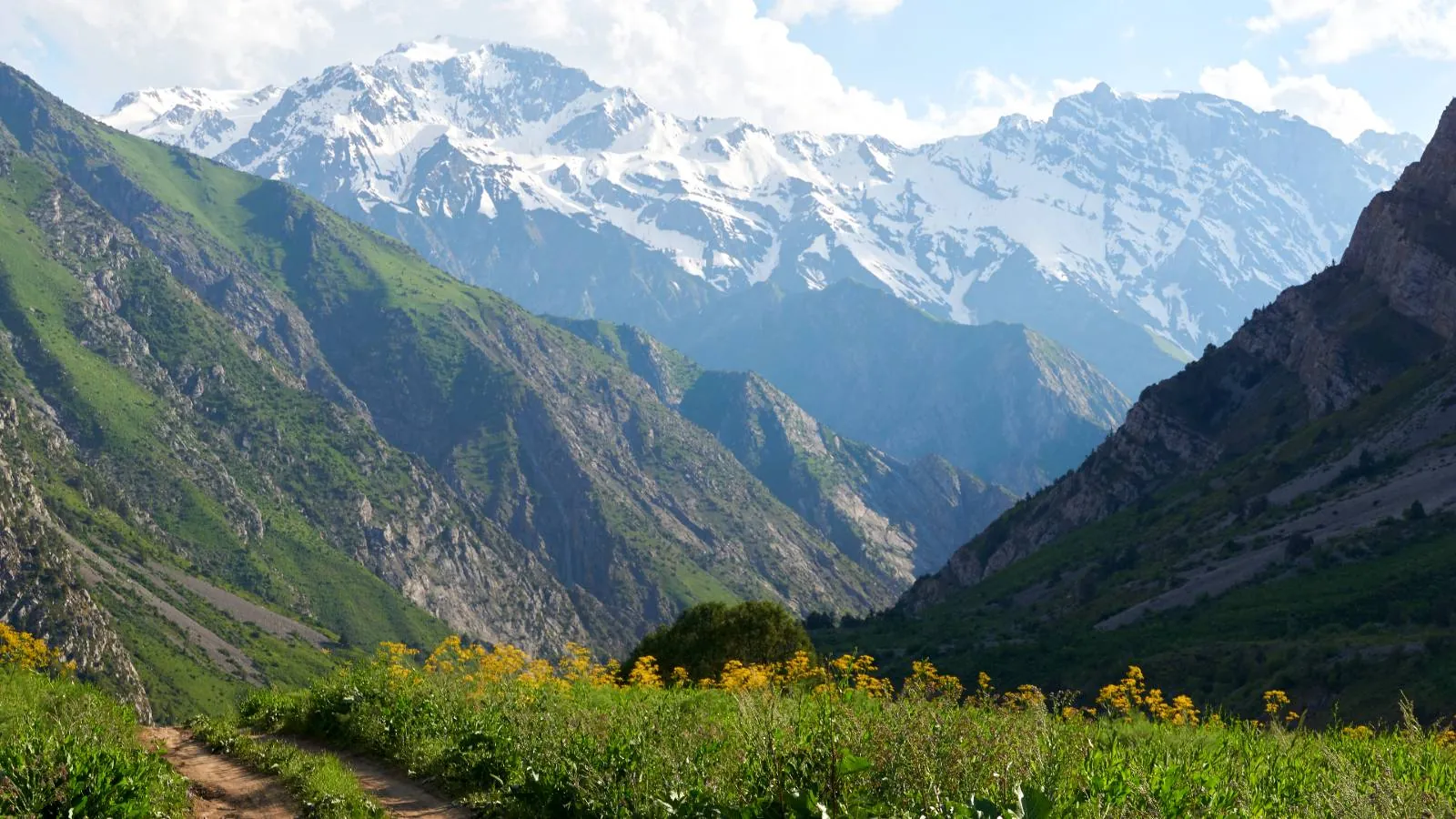 Destination
Tashkent Region
Chatkal State Biosphere Reserve
One of Uzbekistan's oldest reserves — juniper forests, alpine meadows and snow-leopard country.
Discover This Destination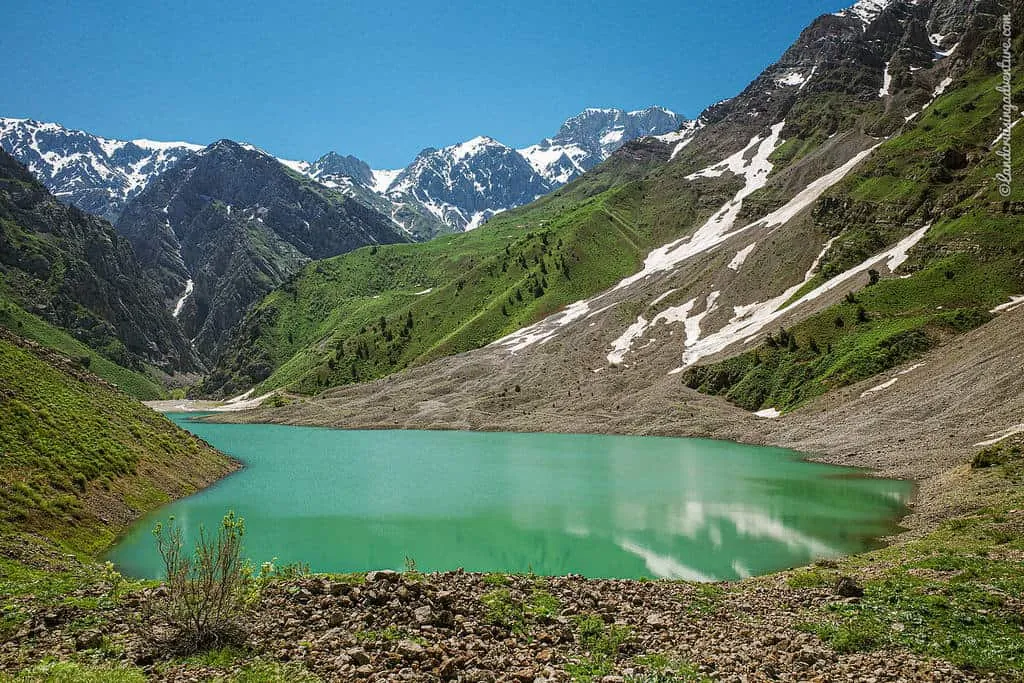 Destination
Tashkent Region
Ugam–Chatkal National Park
Uzbekistan's great mountain park: gorges, rivers, juniper slopes and alpine valleys near Tashkent.
Discover This Destination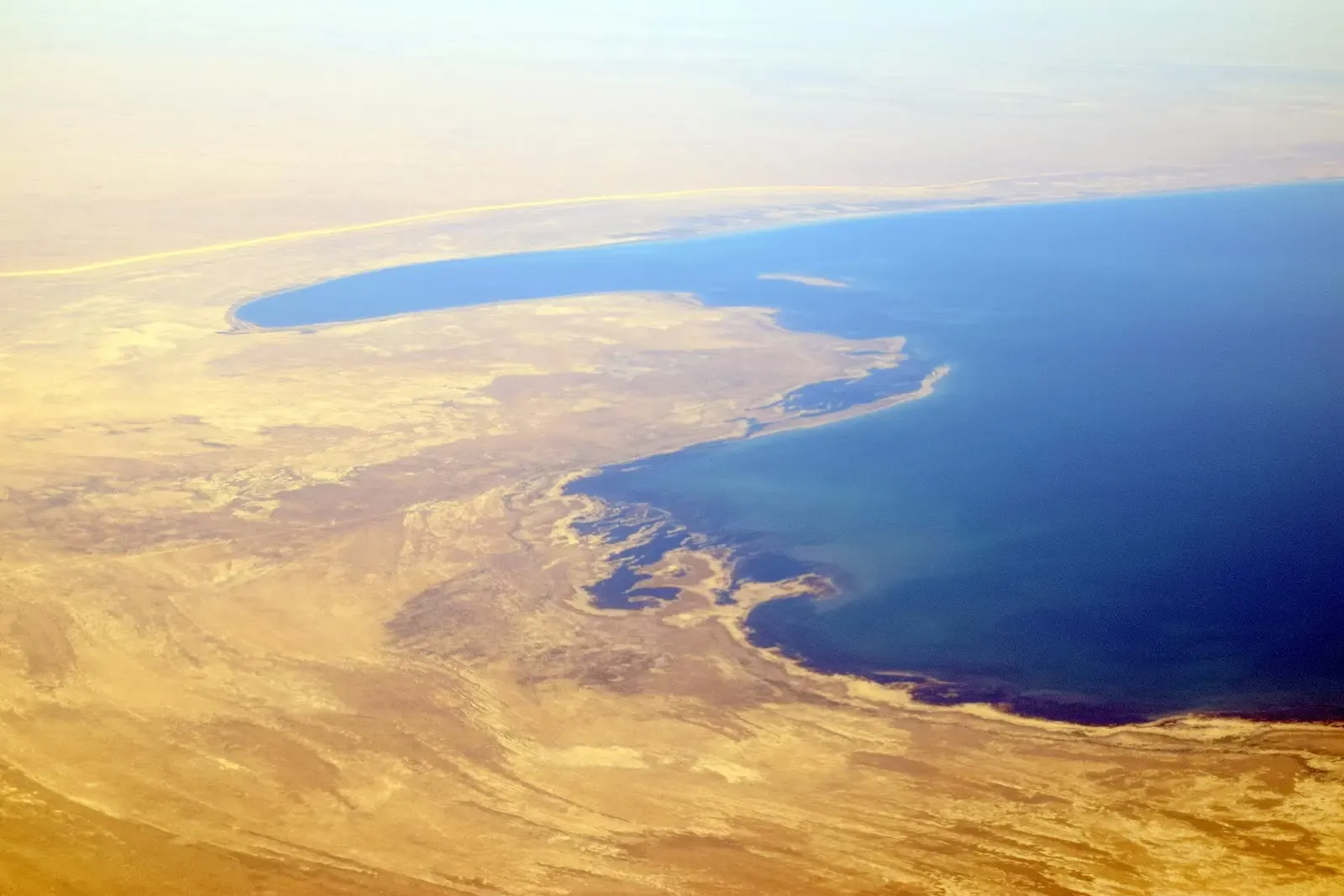 Destination
Republic of Karakalpakstan
Sarykamysh Lake
A vast lake in the desert, surrounded by cliffs and visited by tens of thousands of water birds.
Discover This Destination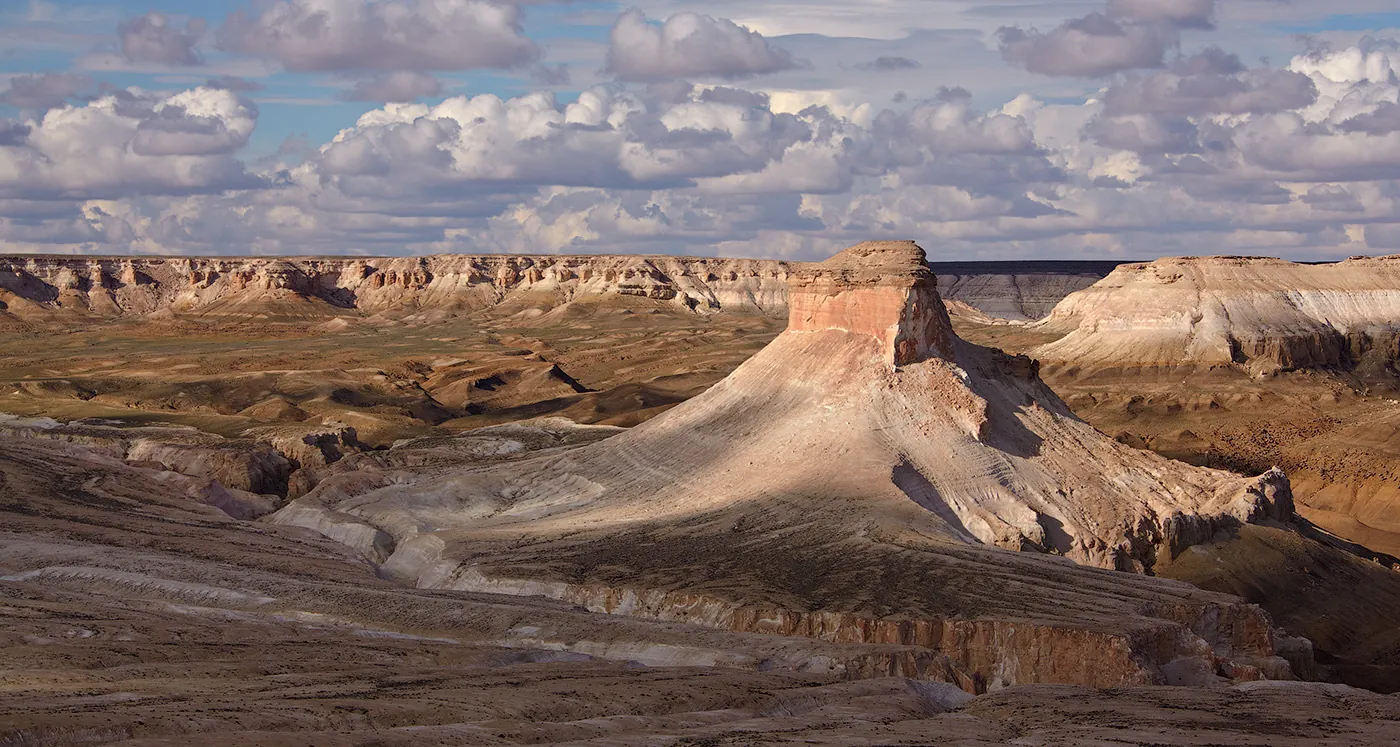 Destination
Republic of Karakalpakstan
Ustyurt Plateau & Cliffs
A remote desert plateau ending in vast cliffs — saiga, urial and expedition landscapes.
Discover This Destination