
Jeyran Ecocentre
Bukhara Region — about 42 km south-east of Bukhara
A conservation breeding centre for goitered gazelles, kulans and Przewalski's horses in the desert near Bukhara.
The Jeyran Ecocentre lies in the desert about 42 km south-east of Bukhara. It was created in 1977 to breed rare animals and study their biology, and began with a small group of goitered gazelles — the jeyran that gives it its name.
This is a conservation-oriented ecocentre, not an unrestricted wild safari. Much of the wildlife lives in large fenced enclosures, so the animals you see are part of breeding and restoration programmes. Around them, desert habitats and lakes attract a remarkable number of birds.
0 ha
Total area (official): 5,145 ha fenced + 11,377 ha open
1977
Year the breeding centre was created
0 bird species
Recorded in the Important Bird Area (about 37% of Uzbekistan's birds)
0 km
Distance from Bukhara
What makes it special
A home for returning species
The centre breeds goitered gazelles, Turkmenian kulans and Przewalski's horses — species that disappeared from much of their former range.
Geography & landscape
The ecocentre lies on a flat desert plain in Bukhara Region, near the A-380 highway. Official information places it about 15 km from Karaulbazar and 25 km from Kagan.
Its landscape combines desert and semi-desert with lakes and wetland patches that attract birds. The territory is divided into a fenced zone for breeding and an open zone.
Area figures differ between sources; the official breakdown is shown here.
Landscape features
Fenced breeding zone
About 5,145 ha where animals live in large enclosures.
Open zone
About 11,377 ha of open desert territory.
Lakes and wetlands
Water areas that attract birds, especially in migration.
Protected areas
Officially the Bukhara Specialised Nursery "Jeyran", it is a breeding centre with research and conservation goals.
Specialised breeding nursery
Bukhara Specialised Nursery "Jeyran" (Jeyran Ecocentre)
- Area
- 16,522 ha ≈ 165 km²
- Established
- 1977
Fenced zone 5,145 ha · open zone 11,377 ha. The surrounding Important Bird Area covers 32,709 ha.
Created to breed rare animals and study their biology. The official page lists goitered gazelles, Turkmenian kulans and Przewalski's horses among the animals kept.
Visitor access: Visits are organised with the centre. Tour operators report that movement inside the centre is by the centre's own transport; photography and special access should be confirmed in advance.
Wildlife
These species are kept and bred at the centre according to official and visitor sources. Animals live in large enclosures; they are not free-roaming wild herds.
Species shown are documented in the area by official or scientific sources. Wild animals are shy and sightings are never guaranteed.
Mammal
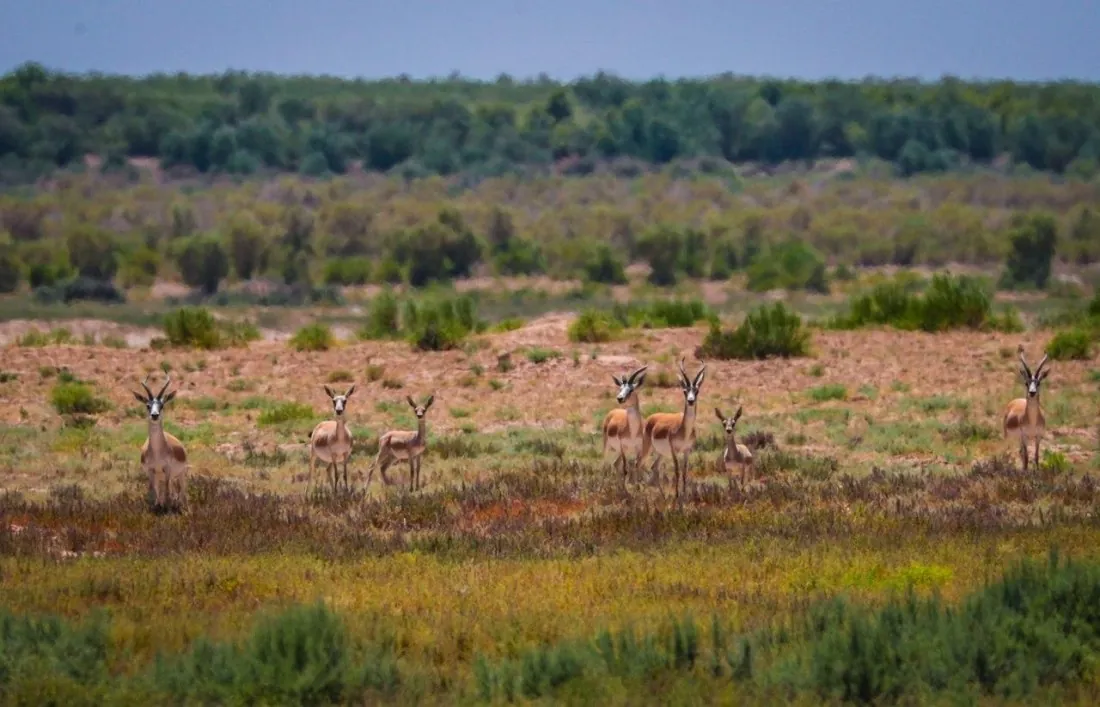
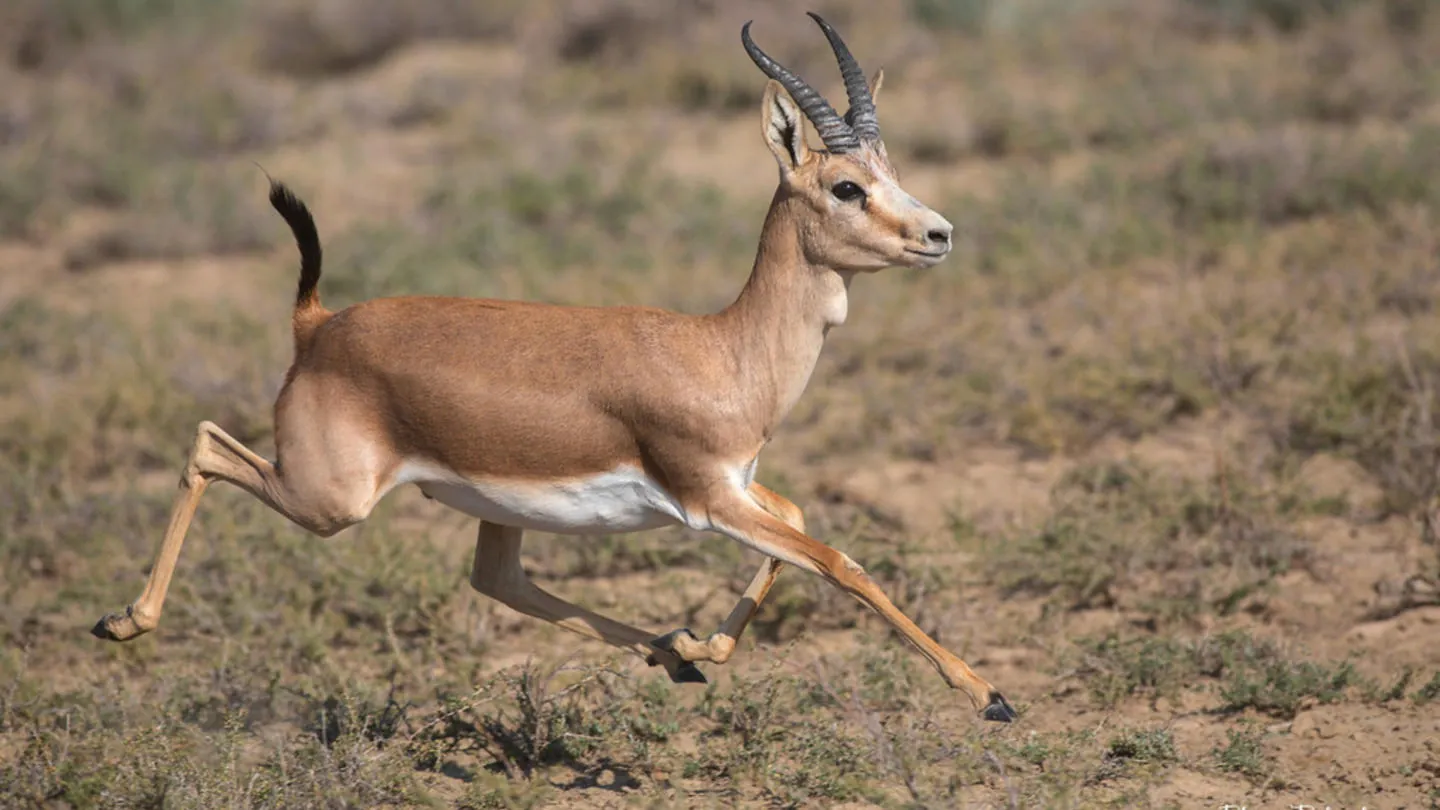
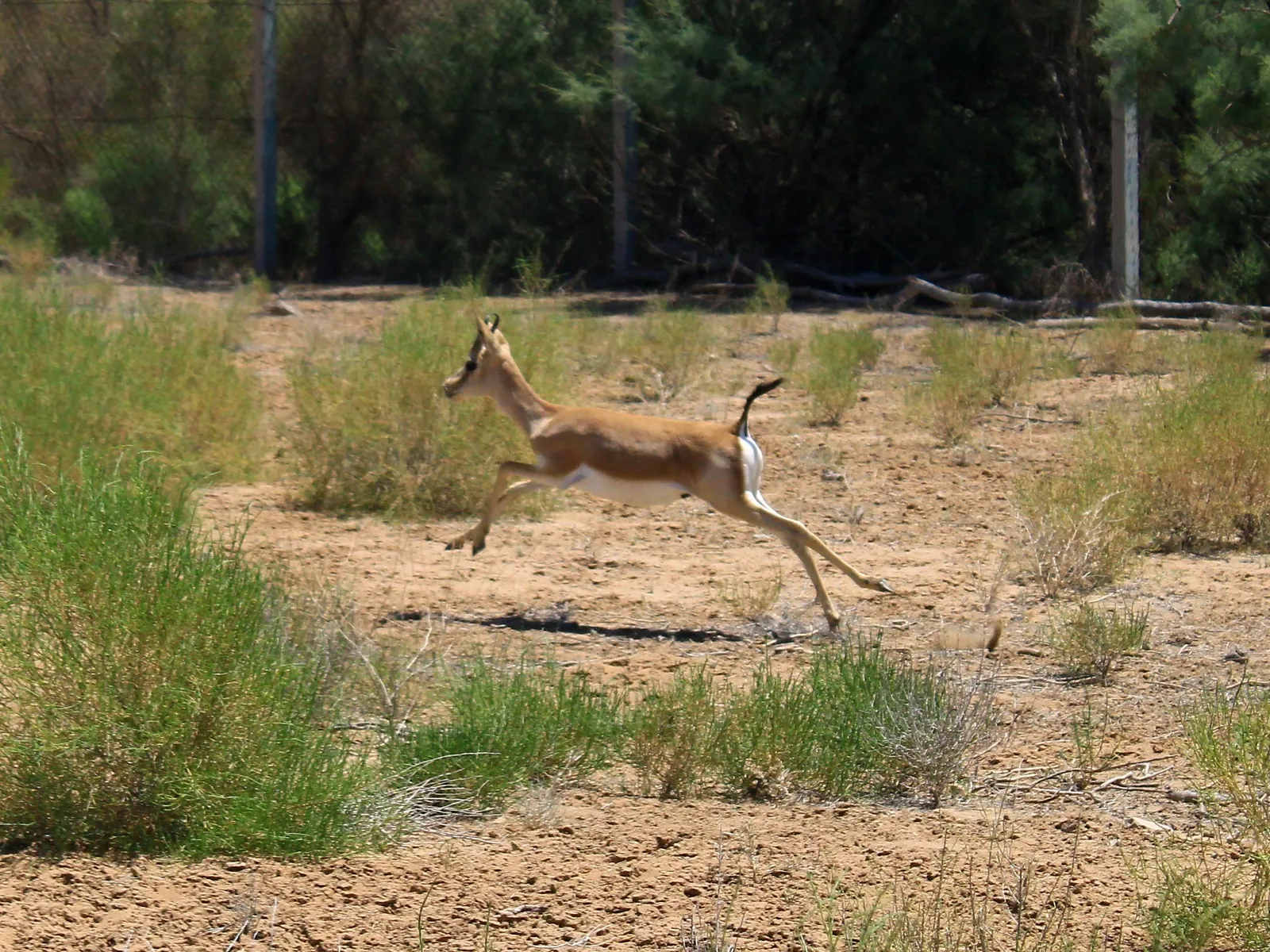
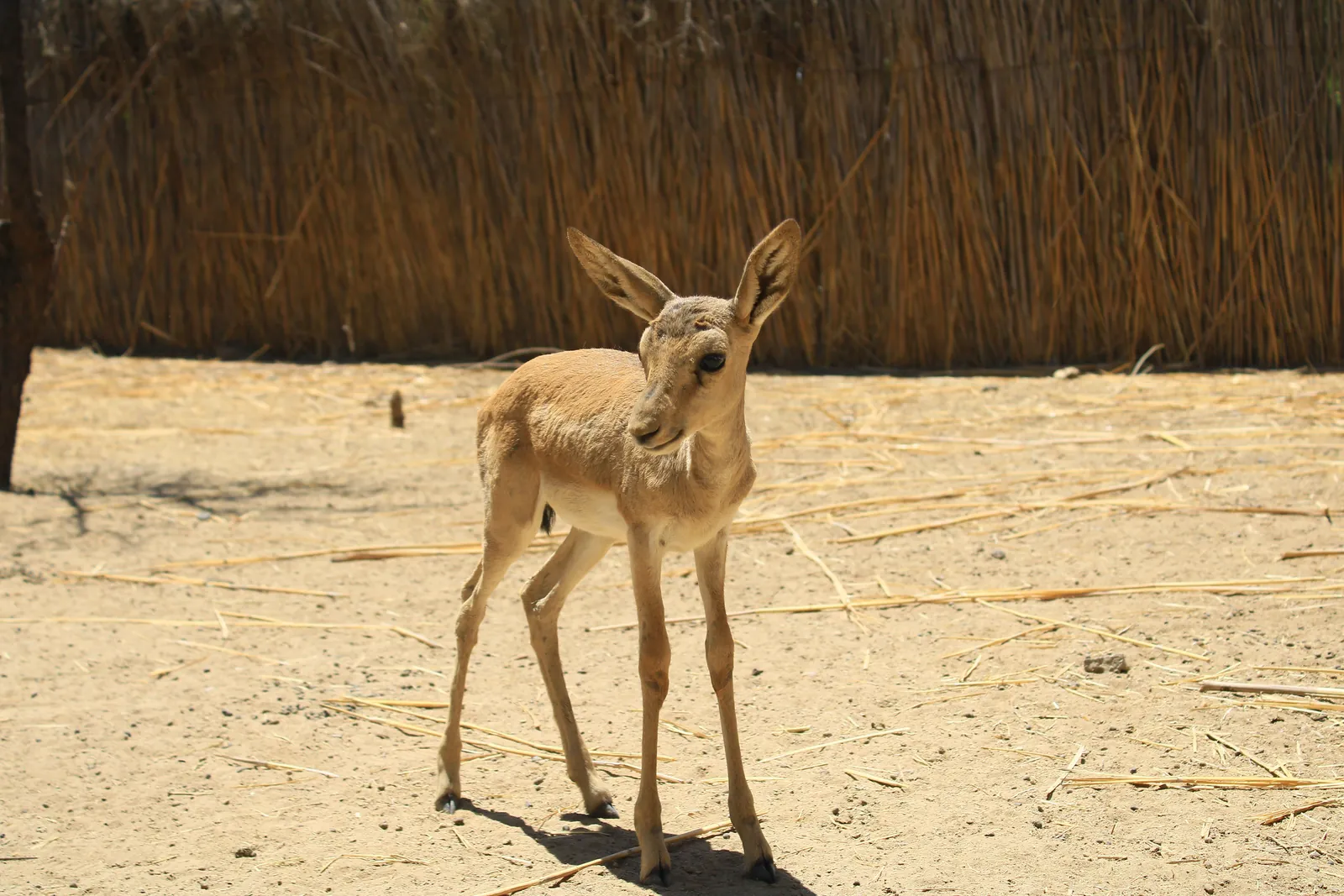
Goitered gazelle (jeyran)
Gazella subgutturosa
The symbol of the centre. Breeding began in 1977 with a small founding group.
Conservation status: Listed as Vulnerable (IUCN, per regional checklists)
Role in the ecosystem: A desert grazer whose return supports healthy desert ecosystems.
Mammal
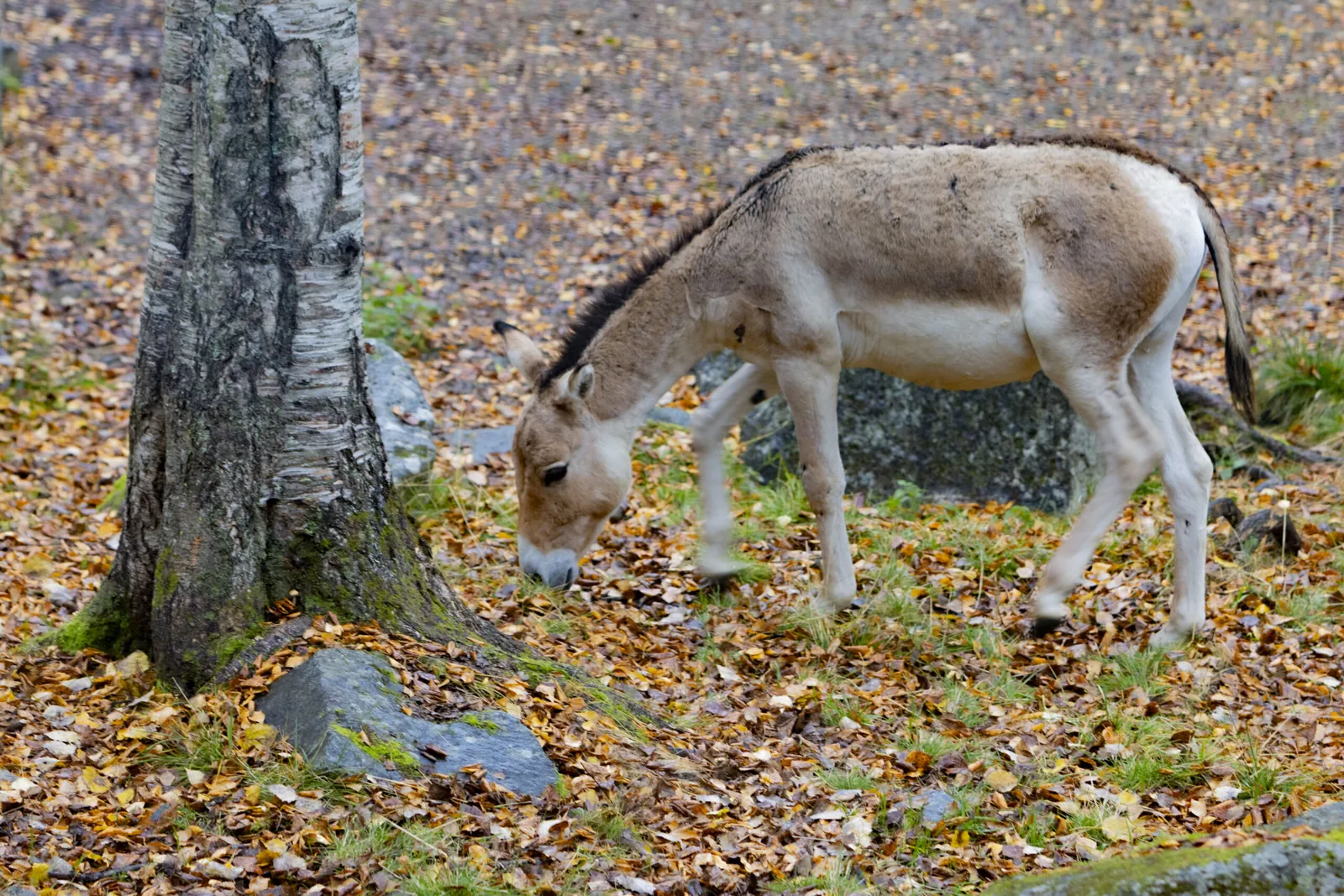
Turkmenian kulan
Equus hemionus kulan
A wild ass of Central Asian deserts, bred at the centre.
Conservation status: Asiatic wild ass: Near Threatened (IUCN)
Role in the ecosystem: A large grazer that once roamed widely across the region's plains.
Mammal
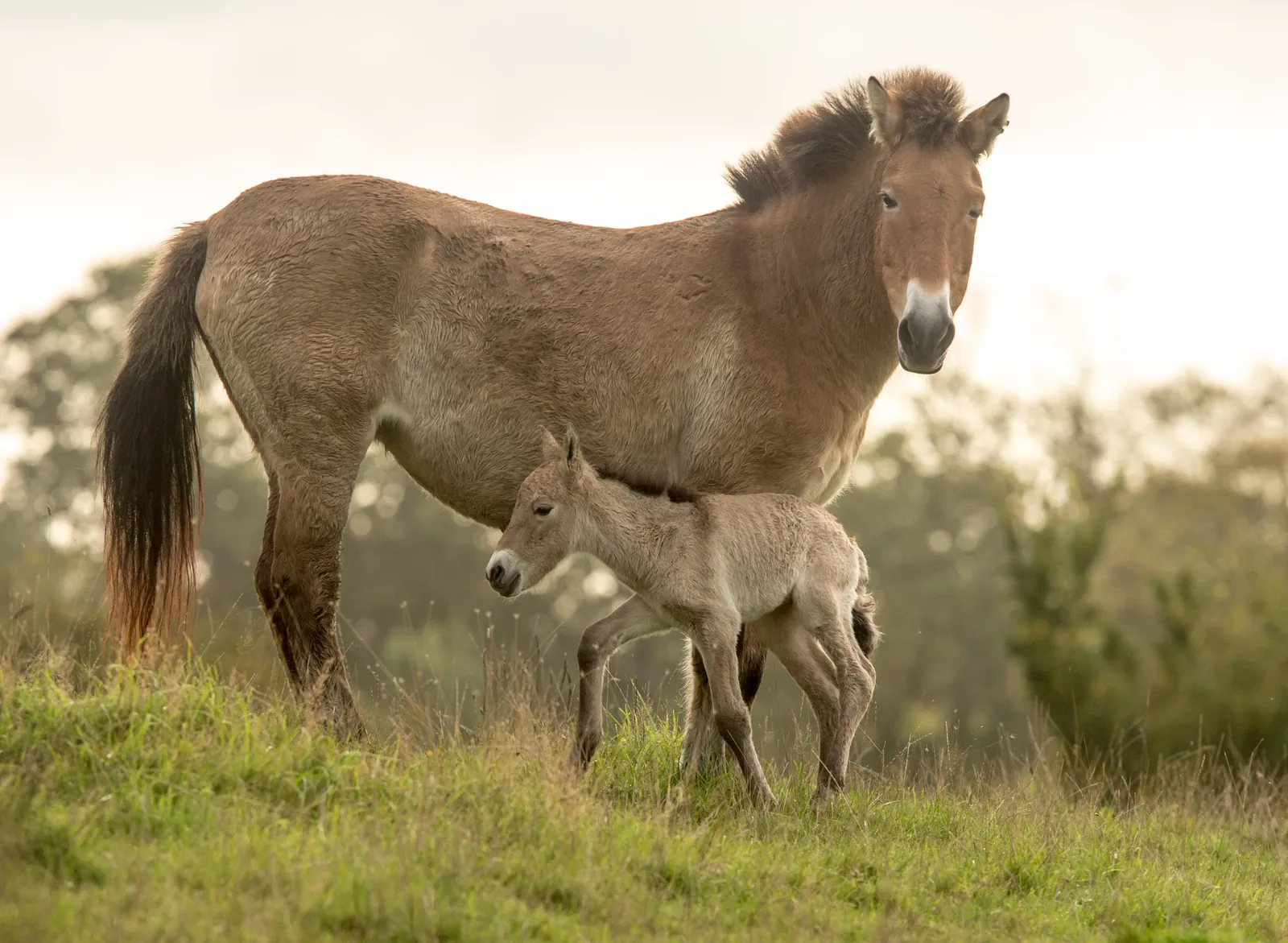
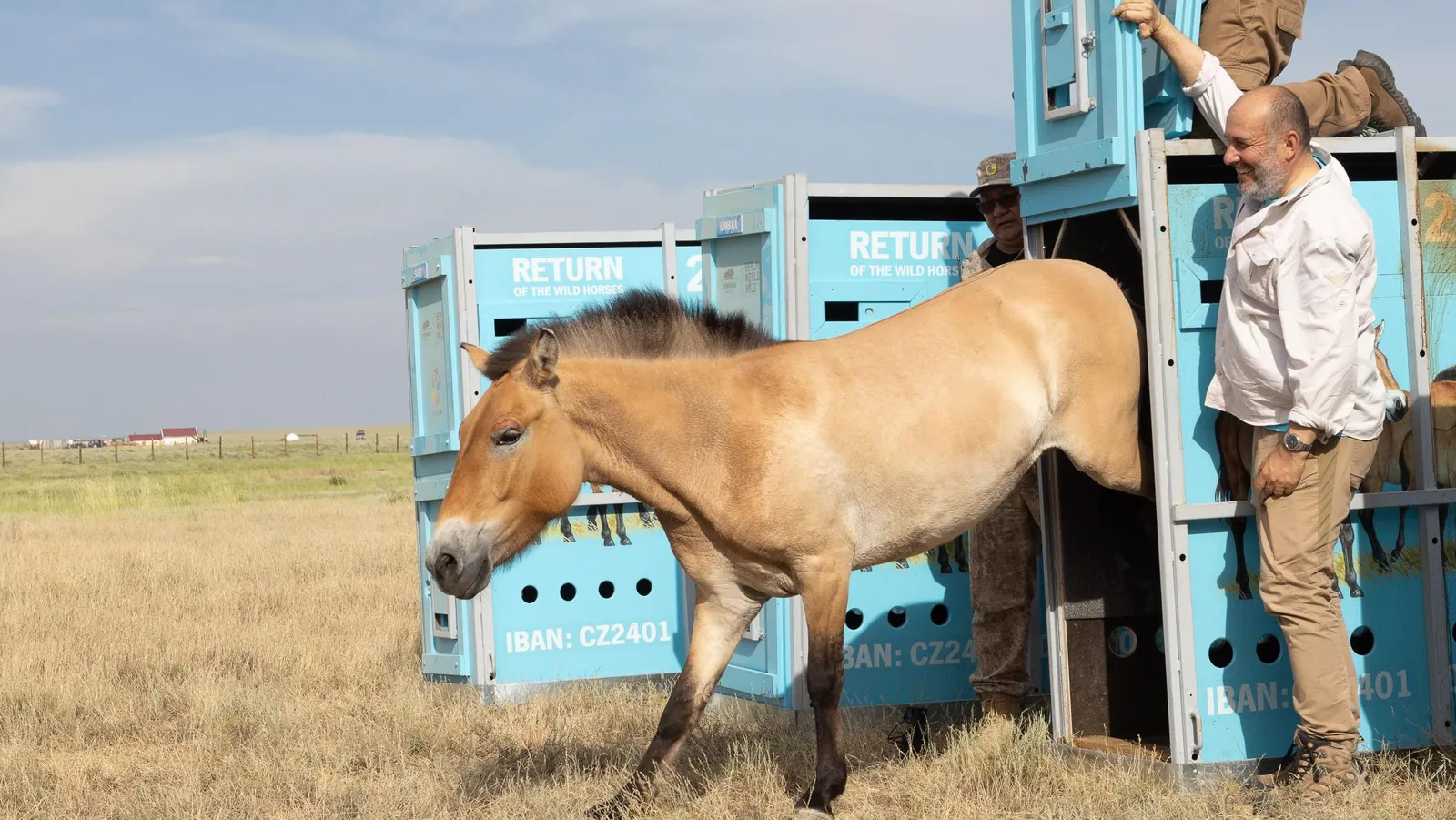
Przewalski's horse
Equus ferus przewalskii
The only truly wild horse surviving today, kept at the centre.
Conservation status: Endangered (IUCN)
Role in the ecosystem: A symbol of species rescued through breeding programmes.
Mammal
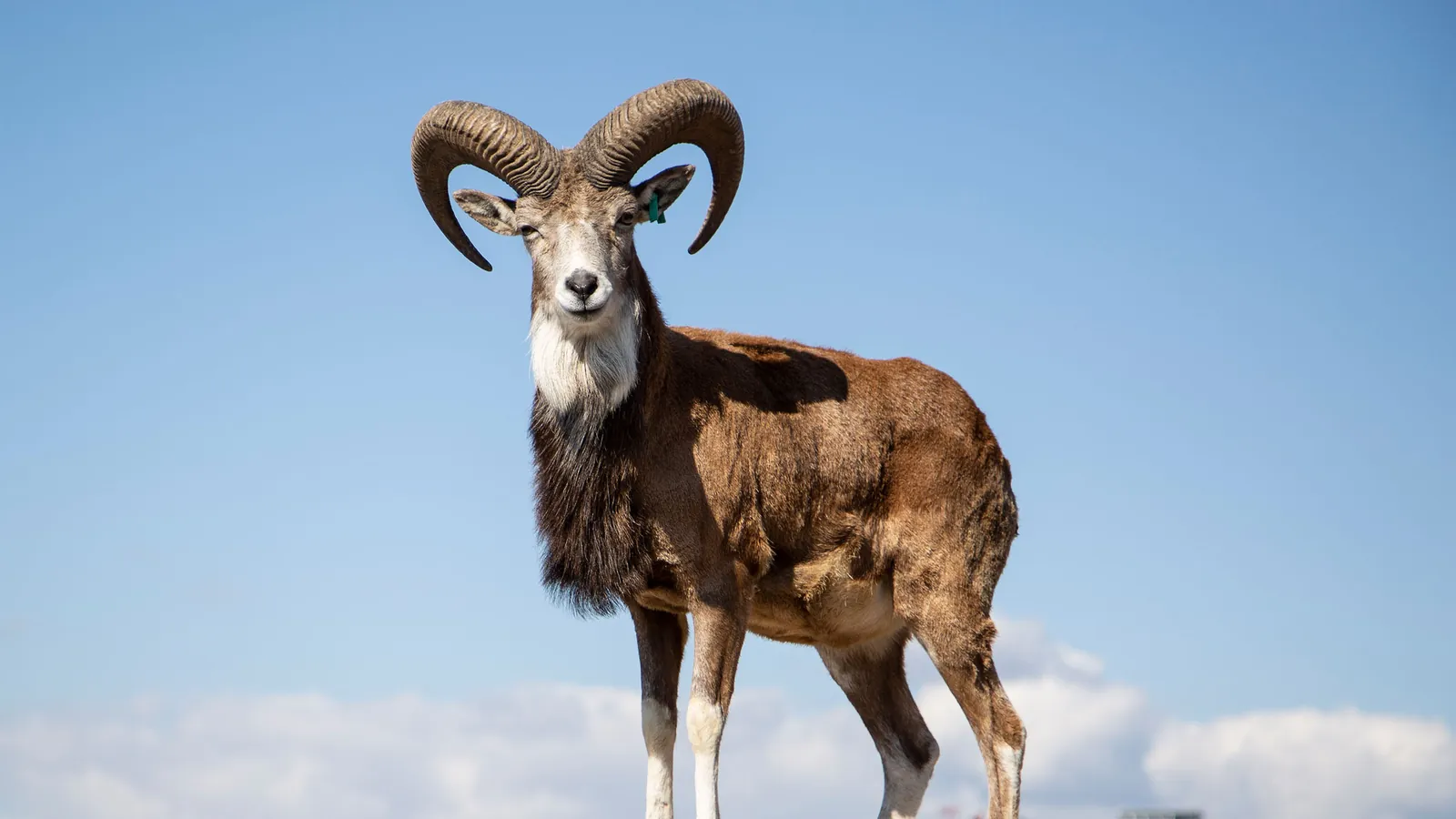
Bukhara urial
Ovis vignei bocharensis
Visitor sources also report this wild sheep among the centre's animals; confirm before your visit.
Role in the ecosystem: A mountain sheep of southern Uzbekistan.
Plants & vegetation
Desert plants here survive heat, drought and salty soils.
Desert shrubs
Drought-tolerant shrubs that shelter animals and stabilise sand.
Waterside vegetation
Reeds and plants around the lakes provide cover for birds.
Photography opportunities
Low desert light and large herds in open enclosures create strong opportunities for wildlife photography.
Gazelles in motion
Goitered gazelles running across the plain.
Wild horses
Przewalski's horses and kulans in family groups.
Birds at the lakes
Water and desert birds — a long lens helps.
Golden hour
Early morning and late afternoon give the softest light.
Birdwatching
The centre is an Important Bird Area with 257 recorded species, 63 of them breeding.
- Spring and autumn migration bring the greatest variety.
- Lakes and wetland patches are the most productive areas.
- 20 breeding species were listed in the Uzbekistan Red Data Book (1983).
Experiences
Wildlife & nature observation
Guided wildlife visit
Seeing the centre's breeding animals with staff or a guide.
Wildlife & nature observation
Birdwatching
Lakes and desert habitats with a long bird list.
Photography
Wildlife photography
Gazelles and horses in desert light; permission for photography should be confirmed.
Special experiences
Bukhara combination
Nature in the morning, the historic city in the afternoon.
All activities depend on season, access and the operator's confirmation.
Gallery
Did you know?
- Breeding began in 1977 with a small group of goitered gazelles.
- About 37% of all bird species recorded in Uzbekistan have been seen in the centre's Important Bird Area.
Plan your visit
Best time to visit
Spring and autumn are milder for visiting; operators suggest early morning or late afternoon for animal activity and light. One operator lists March–May and August–October, while others run visits all year.
Getting there
About 42 km south-east of Bukhara along the A-380 highway — roughly 40–45 minutes by road. Visits are usually combined with a stay in Bukhara.
Suggested experience
- 01Early departure from Bukhara.
- 02Guided visit to the breeding enclosures with the centre's transport.
- 03Birdwatching near the lakes.
- 04Return to Bukhara by midday.
A possible half-day visit, arranged on request. Entry, transport inside the centre and photography permission are confirmed in advance.
Practical information
Frequently asked questions
How to visit responsibly
Breeding centres like Jeyran help restore species that vanished from much of their range. Calm animals breed successfully.
- Stay in vehicles or permitted areas when staff ask.
- Keep noise down near enclosures.
- Never feed the animals.
- Ask before photographing staff or facilities.
Plan your visit
Tell us your preferred date and group size. We reply personally with available options and a personalised price.
Sources
Facts on this page come from the sources below. Figures may differ between sources and change over time.
More destinations
Back to Destinations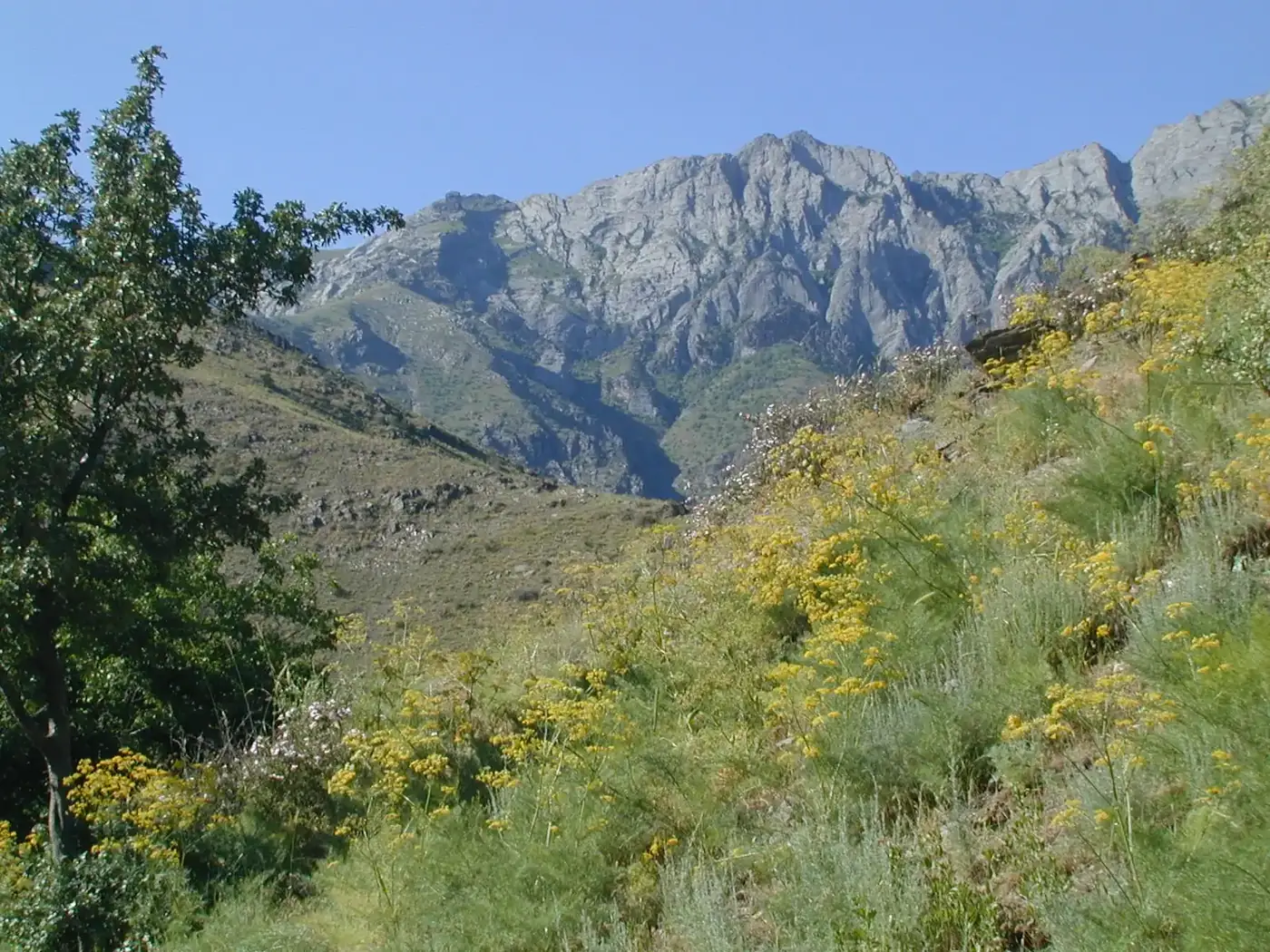 Destination
Jizzakh & Navoiy regions
Nurota Mountains
Our home landscape: mountain villages, Severtsov's argali and the shores of Aydarkul Lake.
Discover This Destination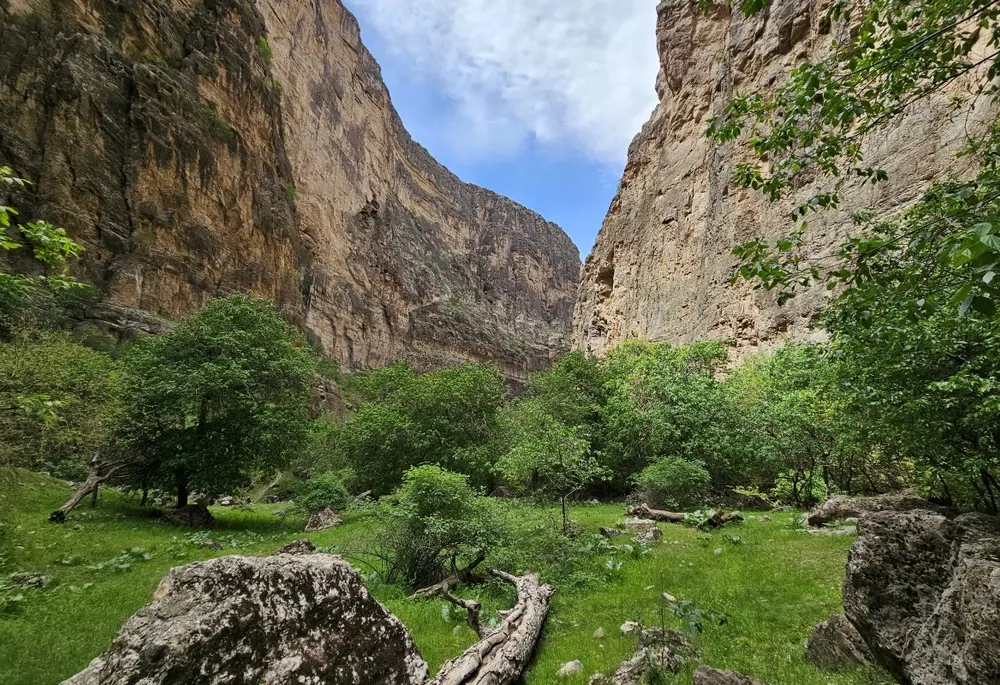 Destination
Surkhandarya Region
Sherabad & Kuhitang Mountains
Mountain wilderness, waterfalls and rare mountain wildlife in Uzbekistan's far south.
Discover This Destination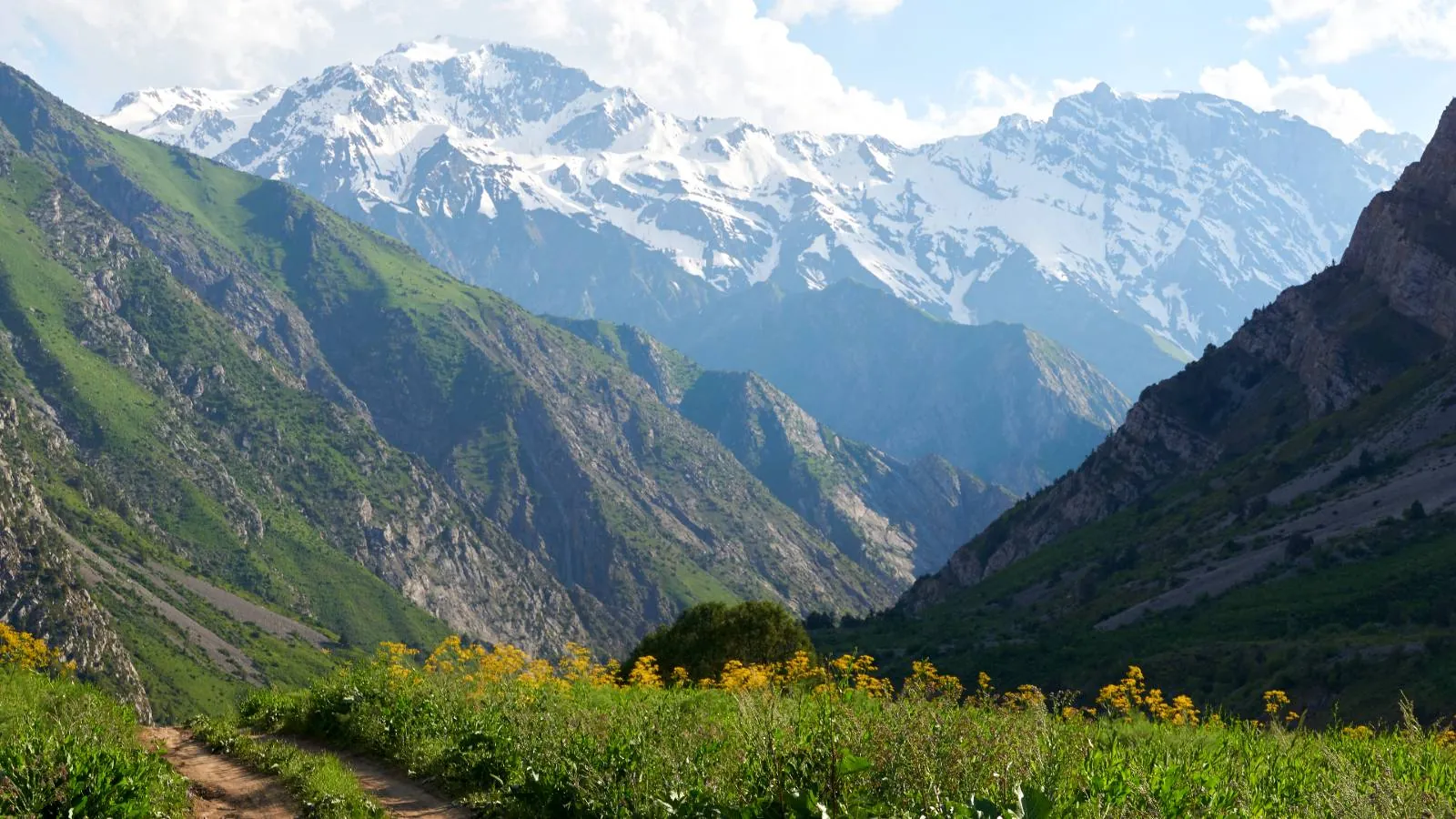 Destination
Tashkent Region
Chatkal State Biosphere Reserve
One of Uzbekistan's oldest reserves — juniper forests, alpine meadows and snow-leopard country.
Discover This Destination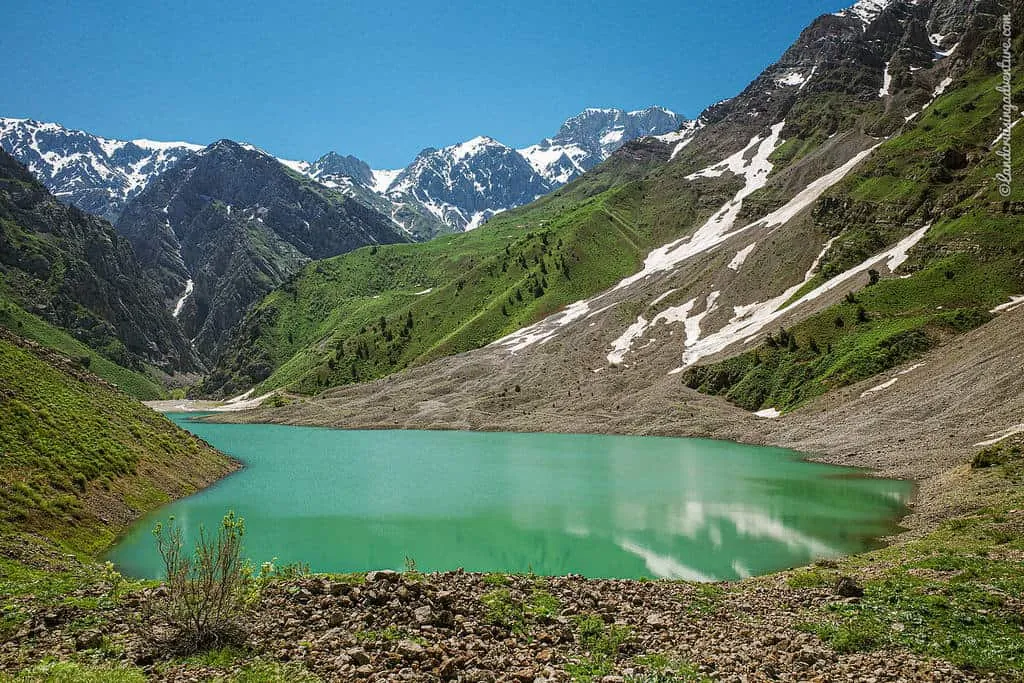 Destination
Tashkent Region
Ugam–Chatkal National Park
Uzbekistan's great mountain park: gorges, rivers, juniper slopes and alpine valleys near Tashkent.
Discover This Destination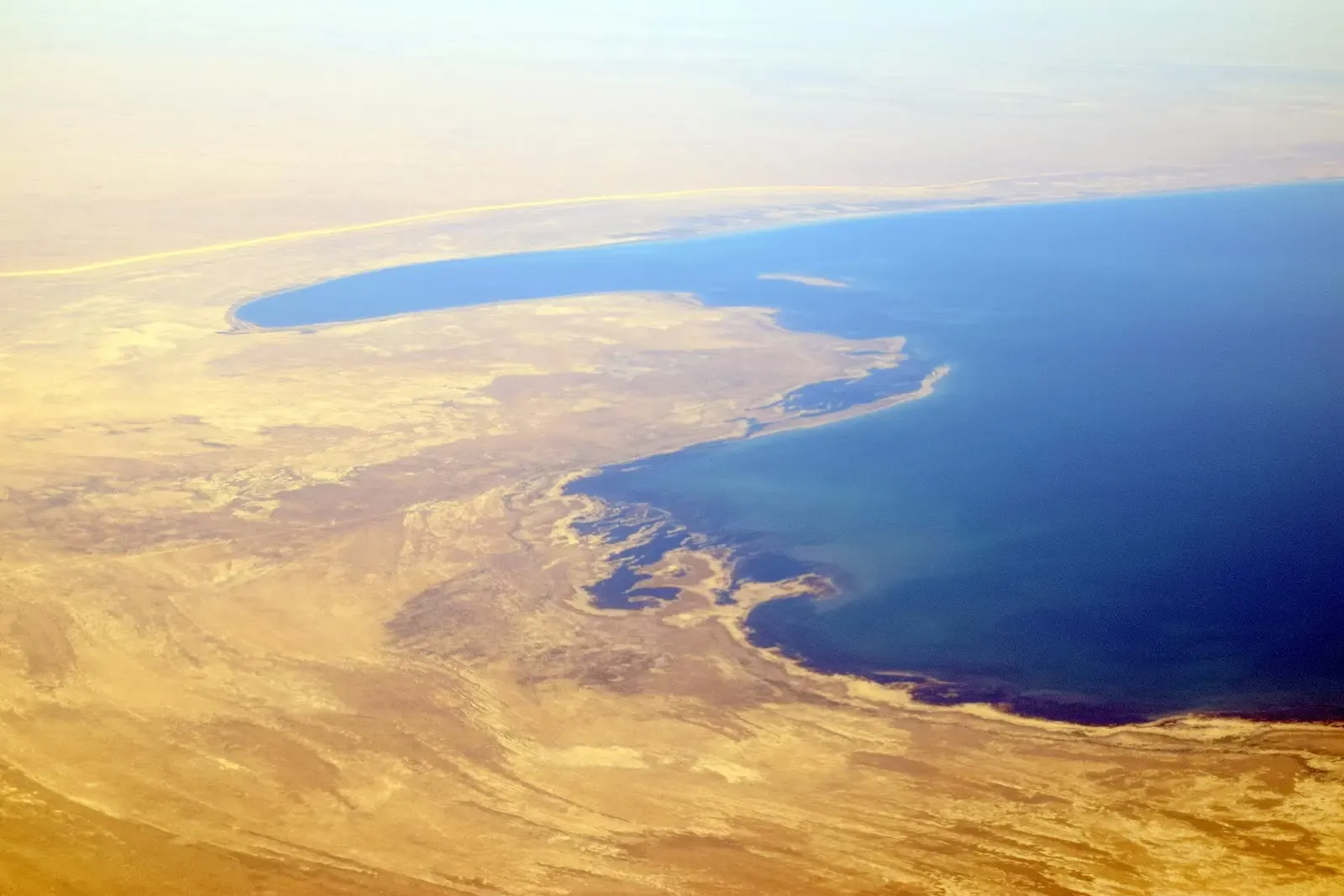 Destination
Republic of Karakalpakstan
Sarykamysh Lake
A vast lake in the desert, surrounded by cliffs and visited by tens of thousands of water birds.
Discover This Destination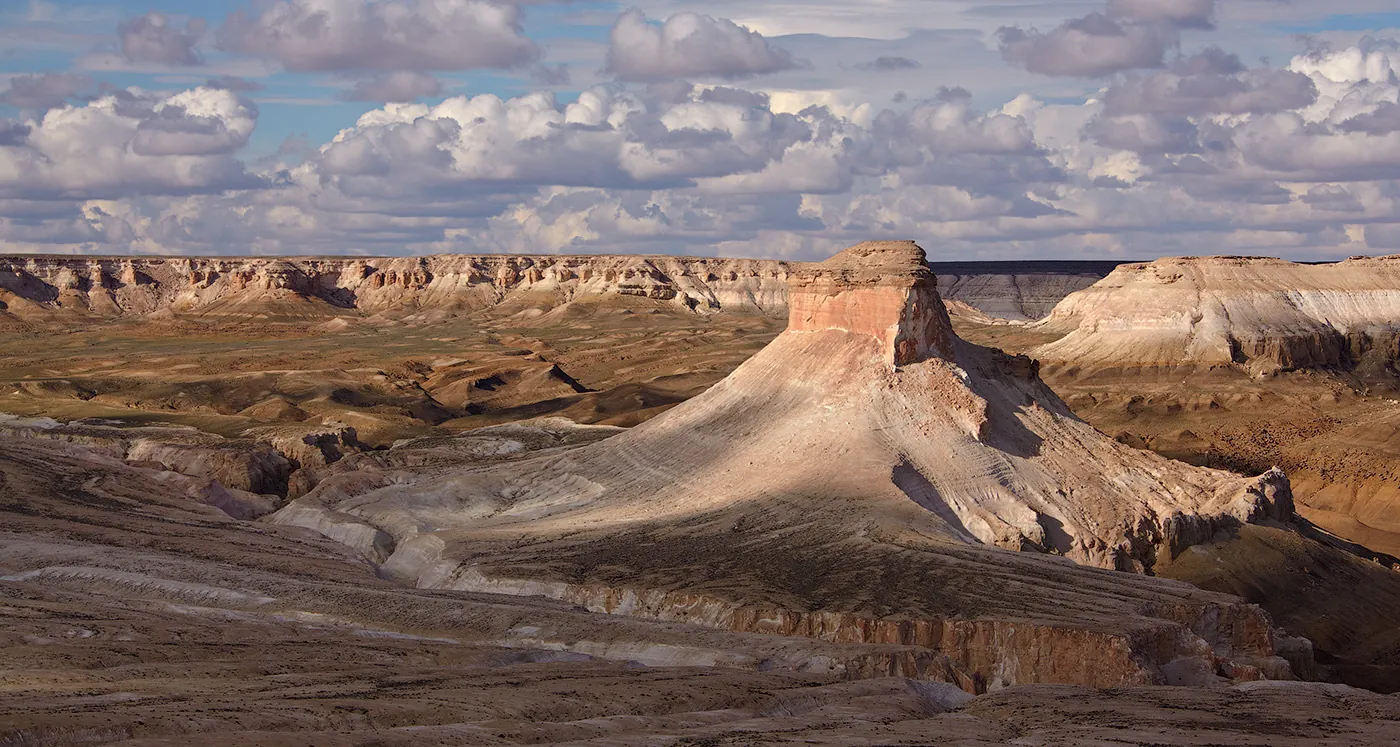 Destination
Republic of Karakalpakstan
Ustyurt Plateau & Cliffs
A remote desert plateau ending in vast cliffs — saiga, urial and expedition landscapes.
Discover This Destination