Sarykamysh Lake
Uzbekistan–Turkmenistan border — Southern Ustyurt
A vast lake in the desert, surrounded by cliffs and visited by tens of thousands of water birds.
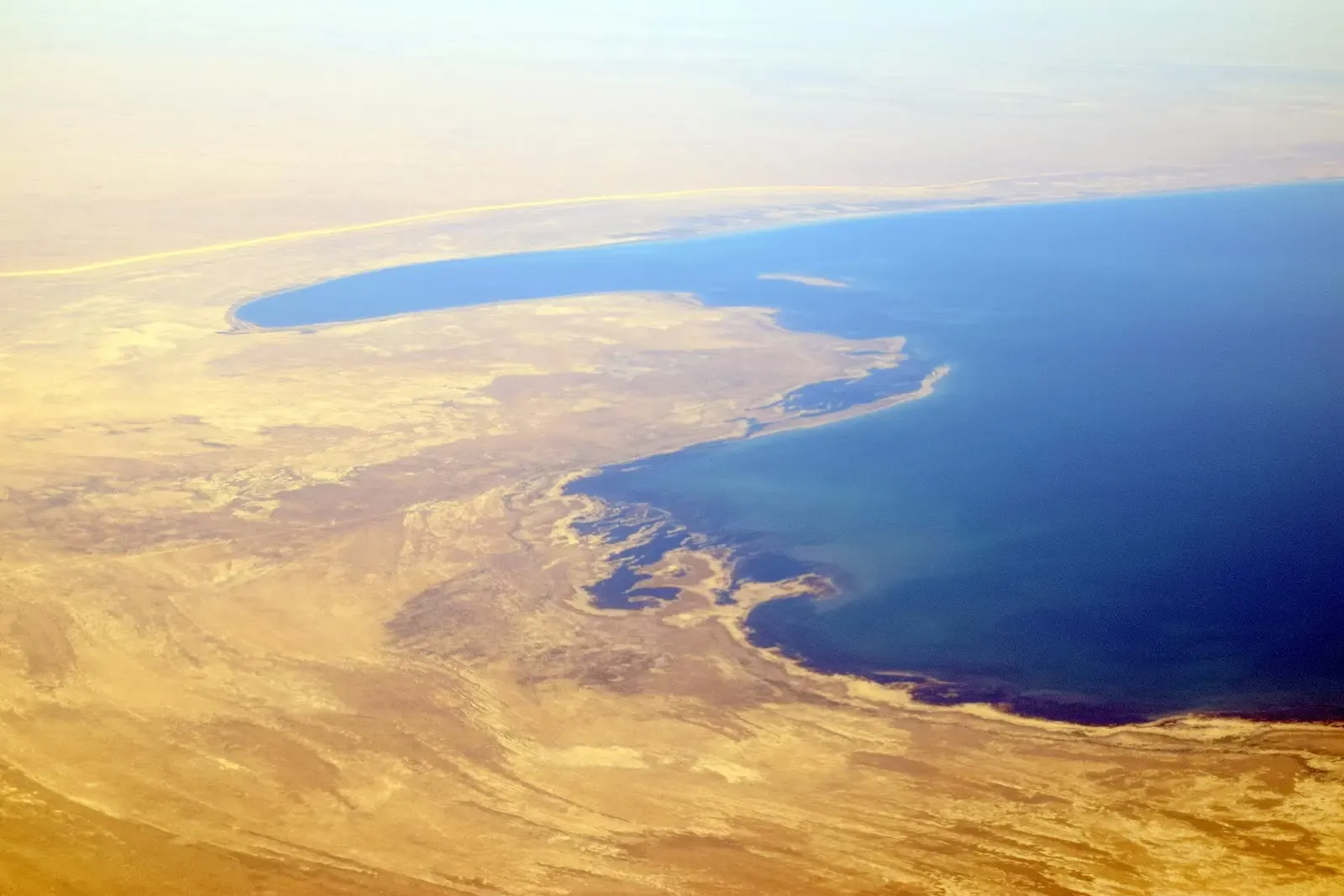
Sarykamysh Lake fills a deep natural depression on the border of Uzbekistan and Turkmenistan. Blue water, desert and the cliffs of the Ustyurt Plateau meet here in one of the most remote landscapes in Central Asia.
The lake has grown since the 1960s mainly from drainage water from irrigated lands. Today it is an important wetland: tens of thousands of water birds use it, and its Uzbek part lies within Southern Ustyurt National Nature Park.
0 km²
Approximate lake area (sources: 3,955–4,000 km²)
0 km²
Approximate northern part in Uzbekistan
0 + bird species
Recorded in the lake's birdlife
0 m
Approximate maximum depth
What makes it special
Water versus desert
A huge blue lake in an arid landscape — one of the most striking contrasts in the region.
Geography & landscape
Sarykamysh lies in a depression at the southern edge of the Ustyurt Plateau, on the border between Karakalpakstan (Uzbekistan) and Turkmenistan. The northern part of the lake is in Uzbekistan; the rest, about 3,000 km², is in Turkmenistan.
The lake has changed size over time: around 1,500 km² in 1977 and 3,200 km² in 1985, later reaching close to 4,000 km². Satellite images from 2018–2024 show it shrinking again, probably due to drought and lower inflow.
The lake area is not the area of the national park. Figures vary between sources and over time.
Landscape features
Sarykamysh depression
A deep natural basin filled by the lake.
Ustyurt cliffs
Steep escarpments around the depression, home to urials.
Surrounding desert
Stony and sandy semi-desert with sparse shrubs.
Protected areas
The Uzbek part of Sarykamysh is protected within Southern Ustyurt National Nature Park and is recognised as an Important Bird Area.
National nature park
Southern Ustyurt National Nature Park
- Area
- 1,447,143 ha ≈ 14,471 km²
- Established
- 11 November 2020
The park includes the Sarykamysh and Kurukkul lakes. About 149 animal species are recorded in the park, 36 of them in the Red Book of Uzbekistan.
Visitor access: Remote; visits must follow confirmed routes and access arrangements.
Important Bird Area (BirdLife International)
Sarykamysh Lake and surrounding Ustyurt Plateau (Important Bird Area)
- Area
- 95,974 ha ≈ 960 km²
A cross-border site; the Turkmen part of the lake is also designated as an Important Bird Area. Listed for Dalmatian pelican and ferruginous duck.
Visitor access: An international conservation designation, not a separate visitor area.
Wildlife
Species documented at Sarykamysh by BirdLife International and Uzbekistan's Ministry of Ecology. Bird numbers change with the seasons.
Species shown are documented in the area by official or scientific sources. Wild animals are shy and sightings are never guaranteed.
Bird
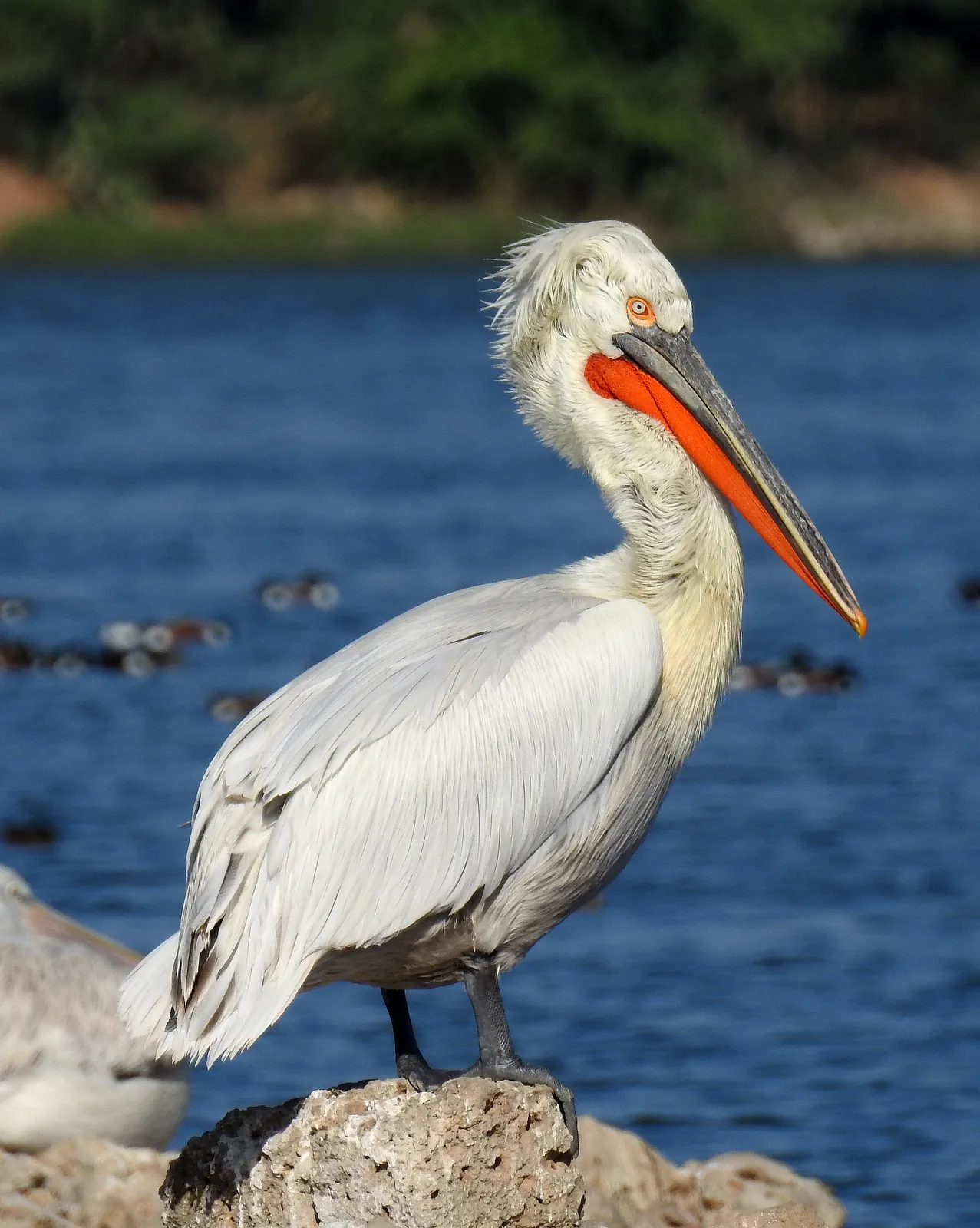
Dalmatian pelican
Pelecanus crispus
One of the largest freshwater birds, one of the species for which the lake is internationally recognised.
Role in the ecosystem: A fish-eating bird that depends on large, quiet wetlands.
Bird
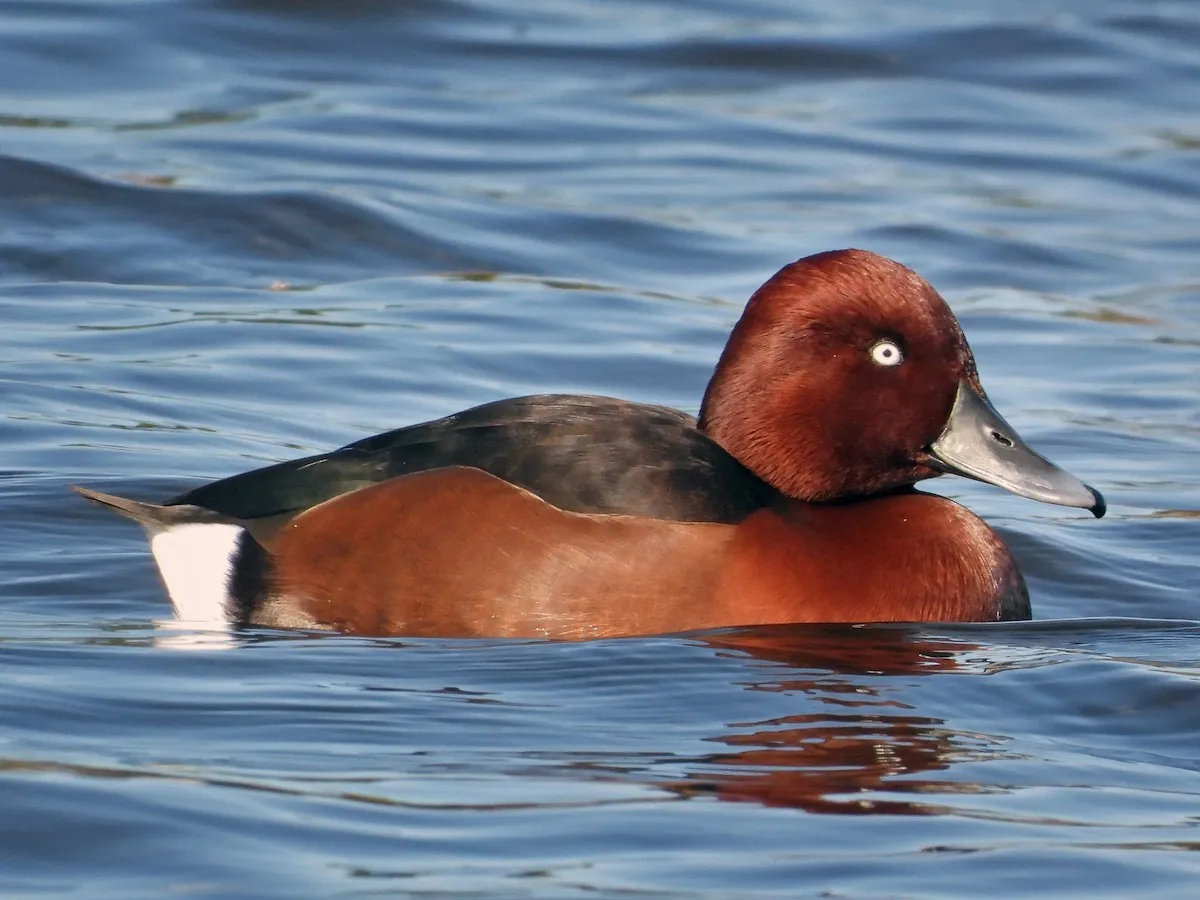
Ferruginous duck
Aythya nyroca
A diving duck listed among the lake's key species.
Role in the ecosystem: An indicator of healthy wetland vegetation.
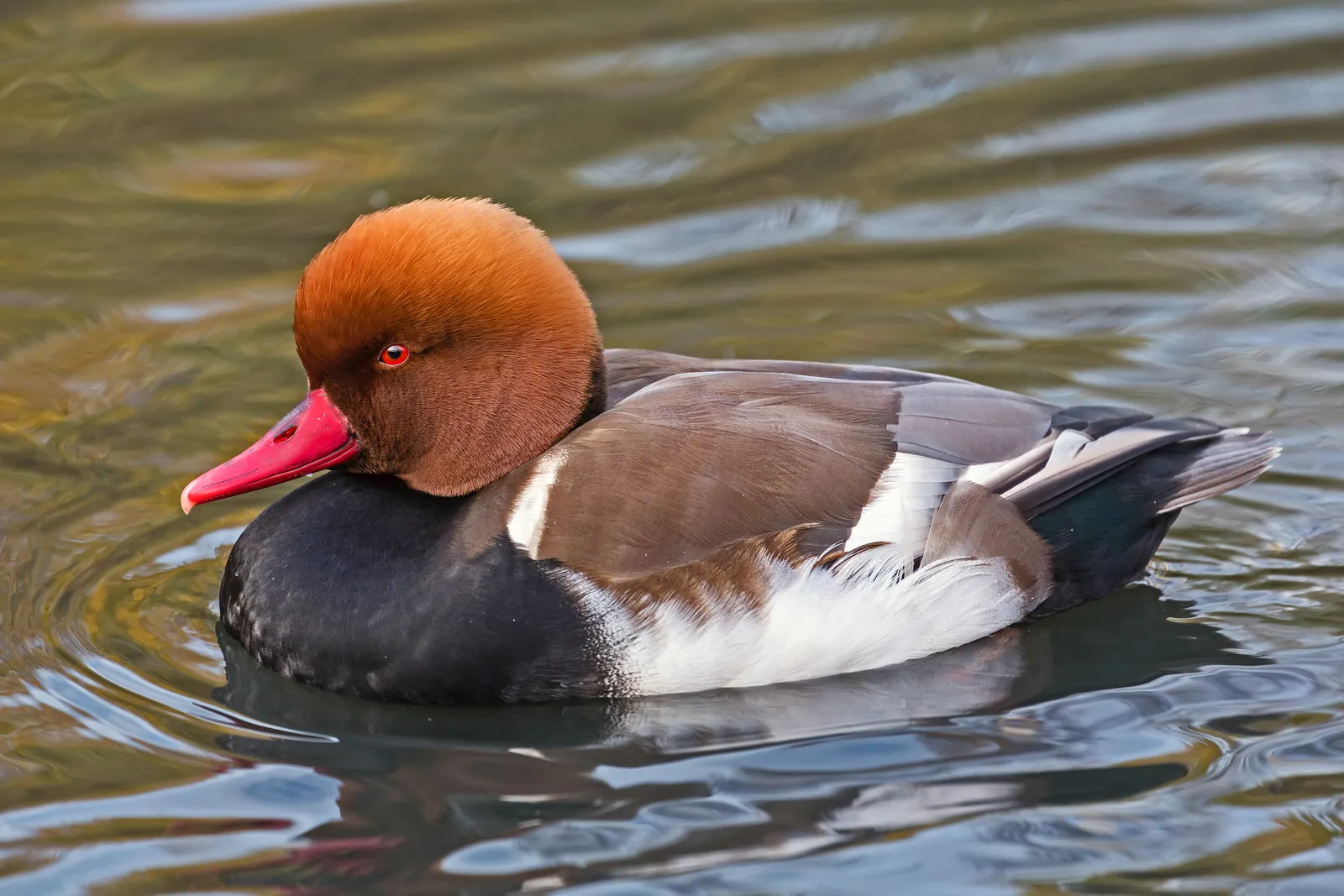
Bird
Red-crested pochard
Netta rufina
Recorded on the lake by the Ministry of Ecology.
Role in the ecosystem: Feeds on aquatic plants and is part of the wetland food web.
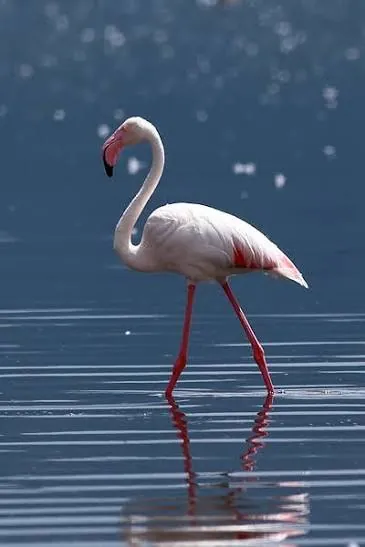
Bird
Greater flamingo
Phoenicopterus roseus
Flamingos visit the lake's shallow waters.
Role in the ecosystem: Filter-feeds on small organisms in saline shallows.
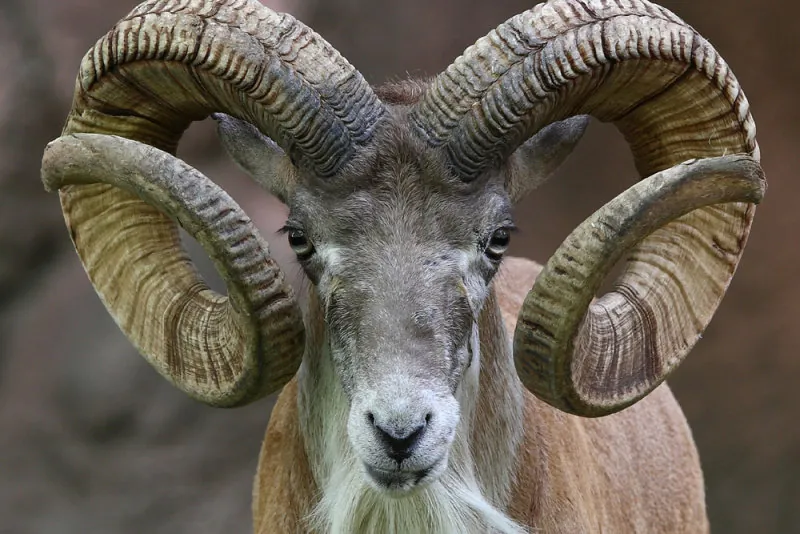
Mammal
Transcaspian urial
Ovis vignei arkal
Lives on the cliffs of the Sarykamysh depression.
Conservation status: Endangered in the Red Book of Uzbekistan
Role in the ecosystem: A rare wild sheep of the plateau.
Plants & vegetation
Vegetation is sparse but highly adapted, with salt-tolerant plants along the shore and desert shrubs inland.
Reeds and shoreline plants
Where the shore is shallow, reeds give shelter to nesting and resting birds.
Salt-tolerant shrubs
Plants of saline soils grow around the lake, where water salinity has been increasing.
Desert shrubs
Sparse, drought-adapted shrubs cover the plateau and surrounding semi-desert.
Photography opportunities
The contrast of blue water, pale desert and the Ustyurt cliffs is unique in Uzbekistan.
Lake and cliffs
Water meeting the eastern chinks of the Ustyurt.
Sunrise and sunset
Wide reflections and soft light over the lake.
Water birds
Pelicans, flamingos and ducks — from a respectful distance.
Birdwatching
Sarykamysh is an Important Bird Area regularly supporting more than 20,000 water birds.
- Dalmatian pelican and ferruginous duck are the species for which the site is recognised.
- Red-crested pochard, flamingos and cormorants are recorded.
- Migration seasons in spring and autumn are the most rewarding.
Experiences
Wildlife & nature observation
Birdwatching
Watching water birds from a respectful distance, especially during migration.
Photography
Landscape photography
The contrast of blue water, desert and cliffs.
Outdoor experiences
Remote exploration
Expedition-style journeys, only along routes the operator can arrange.
All activities depend on season, access and the operator's confirmation.
Gallery
Did you know?
- Sarykamysh is a transboundary lake: its northern part belongs to Uzbekistan and the larger southern part to Turkmenistan.
- Much of the lake's water comes from drainage of irrigated farmland via collector channels.
Plan your visit
Best time to visit
Spring and autumn — comfortable temperatures and bird migration.
Getting there
The Uzbek part lies in Kungrad district of Karakalpakstan. From Nukus to Kungrad is about 110 km by road; beyond, travel is off-road across the desert.
Suggested experience
- 01Preparation in Nukus or Kungrad.
- 02Off-road journey across the desert.
- 03Birdwatching and photography along permitted shores.
- 04Optional combination with the Ustyurt cliffs.
Requires operational confirmation: access, border-zone rules and camping are agreed in advance.
Practical information
Frequently asked questions
How to visit responsibly
Sarykamysh is a vital stopover and wintering site for water birds in a desert region. Changes in water level and rising salinity are its main threats.
- Keep well away from bird colonies and resting flocks.
- Do not use drones near birds without permission.
- Do not leave waste on the shore.
- Respect border and park rules at all times.
Plan your visit
Tell us your preferred date and group size. We reply personally with available options and a personalised price.
Sources
Facts on this page come from the sources below. Figures may differ between sources and change over time.
More destinations
Back to Destinations Destination
Jizzakh & Navoiy regions
Nurota Mountains
Our home landscape: mountain villages, Severtsov's argali and the shores of Aydarkul Lake.
Discover This Destination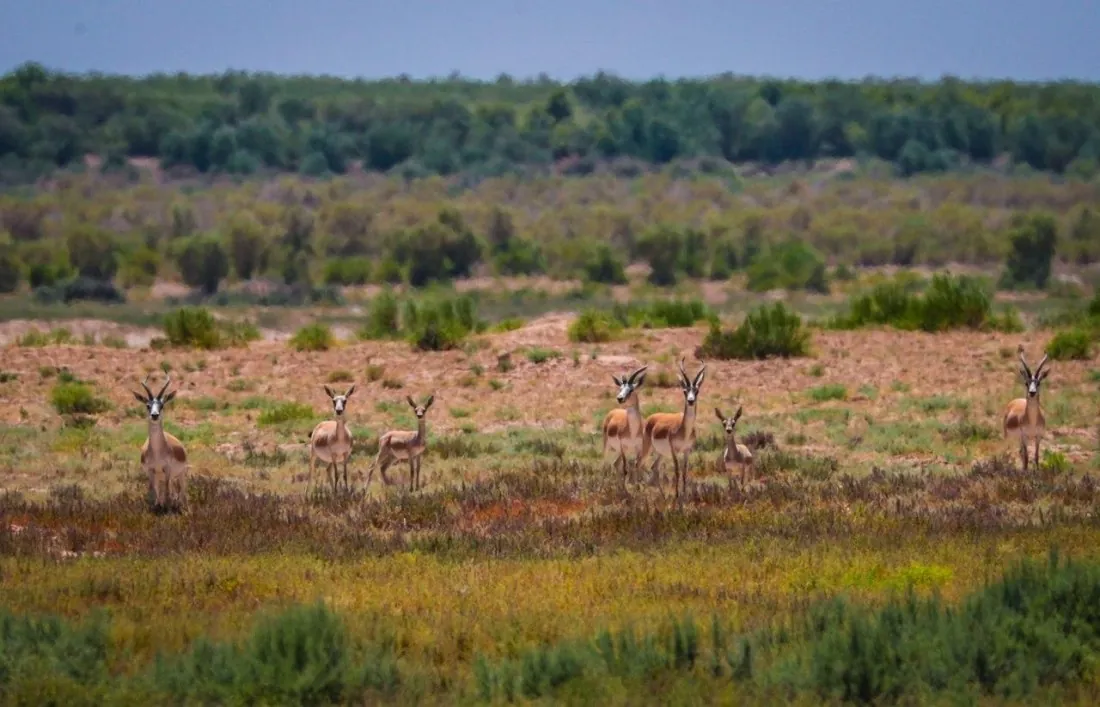 Destination
Bukhara Region
Jeyran Ecocentre
A conservation breeding centre for goitered gazelles, kulans and Przewalski's horses in the desert near Bukhara.
Discover This Destination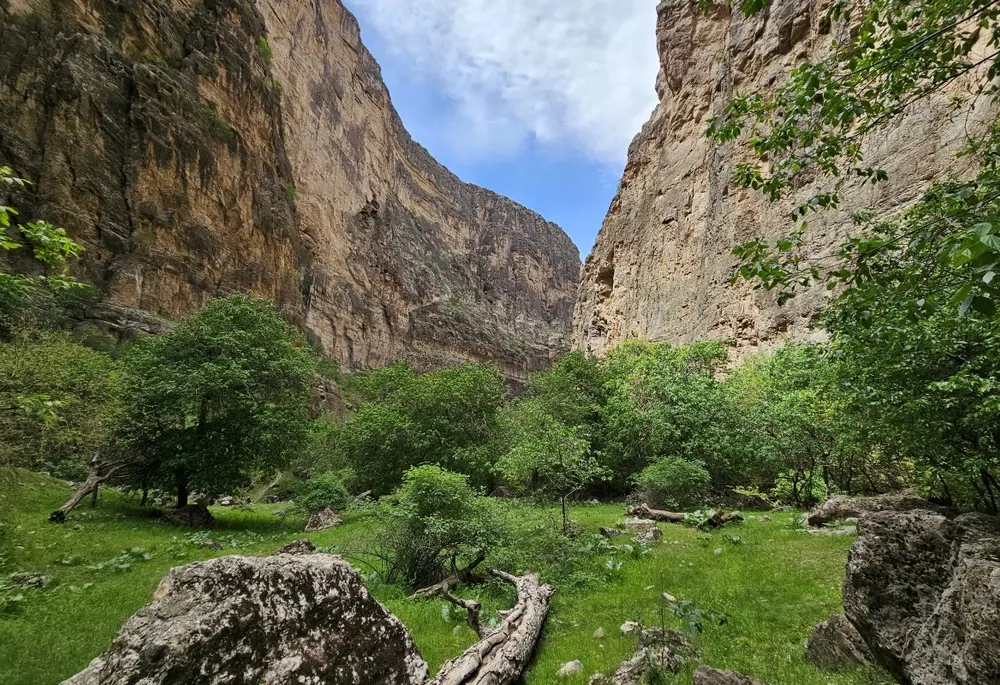 Destination
Surkhandarya Region
Sherabad & Kuhitang Mountains
Mountain wilderness, waterfalls and rare mountain wildlife in Uzbekistan's far south.
Discover This Destination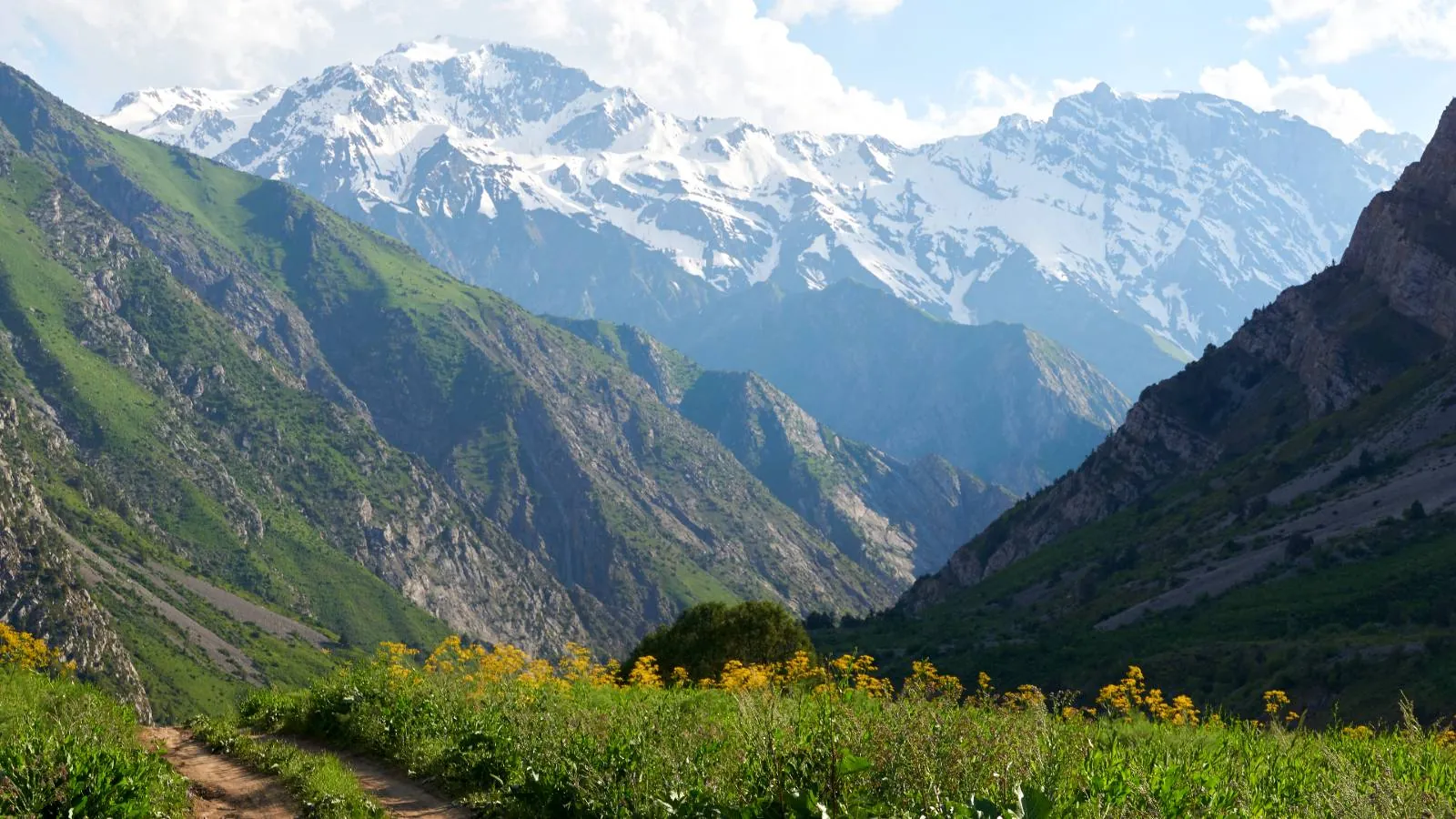 Destination
Tashkent Region
Chatkal State Biosphere Reserve
One of Uzbekistan's oldest reserves — juniper forests, alpine meadows and snow-leopard country.
Discover This Destination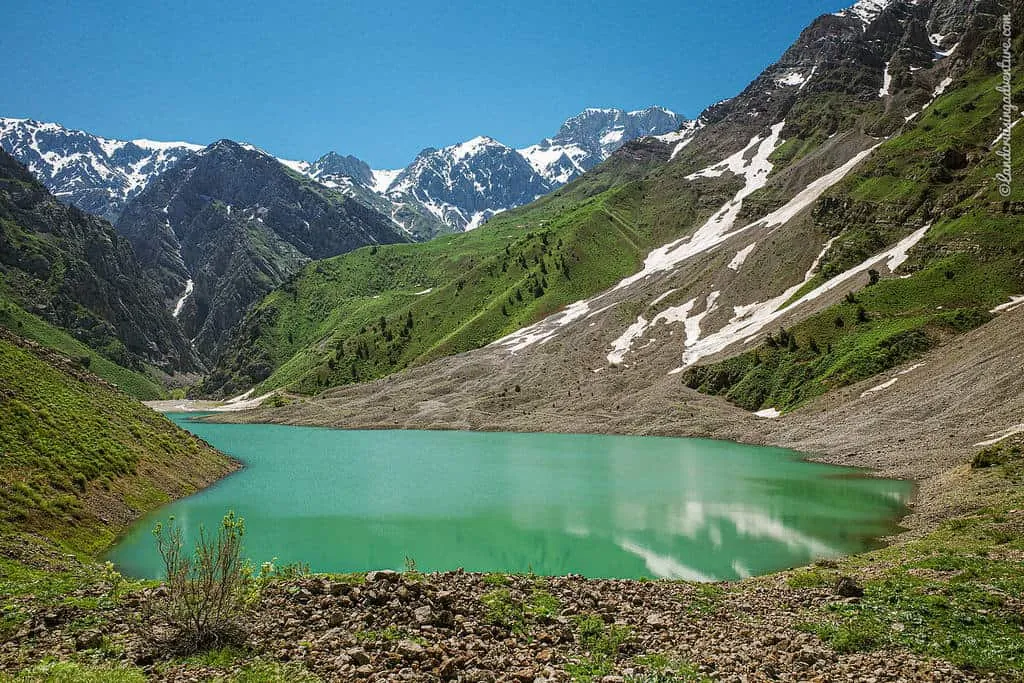 Destination
Tashkent Region
Ugam–Chatkal National Park
Uzbekistan's great mountain park: gorges, rivers, juniper slopes and alpine valleys near Tashkent.
Discover This Destination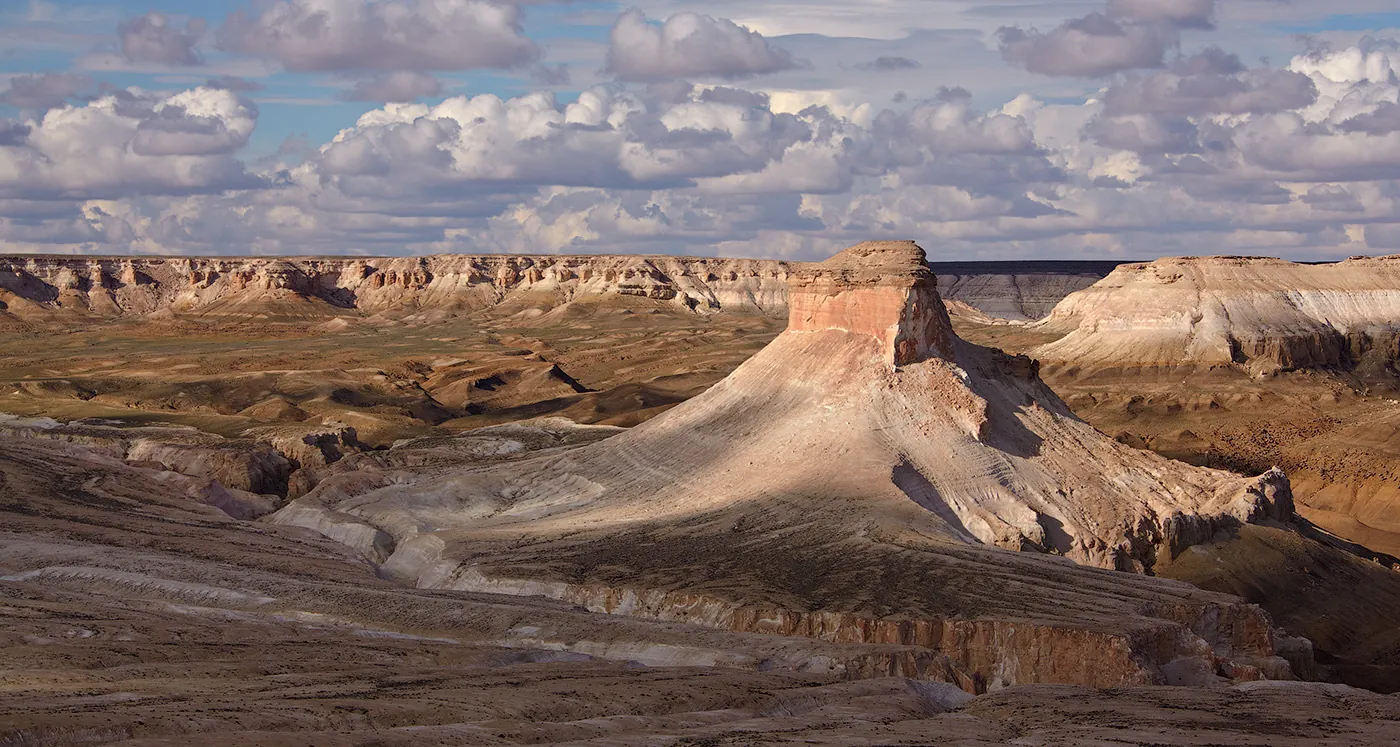 Destination
Republic of Karakalpakstan
Ustyurt Plateau & Cliffs
A remote desert plateau ending in vast cliffs — saiga, urial and expedition landscapes.
Discover This Destination